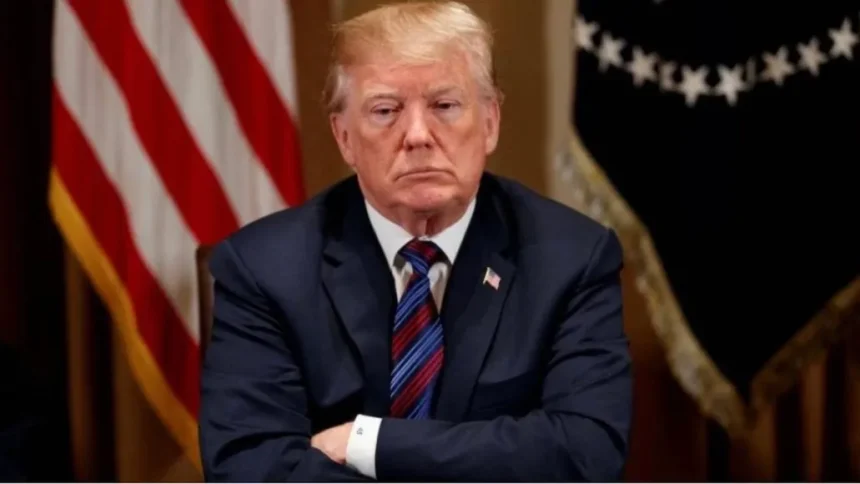
Donald Trump has criticised a ruling by the Supreme Court of the United States that struck down his sweeping tariff policy, calling the decision “deeply disappointing” while unveiling plans for a new 10% levy on global imports.
In a 6–3 decision, the court held that Trump exceeded his authority by imposing the tariffs under a statute intended for national emergencies.
The justices ruled that taxes on imports require approval from Congress, effectively invalidating the administration’s broad “Liberation Day” tariffs.
The ruling, however, applies only to the wide-ranging tariffs imposed under emergency powers and does not affect targeted tariffs previously placed on specific countries or product categories.
Responding to the judgment, Trump said he would explore options to reinstate tariffs, although he has yet to provide details on how the new measures would be structured.

The president has consistently argued that tariffs protect domestic industries and strengthen American manufacturing.
However, critics in the business community and political opposition maintain that the added costs are often transferred to consumers through higher prices.
Tariffs are taxes placed on imported goods, typically calculated as a percentage of a product’s value.
They are paid to the government by companies importing foreign products and are often used to protect local industries or influence trade policy.