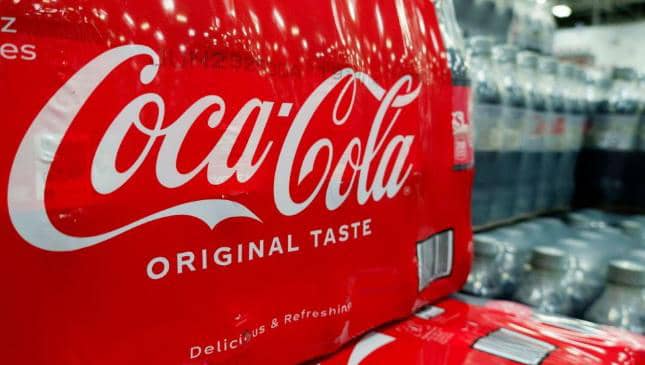
(DDM) – The United States President Donald Trump’s recent announcement that Coca-Cola will return to using real cane sugar in its U.S. made soft drinks has drawn global attention, especially among health-conscious consumers.
According to Diaspora digital media (DDM) reports, Trump made the statement via his Truth Social platform on Wednesday, July 16, revealing that he personally engaged Coca-Cola executives, who reportedly agreed to the change.
He described the decision as a “very good move,” adding, “You’ll see, it’s just better!”
Although Coca-Cola has yet to officially confirm the ingredient change, the company issued a brief statement thanking the president for his “enthusiasm” and hinted at “new innovative offerings” to be announced soon.
While Trump didn’t explain the motivation behind the change, many observers believe the influence of Health Secretary Robert F. Kennedy Jr. played a role.

Kennedy, a known critic of high-fructose corn syrup (HFCS), has repeatedly described it as “a formula for making you obese and diabetic.”
He has also pledged to hold food companies accountable for using ultra-processed ingredients.
HFCS has dominated soda production in the United States since the 1980s, largely due to U.S. corn subsidies and tariffs on imported sugar, which made it a cheaper alternative to cane sugar.
In contrast, countries like Mexico, and notably, Nigeria, have continued to use cane sugar in their Coca-Cola products, a version many consumers argue tastes better and is perceived as more “natural.”
What Does Coca-Cola Use in Nigeria?
In Nigeria, Coca-Cola is produced by the Nigerian Bottling Company (NBC), a franchise bottler of The Coca-Cola Company.
DDM investigations confirm that Coca-Cola products made in Nigeria do not use high-fructose corn syrup (HFCS).
Instead, they are sweetened with refined sugar derived from sugarcane, typically sourced locally from suppliers such as Dangote Sugar Refinery and BUA Sugar.
This means Nigerian consumers are already enjoying the version that many in the U.S. are now demanding, a version closer to Coca-Cola’s original formula.
Why Does This Matter to Nigerians?
This development carries significance for Nigeria for several reasons:
1. Nigerian Coke Is Already “Closer to the Original”
Nigerian Coca-Cola drinkers can take pride in the fact that they’ve been consuming a product more aligned with traditional Coca-Cola recipes, long before the U.S. decided to follow suit.
Many Nigerians who have tasted Coke abroad often note the difference in flavor, with the local version being widely preferred.
Trump’s push for a return to cane sugar in the U.S. reinforces that sentiment.
2. It Revives the Global Health Debate on Sweeteners
While the U.S. Food and Drug Administration (FDA) maintains there’s no scientific evidence that cane sugar is healthier than HFCS, the public perception differs.
Kennedy’s outspoken criticism of HFCS reflects growing global concerns about ultra-processed foods, obesity, and diet-related diseases.
This could prompt Nigerian regulators, producers, and health advocates to step up campaigns promoting natural ingredients and tighter food quality standards.
3. It Puts Nigeria Ahead in Ingredient Standards, For Once
In a rare twist, Nigeria is ahead of the U.S. in offering a more “natural” version of one of the world’s most popular soft drinks.
This presents an opportunity for local manufacturers to leverage this advantage, boost consumer confidence, and strengthen Nigeria’s position in global food production conversations.
The Bigger Picture
Coca-Cola remains one of the most widely consumed beverages in Nigeria, available everywhere from street vendors to formal events.
Beyond its taste, it plays a cultural role in everyday Nigerian life.
But with this global shift toward cleaner, more transparent food production, Nigerian consumers may begin asking more critical questions about what goes into their favorite drinks.
They may also demand that agencies like NAFDAC ensure full transparency and consistent health standards across all food and beverage products.
If the U.S. follows through with this ingredient change, it could signal a turning point in global food policy, one that favors more natural production methods and consumer empowerment.
Final Thoughts
This moment is more than just a headline, it is validation for Nigerian consumers and producers.
While America is catching up, Nigeria is already there.
Now is the time to double down on quality, education, and consumer protection in our food systems.
The global shift is coming, and Nigeria has a chance to lead, not follow.
👇👇👇
Follow DDM’s official WhatsApp Channel for real-time updates.
https://whatsapp.com/channel/0029Vajkwdc4dTnFHl19vW3g