
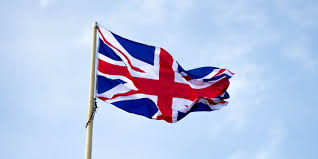
British Prime Minister Keir Starmer has sounded the alarm over the continued closure of the Strait of Hormuz, as President Donald Trump made good on his threats Monday morning announcing that the US military would begin blocking all ships entering or exiting Iranian ports at 10:00 A.M. Eastern Time.
“The United States to blockade ships entering or exiting Iranian Ports on April 13 at 10:00 A.M. ET. Thank you for your attention to this matter!” Trump posted on Monday.
Starmer, responding via X, warned that the standoff is already inflicting serious economic damage. The UK, he said, has quietly been building a coalition now numbering more than 40 countries determined to restore freedom of navigation through one of the world’s most critical shipping lanes.
“The ongoing closure of the Strait of Hormuz is deeply damaging. Getting global shipping moving is vital to ease cost of living pressures,” Starmer wrote.

“The UK has convened more than 40 nations who share our aim to restore freedom of navigation.
This week, the UK and France will co-host a summit to advance work on a coordinated, independent, multinational plan to safeguard international shipping when the conflict ends.”
The crisis has deepened despite a two-week ceasefire agreed between Iran and the United States just last week.
Movement through the strait has remained severely restricted, with Iran reportedly demanding up to $2 million per vessel for safe passage a condition Trump flatly rejected.
Diplomatic efforts have also hit a wall. Over the weekend, Vice President JD Vance met with Iranian officials in Pakistan, but the talks collapsed without agreement.
Trump blamed Iran’s refusal to abandon its nuclear ambitions, while Iranian Foreign Minister Abbas Araghchi pointed the finger back at Washington, accusing the US of constantly shifting its demands.
With negotiations stalled and the blockade now in effect, the pressure on global shipping and the broader world economy is mounting by the hour.