


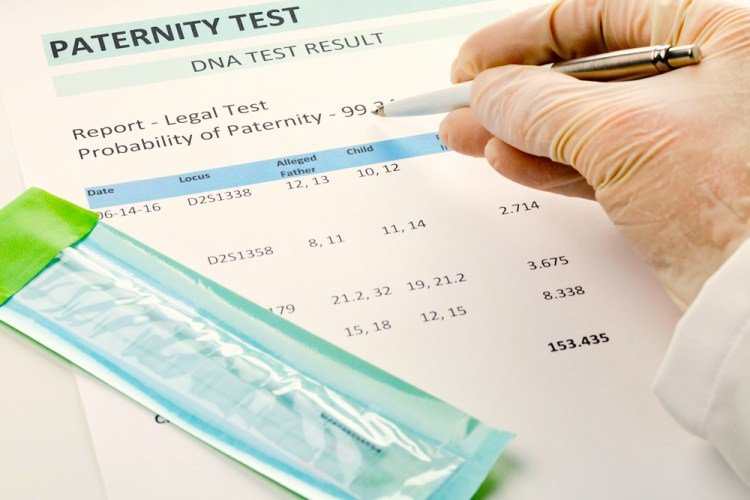
Paternity DNA testing has become increasingly common in Nigeria as more families seek scientific confirmation of biological relationships for personal, medical and legal reasons. Health and laboratory experts say the test is one of the most reliable methods of determining whether a man is the biological father of a child when performed by qualified professionals under appropriate laboratory standards.
What Is a Paternity DNA Test?
A paternity DNA test is a genetic analysis used to determine whether a man is the biological father of a child. Every individual inherits half of their DNA from their mother and the other half from their father. By comparing specific genetic markers from the alleged father and the child, laboratory scientists can determine whether a biological relationship exists.
How the Test Works

The testing process begins with the collection of DNA samples from the individuals involved. Scientists extract DNA from the samples and analyse multiple genetic markers using specialised laboratory techniques.
The child’s DNA profile is then compared with that of the alleged father. If the genetic markers match at the required level, the laboratory calculates the probability of paternity. If they do not match, the man is excluded as the biological father.
Why People Request Paternity Testing
Experts say people seek paternity testing for a variety of reasons, including:
– Resolving uncertainty about biological parentage.
– Establishing legal parental rights or responsibilities.
– Supporting child custody or child support cases.
– Resolving inheritance or family-related legal disputes.
– Meeting documentation requirements for immigration or other legal processes.
– Clarifying family medical history where genetic information is important.
Samples Used for DNA Testing
Several types of biological samples can be used for DNA analysis. The most commonly collected are:
– Cheek swabs: A soft swab is rubbed inside the cheek to collect cells. This is painless, quick and widely used.
– Blood samples: Blood may also be collected by a trained healthcare professional for DNA analysis.
In certain circumstances, laboratories may analyse other biological materials if appropriate and suitable for testing.
The Testing Process
A standard paternity DNA test generally involves the following steps:
1. Selecting an accredited laboratory or diagnostic centre.
2. Receiving information about the testing procedure and consent requirements.
3. Collecting DNA samples from the participants.
4. Laboratory analysis of the genetic material.
5. Issuance of the test report after the analysis is completed.
Laboratories may provide different collection options depending on the type of test being requested.
Consent and Documentation
Paternity DNA testing requires informed consent from participants. Where a child is under 18 years of age, consent is typically provided by a parent or legal guardian, in accordance with applicable laws and laboratory policies.
Participants may also be asked to provide identification documents and other information required to verify their identities.
How Accurate Are Paternity DNA Tests?
When performed in accredited laboratories using validated scientific methods, paternity DNA testing is considered highly accurate. Results that confirm biological fatherhood typically report a probability of paternity greater than 99.9 percent, while a man who is not the biological father is generally excluded with a probability approaching 100 percent.
Experts note that maintaining proper sample collection, handling and laboratory procedures is essential to ensure reliable results.
Can Samples Be Collected at Home?
Some laboratories allow DNA samples to be collected outside a medical facility using approved collection kits. However, the samples must still be analysed in a qualified laboratory before any result can be issued.
Individuals should note that home-collected samples may not be suitable for legal proceedings unless the collection process complies with the chain-of-custody requirements established by the relevant authorities.
How Long Do Results Take?
The time required to process a paternity DNA test varies depending on the laboratory and the type of analysis requested. Many accredited laboratories issue results within several days after receiving suitable samples.
Understanding the Results
A paternity DNA report generally provides one of three outcomes:
– Paternity included: The genetic evidence strongly supports that the tested man is the biological father.
– Paternity excluded: The genetic findings show that the tested man is not the biological father.
– Inconclusive result: In rare situations, additional testing may be required if the available sample is insufficient or the laboratory cannot reach a definitive conclusion.
Health experts advise individuals seeking paternity testing to use accredited laboratories that follow recognised quality standards and to seek appropriate legal advice if the results will be used in court or other official proceedings.




