


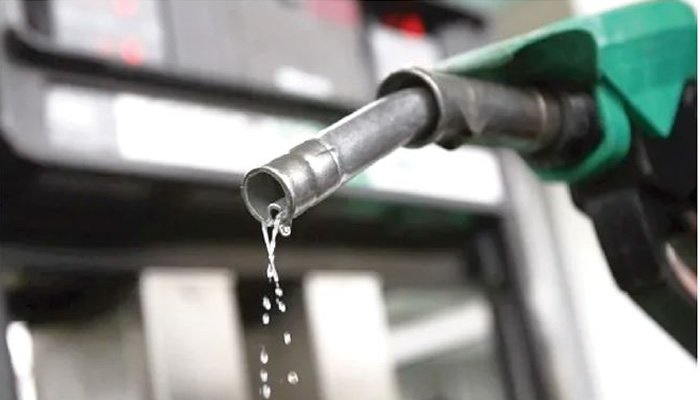
Nigeria’s downstream petroleum sector has received another major boost following a fresh reduction in the ex-depot price of Premium Motor Spirit (PMS), popularly known as petrol, by the Dangote Petroleum Refinery. The refinery has reduced its ex-depot price from ₦1,125 per litre to ₦1,075 per litre, a move widely expected to trigger another round of price adjustments across the country’s fuel distribution chain and ultimately provide relief to millions of motorists and businesses.
The latest decision represents one of the refinery’s most significant pricing adjustments in recent months and further reinforces its growing influence within Nigeria’s deregulated petroleum market. Industry observers believe the reduction could reshape pricing dynamics among fuel importers, depot owners, marketers, and retailers, while strengthening competition throughout the downstream sector.
In addition to reducing its ex-depot price, the Dangote Petroleum Refinery has also announced that its coastal loading price has been aligned at ₦1,075 per litre, ensuring uniformity in pricing for marketers obtaining supplies through both inland and coastal distribution channels.
Perhaps even more significant than the price reduction itself is the refinery’s decision to suspend its existing consortium marketing arrangement, thereby opening petrol loading at its gantry to all qualified petroleum marketers across the country. This policy shift is expected to expand market access, eliminate previous supply restrictions, and encourage wider participation in the distribution of locally refined petroleum products.

DDM News gathered that before this latest development, the refinery supplied petrol through a consortium of selected marketing companies, including NIPCO Plc/11 Plc, MRS, TotalEnergies, Conoil, AA Rano, AYM Shafa, Rainoil/Eterna, Ardova Plc, NNPC Retail, alongside other participating marketers. The consortium arrangement had played an important role in the initial rollout of products from the refinery following the commencement of domestic fuel supply.
However, with the suspension of that arrangement, all marketers that meet the refinery’s operational and commercial requirements will now have direct access to load petroleum products from its facilities. Industry stakeholders believe this move will democratize access to refined fuel supplies and significantly improve competition within Nigeria’s downstream petroleum market.

According to industry sources familiar with the development, the refinery’s latest pricing strategy is primarily aimed at ensuring that locally refined petrol remains more competitive than imported fuel. With fluctuations in international crude oil prices and the evolving dynamics of Nigeria’s deregulated fuel market, making domestically refined products more attractive has become a strategic priority for both producers and policymakers.
By lowering its ex-depot price, Dangote Refinery is expected to place considerable pressure on importers who continue to bring refined petroleum products into the country. Imported fuel now faces stiffer competition from locally refined alternatives, which benefit from reduced shipping costs, shorter supply chains, and improved operational efficiency.
Industry analysts believe that many private depot owners and fuel importers may have little choice but to review their pricing structures downward in order to remain competitive in an increasingly price-sensitive market. Failure to do so could result in marketers shifting their patronage toward the Dangote Refinery, whose pricing decisions are gradually becoming the benchmark for the industry.
The development comes against the backdrop of declining global crude oil prices, which have contributed to lower refining costs and improved pricing opportunities within international petroleum markets. As crude prices soften, industry stakeholders have consistently argued that domestic fuel prices should respond accordingly, particularly under Nigeria’s current deregulated pricing regime.
DDM News understands that both the Federal Government and the Nigerian Midstream and Downstream Petroleum Regulatory Authority (NMDPRA) have repeatedly emphasized that petroleum product prices should reflect prevailing international market conditions. Since the removal of fuel subsidies and the adoption of market-driven pricing mechanisms, regulators have maintained that competition should naturally lead to periodic adjustments based on prevailing economic realities.
The latest price reduction therefore appears consistent with those policy objectives, as refiners and marketers increasingly adjust prices in response to movements in crude oil prices, exchange rates, transportation costs, and broader market forces.
Industry stakeholders have welcomed the development, noting that greater competition among suppliers could eventually translate into lower pump prices for consumers if marketers fully pass on the savings to motorists. Although ex-depot prices represent wholesale rates rather than retail prices at filling stations, reductions at this level often create opportunities for retailers to lower pump prices over time.
Analysts also believe the decision to open product loading to all qualified marketers will improve nationwide product availability. By allowing a larger number of marketers to access refined products directly from the refinery, fuel distribution is expected to become more efficient, reducing regional supply imbalances and minimizing the risk of localized shortages.
Improved access to locally refined petrol may also help reduce logistics bottlenecks that have historically affected fuel distribution across Nigeria. With more marketers able to source products directly from the refinery, consumers in different parts of the country could benefit from more stable supplies and increased competition among retail outlets.
For businesses, transport operators, manufacturers, and households, any sustained reduction in petrol prices could provide much-needed relief at a time when high energy costs continue to affect production expenses, transportation fares, and the prices of goods and services. Petrol remains one of the most important commodities in Nigeria’s economy, powering millions of vehicles, generators, and commercial operations on a daily basis.
Economic experts have consistently argued that lower fuel prices can have positive ripple effects across multiple sectors by reducing operating costs, easing inflationary pressures, and improving disposable incomes for consumers. However, they also caution that the extent of these benefits will depend largely on whether marketers transmit wholesale price reductions to retail consumers without significant delays.
The latest adjustment further highlights the increasingly dominant role of the Dangote Petroleum Refinery within Nigeria’s downstream petroleum industry. Since commencing domestic fuel supply, the refinery has emerged as a major player whose pricing decisions now influence broader market trends. Each adjustment announced by the refinery is closely monitored by marketers, depot operators, transport companies, regulators, and consumers alike.
As Nigeria continues to deepen reforms within its petroleum sector, industry participants expect competition among refiners, importers, and marketers to intensify further. The combination of increased domestic refining capacity, deregulated pricing, and expanded market access is gradually transforming the country’s fuel distribution landscape.
Whether the latest reduction will result in immediate nationwide decreases in pump prices remains to be seen. Nevertheless, stakeholders agree that Dangote Refinery’s decision to lower its ex-depot price to ₦1,075 per litre and open fuel sales to all qualified marketers marks another significant milestone in Nigeria’s evolving downstream petroleum market, one that could reshape pricing competition, improve product availability, and ultimately deliver greater value to consumers across the country.




