


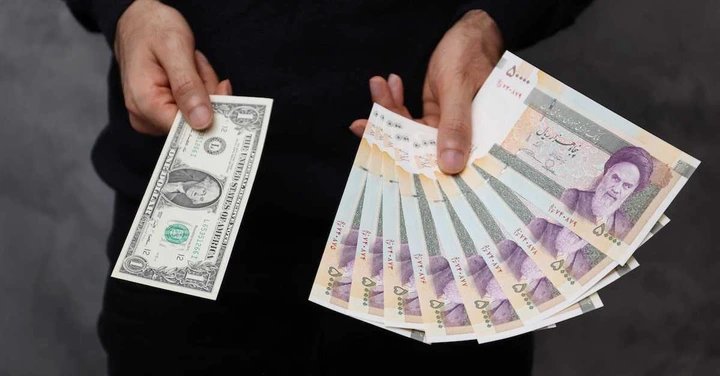
TEHRAN, IRAN — The Iranian rial has fallen to a record low against the US dollar. The decline adds to economic pressures facing Tehran. High inflation, US sanctions, and regional conflict weigh on the economy.
According to Anadolu Agency, the dollar climbed above 2.4 million rials on Monday, September 28. This marks a new historic low for the Iranian currency. Other market trackers put the rate around 2.35 to 2.41 million rials per dollar.
Sharp Depreciation
The latest decline represents another significant deterioration for the rial. In August, the currency crossed the 2 million-rial threshold for the first time. It had already lost substantial value amid economic and geopolitical pressures.

Inflation and Sanctions
The weakening currency comes as Iran contends with severe inflation. Recent reports put the country’s annual inflation rate at 61.4 percent. Official figures showed food prices rising by 128.1 percent year-on-year.
The economic pressure has also been compounded by US sanctions. Washington described the campaign as “Operation Economic Outcast.” The measures aim to increase financial pressure on Tehran. They also restrict Iran’s ability to participate in international trade.
Rising Cost of Living
The currency crisis has translated into sharp increases in the cost of everyday necessities. An August report by Al Jazeera found that prices for several basic commodities had risen substantially.
The report showed increases of 71 percent for tomatoes, 74 percent for chicken, and 177 percent for cooking oil. The price of insulin reportedly increased by 642 percent. Paracetamol and baby formula also recorded substantial increases.
Impact on Households
The falling rial means salaries and savings lose purchasing power. Prices rise faster than incomes. Iranian households have been forced to reduce spending on non-essential items. Some families have cut back on food and healthcare expenses.
Speed of Deterioration
The latest exchange-rate figures underline the speed of the deterioration. One market tracker recorded the dollar at 2.346 million rials at Monday’s close. This compares with about 2.027 million rials at the end of August. This represents a substantial increase in the rials required to purchase one dollar.
Background
Iran’s economic difficulties predate the current conflict. Years of international sanctions have aggravated the situation. The war that began on February 28 has added further strain. Al Jazeera reported that the conflict and restrictions around Iranian ports have compounded existing problems.
Outlook
The latest currency collapse comes at a particularly difficult moment for Tehran. The government faces pressure from international sanctions and domestic inflation. Iranian officials have continued to defend the country’s economy. Diplomatic efforts over the conflict and sanctions remain ongoing.




