


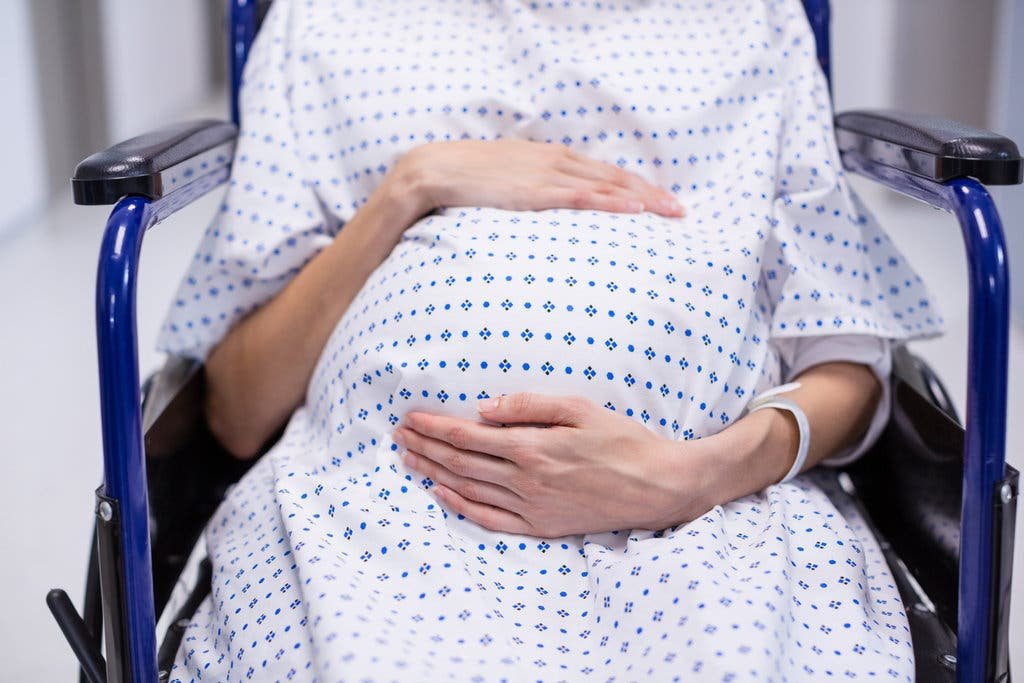
Health experts are calling for improved access to essential medicines used to treat postpartum hemorrhage (PPH), warning that shortages and weak supply systems continue to contribute to preventable maternal deaths, particularly in low- and middle-income countries.
Postpartum hemorrhage, defined as severe bleeding after childbirth, remains the leading cause of maternal mortality worldwide. Medical professionals say the condition can become life-threatening within minutes if not treated promptly, but many deaths can be prevented through timely diagnosis and appropriate medical care.
According to the World Health Organization (WHO), women should receive uterotonic medicines immediately after delivery to help the uterus contract and reduce the risk of excessive bleeding. Among these medicines, oxytocin is widely regarded as the first-line treatment for the prevention and management of postpartum hemorrhage.
However, health specialists note that oxytocin requires continuous cold-chain storage to maintain its effectiveness. In many rural and underserved communities where reliable electricity and refrigeration are unavailable, maintaining the required storage conditions remains a significant challenge.

As a result, experts say misoprostol has become an important alternative in resource-limited settings. Unlike oxytocin, the medicine is heat-stable and can be stored without refrigeration, making it more suitable for healthcare facilities with limited infrastructure.
Maternal health specialists say the availability of misoprostol has expanded access to life-saving care in many communities. Nevertheless, frequent stock shortages, procurement challenges and inefficient medicine distribution systems continue to restrict access for many women who could benefit from the drug.
Another medicine, tranexamic acid (TXA), has also been shown to reduce deaths from severe postpartum bleeding when administered as soon as possible after childbirth. Despite evidence supporting its effectiveness, healthcare professionals report that the medicine remains unavailable in many hospitals and primary healthcare facilities, limiting its impact on maternal survival.
Experts say the greatest obstacle is no longer the lack of effective treatments but ensuring that essential medicines are consistently available where women give birth. Weak supply chains, inadequate procurement processes, poor storage facilities and recurring stock-outs continue to affect maternal healthcare services in many parts of the world.
The disparity is particularly evident between urban and rural healthcare facilities. While larger hospitals often have better access to emergency obstetric medicines, smaller clinics and primary healthcare centres may face shortages that delay treatment during life-threatening emergencies.
Public health specialists stress that improving the availability of essential maternal health medicines should remain a priority as countries work to reduce maternal mortality. They say every woman should have timely access to evidence-based treatment during childbirth, regardless of her location or the resources available at the health facility where she delivers.




