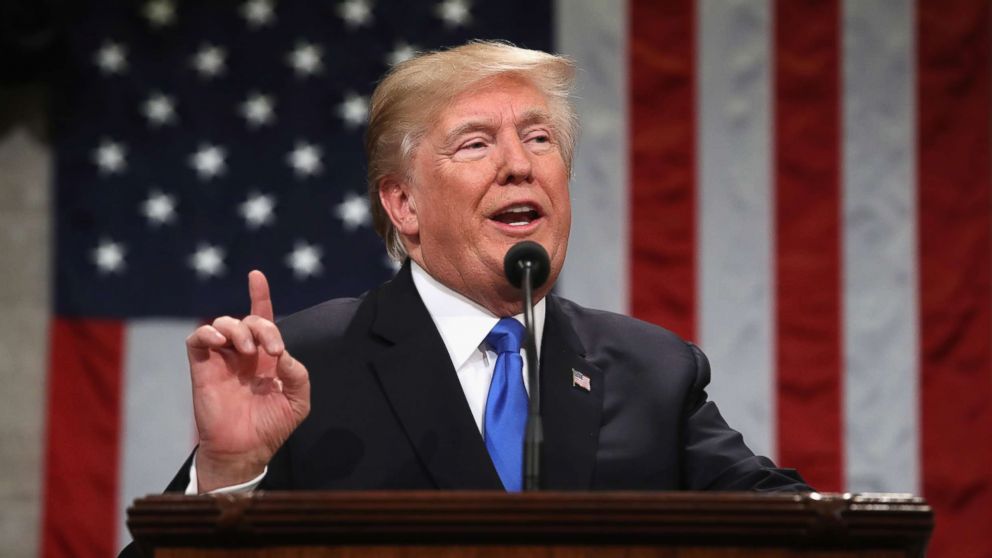
The United States Congress is preparing to confront President Donald Trump’s authority to launch military action against Iran, as lawmakers from both parties question the legality of strikes ordered without prior congressional approval.
Diaspora Digital Media gathered that the debate comes after the United States carried out a major military assault on Iranian targets, a decision that alarmed senior Democrats and a small group of Republicans who argue the president bypassed constitutional limits on war powers.
Lawmakers had already scheduled votes this week in both the House of Representatives and the Senate to determine whether future military action against Iran must receive explicit congressional authorization.
Trump’s decision to proceed with strikes days before those debates has intensified political tensions on Capitol Hill.
Democratic Representative Ro Khanna of California criticized the move, saying the president initiated military action without consultation at a time when lawmakers were dispersed across the country and Congress was not in session.

“This represents a clear disregard for Congress,” Khanna said, arguing that the Constitution grants lawmakers not the president the authority to decide when the nation enters war.
Rare Bipartisan Opposition Emerges
Opposition has not been limited to Democrats. Republican Representative Thomas Massie of Kentucky, long known for opposing foreign military interventions, joined calls to immediately reconvene Congress for a formal vote on the conflict.
“I am opposed to this war,” Massie said, rejecting claims that the operation aligns with an “America First” foreign policy.
Senator Rand Paul also voiced strong concerns, emphasizing that the constitutional power to declare war rests with Congress in order to prevent unnecessary conflicts.
He said his obligation to uphold the Constitution required him to oppose unilateral presidential military action.
Another Republican lawmaker, Representative Warren Davidson of Ohio, signaled support for legislation requiring the president to seek congressional approval before expanding military operations in Iran.
Davidson stated plainly that war demands authorization from lawmakers.
Test of Republican Unity
The upcoming votes are expected to test unity within the Republican Party, particularly among conservative lawmakers who previously supported Trump’s pledge to avoid prolonged foreign wars.
While party leadership has largely rallied behind the president, dissent within GOP ranks has begun to surface.
Republican leaders including House Speaker Mike Johnson and Senate Majority Leader John Thune quickly praised the strikes, framing them as necessary for national security.
However, several lawmakers have called for greater transparency and detailed briefings from the White House regarding the scope and objectives of the operation.
Senator Thom Tillis of North Carolina said Congress must soon receive a comprehensive explanation of the military campaign, known as Operation Epic Fury, in order to determine whether further authorization is required.
Even if Congress passes a resolution limiting the president’s war authority, the measure would likely face a presidential veto.
Overriding such a veto would require a two-thirds majority in both chambers a difficult threshold to reach.
Still, lawmakers say passage alone would represent a significant political rebuke to the administration, drawing comparisons to the historic 2002 congressional vote authorizing the Iraq War.
Behind the scenes, frustrations have been building for months among lawmakers who say the administration has provided limited information about overseas operations.
Although senior congressional leaders received classified briefings prior to the strikes, several sources said lawmakers were not given a full legal justification for the action.
Democrats are coordinating their response ahead of an internal party meeting, though divisions remain among some pro-Israel members who are hesitant to restrict military action against Iran.
Meanwhile, even Republicans supportive of Trump’s tougher stance toward Tehran have urged closer consultation with Congress moving forward.
Representative Don Bacon of Nebraska said lawmakers should engage in deeper dialogue with the administration, arguing that while Iran’s leadership poses a long-term threat, Congress must remain involved in decisions that could expand into a broader conflict.
As Washington prepares for contentious votes in the coming days, the dispute underscores a recurring constitutional struggle between Congress and the presidency one now unfolding amid a rapidly escalating crisis in the Middle East.