The United States dollar retreated from multi-month highs this week as a sharp spike in global energy prices disrupted long-standing interest rate expectations. According to a report by Reuters on Friday, the greenback faced significant downward pressure as investors reassessed the trajectory of global monetary policy. The market now views the US Federal Reserve as the only major central bank not expected to implement a rate hike within the current calendar year. This shift comes as escalating tensions in the Middle East significantly impact global oil and gas supply chains, forcing a re-evaluation of inflation risks worldwide.
Energy Crisis Disrupts Global Monetary Policy
The dollar index weakened notably this week, falling 1.1% to settle at 99.359, which represents its most significant weekly decline since late January. This downturn follows a period where Brent crude futures surged approximately 50% following the escalation of conflict between the US, Israel, and Iran. The resulting disruption to Middle East energy exports has complicated the inflation outlook for nearly every major economy. Consequently, market expectations have shifted from anticipating two US rate cuts this year to a state of total uncertainty regarding whether even a single reduction will occur.
Major Currencies Gain Ground Against Greenback
As the dollar faltered, other major world currencies capitalised on the shifting economic landscape. The euro rose 1.4% for the week to trade near $1.1569, while the British pound climbed over 1.5% to hover around the $1.3422 mark. Even the Japanese yen, which has faced historic pressure, gained 1.2% to steady near 157.88. These gains reflect a broad-based strengthening of foreign currencies as traders bet on tighter monetary policy outside of the United States. In the Pacific, the Australian dollar gained 1.5%, trading just below the 71-cent threshold following consecutive rate hikes by the Reserve Bank of Australia.
“The implications of developments in the Middle East for the US economy are uncertain. In the near term, higher energy prices will push up overall inflation, but it is too soon to know the duration of these effects.” — Jerome Powell, Chair of the Federal Reserve


Emerging Markets Face Severe Volatility
While major currencies strengthened, emerging market assets showed mixed and often troubled reactions to the global shifts. In Nigeria, the naira depreciated to N1,362/$ on Wednesday, according to data provided by the Central Bank of Nigeria (CBN). Trading was paused on Thursday due to the Eid al-Fitr public holiday, leaving the local currency vulnerable to further fluctuations as global markets resumed. Meanwhile, India’s rupee plummeted to a record low, forcing the Reserve Bank of India to ramp up forward dollar interventions to nearly $100 billion to maintain stability.
https://www.cbn.gov.ng/rates/ExchRateByCurrency.html
Central Banks Pivot Toward Tightening
Reuters reports that global financial authorities are increasingly signaling a move toward more aggressive tightening to combat energy-driven inflation. The European Central Bank has warned of rising price pressures, with markets now pricing in a potential hike as early as June. Similarly, the Bank of England has signaled its readiness to act, with traders anticipating up to 80 basis points of hikes by the end of the year. While the South African Reserve Bank recently held its benchmark rate steady at 6.75%, the global trend suggests that the era of a “wait-and-see” approach may be coming to an end for many.
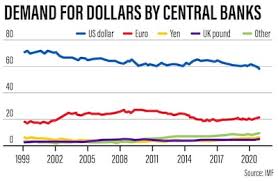
The sudden reversal of the US dollar’s strength highlights the fragile nature of current global economic stability. As the Federal Reserve maintains its cautious stance, the divergence between American policy and the rest of the world continues to grow. Investors must now monitor the ongoing conflict in the Middle East as the primary driver for both energy costs and currency valuations. The coming months will determine if the Fed is forced to abandon its patience in favor of active intervention to protect the American economy from imported inflation.
https://diasporadigitalmedia.com/nigeria-uk-seal-746m-deal-to-redevelop-tin-can-apapa-ports/