


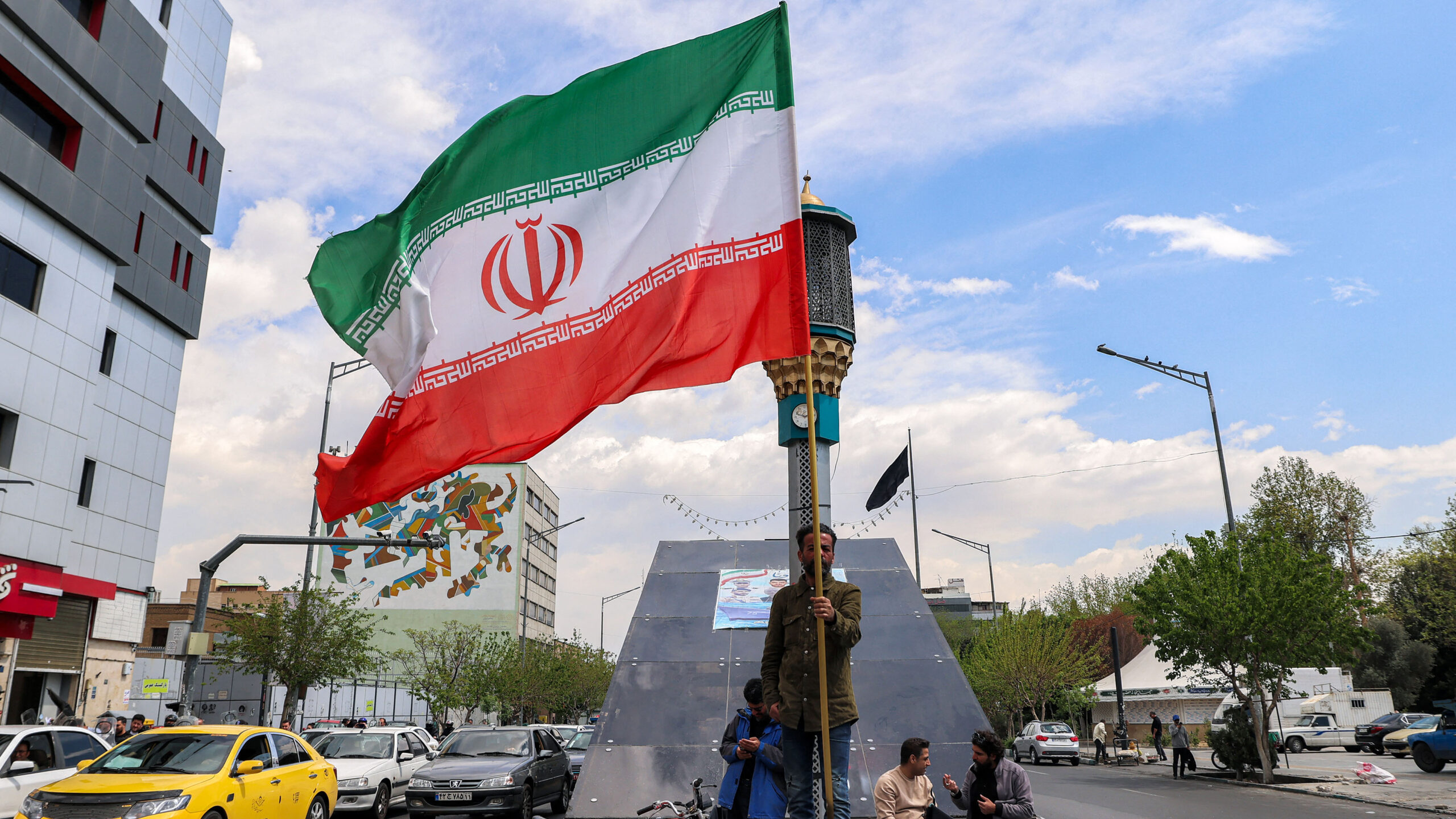
The United States and Iran have resumed diplomatic talks in New York for the first time in more than three months, hours after President Donald Trump warned Tehran to either reach an agreement or face “annihilation.”
US special envoy Steve Witkoff held lengthy indirect discussions with Iranian Foreign Minister Abbas Araghchi on Tuesday through mediators, marking the highest-level contact between Washington and Tehran since a June ceasefire quickly collapsed.
Details of the talks were not immediately disclosed, and no major breakthrough was reported.
Iranian media said Araghchi repeated Tehran’s broader demands, including the unfreezing of Iranian assets, an end to the US naval blockade and a halt to conflicts involving what Iran calls its “resistance fronts.”

It remained unclear whether the demand included Yemen, where Iran-backed Houthi rebels have made significant gains and disrupted Saudi oil exports since the previous round of negotiations.
Witkoff confirmed on X that the discussions were indirect, with mediators moving between the American and Iranian delegations.
“Today, on the sidelines of the United Nations General Assembly, we engaged in lengthy talks with the Iranian delegation through the mediators, who shuttled between the two sides throughout the day,” he said.
The US envoy added that the mediators had completed a round of discussions that Washington hoped would lead to further progress.
Trump, speaking during a meeting with Arab leaders on the sidelines of the United Nations General Assembly, warned that the situation could reach a rapid conclusion if Iran refused to reach an agreement.
“It’s going to go one way or another,” Trump said.
“It’s either we’re going to make a deal or it will end very, very quickly. So quickly your head will spin.”
Jordan’s King Abdullah was seen crossing his fingers in videos posted online when asked whether an agreement with Iran was possible.
US Ambassador to Turkey Tom Barrack said the participants had reached a broad consensus that a way forward was needed, although he did not disclose details of the discussions.
“There’s a consensus that we need a way forward. That’s the only consensus,” Barrack told reporters after the meeting.
Diplomatic engagement between Washington and Tehran had stalled in recent months as uncertainty surrounding the war increased.
The Strait of Hormuz also remains unsettled, with tankers operating through waters facing drone threats while the United States and Iran continue to exchange sporadic strikes.




