



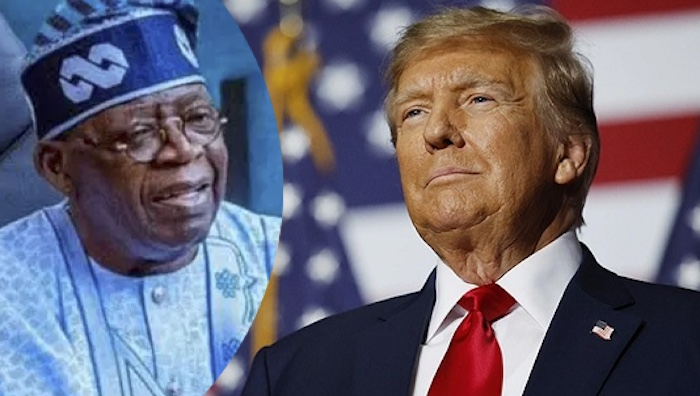
A United States congressional panel has recommended restricting the export of beef and other cattle-related products from Nigeria to countries including Ivory Coast, Ghana, South Africa, and Senegal.
The proposal is part of broader measures aimed at addressing alleged religious persecution and worsening insecurity in Nigeria.
The recommendation was contained in a report presented at the White House by Congressman Riley M. Moore, working with members of the House Committees on Appropriations and Foreign Affairs.
The report outlines steps to combat extremist violence and protect Christian communities in Nigeria.
CPC Redesignation and Findings
The panel’s submission follows the redesignation of Nigeria as a Country of Particular Concern (CPC) on October 31, 2025, by former U.S. President Donald Trump.
According to the report, Nigeria has experienced decades of violence, describing the country as one of the most dangerous places for Christians.
It alleges that armed groups, including Fulani militias and terrorist organisations, have carried out widespread attacks resulting in deaths, kidnappings, and the destruction of churches and schools.
It also criticises the use of blasphemy laws in northern states, claiming they suppress dissent and target minorities.
Key Recommendations
The panel urged the U.S. President to:
Block beef and cattle-product exports to selected African markets as leverage to compel disarmament of armed herdsmen.
Establish a bilateral U.S.–Nigeria security agreement to protect vulnerable communities.
Withhold certain U.S. funds pending action by the Nigerian government.
Impose sanctions and visa restrictions on individuals involved in religious persecution.
Provide technical support to address violence linked to armed groups.
Call for repeal of Sharia and blasphemy laws.
Work with international partners including France, Hungary, and the United Kingdom.
Broader Implications
If adopted, the proposed export restrictions could affect Nigeria’s livestock trade and regional commerce.
Analysts say the recommendations may also influence diplomatic relations and security cooperation between Nigeria and the United States.
No official response from the Nigerian government had been issued at the time of filing this report.

