



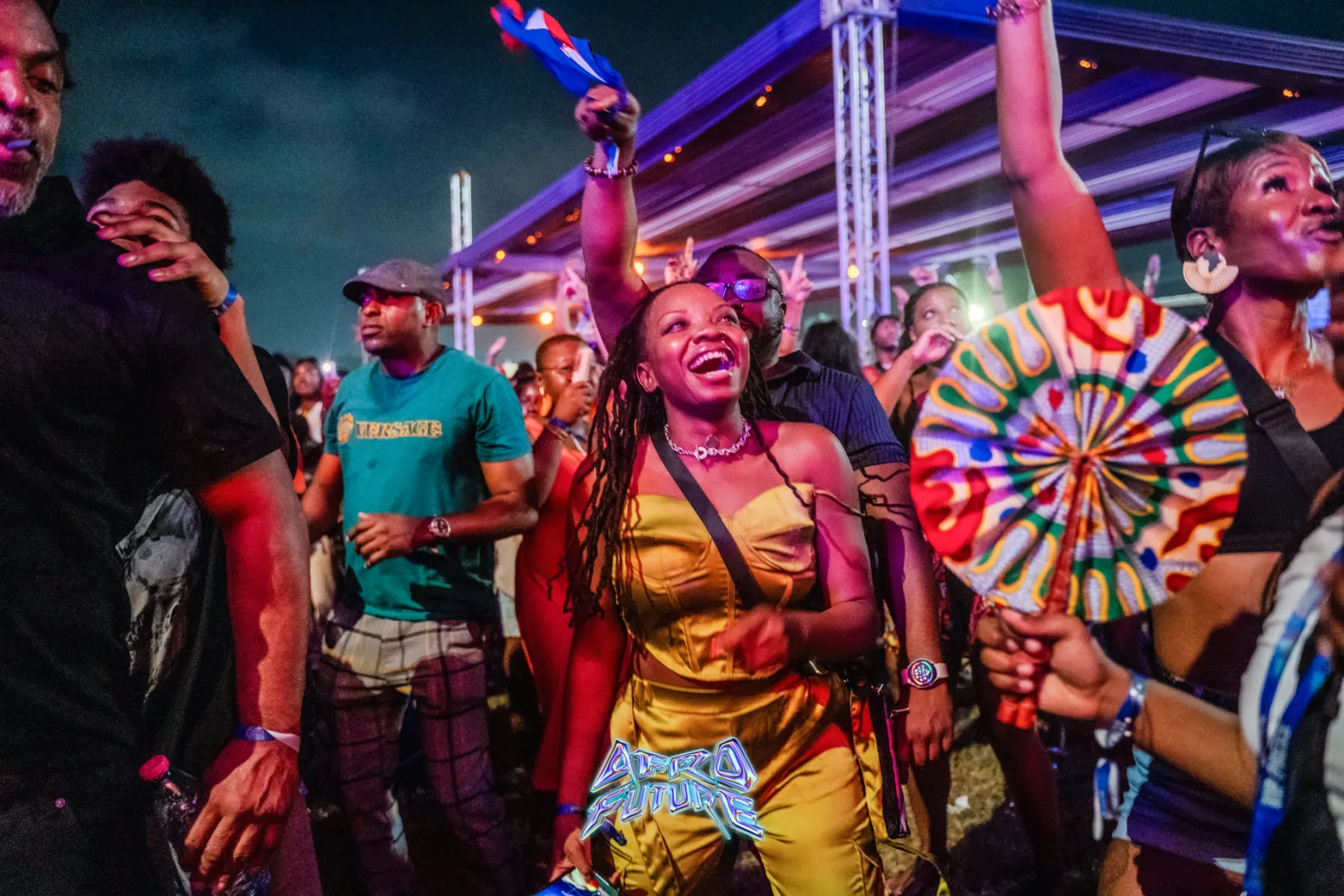
The festive excitement surrounding Nigeria’s popular Detty December season has been significantly dampened as fears of detention, visa cancellation, and denial of re-entry into the United States force many Nigerians abroad to shelve planned trips home.
This growing anxiety follows the imposition of fresh travel restrictions on Nigerians by US President Donald Trump, a move that has sent shockwaves through Nigerian communities in the United States and beyond.
Detty December, a colloquial Nigerian expression describing the end-of-year festive season marked by concerts, parties, homecomings, and family reunions, traditionally draws thousands of Nigerians in the diaspora back home. The term “Detty,” a Pidgin twist of “dirty,” connotes carefree, high-energy celebrations. This year, however, the mood has shifted from excitement to caution.
Findings indicate that many Nigerians holding valid US visas have cancelled or postponed their travel plans, worried that leaving the United States could expose them to re-entry denial, detention at ports of entry, or even deportation. The fear cuts across students, professionals, frequent travellers, and even green card holders.
Several individuals told correspondents that the uncertainty surrounding the new policy was severe enough to disrupt family plans. One visa holder revealed that he advised his son against returning to Nigeria for Christmas, citing the unpredictable nature of the new restrictions.
Since assuming office, the Trump administration has steadily introduced visa bans and immigration controls affecting Nigeria and other countries, citing the need for stronger border security, immigration reform, improved vetting processes, and concerns over visa overstays. The latest proclamation, signed on Tuesday, marks a significant escalation.
Under the new directive, Nigerians—along with citizens of 16 other African countries—holding B-1, B-2, B-1/B-2, F, M, and J visas will be barred from entering the United States from January 1, 2026. These categories cover business travellers, tourists, students, and exchange visitors, effectively impacting a broad segment of Nigerian travellers.
Beyond security concerns, US authorities also cited what they described as a high rate of visa overstays by Nigerian nationals as part of the justification.
Diaspora Nigerians Put Travel on Hold
Many Nigerians resident in the United States say the risks associated with travelling home for Detty December outweigh the benefits.
Dr Juliet Agocha, a Nigerian contesting for a council seat in District 4 of Prince George’s County, said travelling home at this time could jeopardise her political aspirations.
“Travelling to Nigeria under this climate poses a significant political risk for me,” she said. “More than 18,000 Nigerian immigrants could be affected by the visa ban, and nobody wants to take unnecessary chances.”
Similarly, a doctoral candidate and microbiologist at Indiana University disclosed that numerous Nigerian students had abandoned holiday travel plans despite completing academic documentation well in advance.
“There is panic everywhere, especially among students,” he said anonymously. “People fear that if they leave the US now, they may not be allowed back in.”
Fear Extends to Visa Holders in Nigeria
The apprehension is not limited to Nigerians in the US. Several Nigerians in Nigeria with valid US visas have also shelved upcoming trips.
An Osogbo-based entrepreneur with nearly two years left on his US visa said he cancelled a planned February 2026 visit to Maryland due to uncertainty around enforcement.
“I can’t take chances with what is happening. It’s better to wait and see how things settle,” he said.
He recounted the experience of a close relative who was detained upon arrival in Houston despite holding a green card and travelling frequently between Nigeria and the US.
“She was detained immediately on arrival and is still with Customs,” he said. “If this can happen to a green card holder, then no Nigerian is truly safe under this visa regime.”
A Nigerian-born US citizen, however, suggested that some green card holders facing difficulties may have unresolved legal or criminal issues that were previously overlooked.
“With the new enforcement posture, even minor infractions from decades ago are now being scrutinised,” he said, adding that Africans, in particular, appear more vulnerable under the new rules.
Another Lagos-based visa holder said he also postponed his January trip to the US, citing the unpredictability of the Trump administration.
“Your visa can be valid today and revoked tomorrow,” he said. “Who refunds your ticket if that happens?”
Universities Suspend Admission Offers
The uncertainty has also begun affecting academic pathways. Some US universities have reportedly suspended or deferred admission offers to Nigerian students.
A Canada-based education consultant, Dr Oludayo Sokunbi, disclosed that a Nigerian student who secured a fully funded master’s scholarship was advised to defer admission until 2027 due to the travel ban.
Several social media users shared similar experiences, with some institutions withdrawing offers altogether.
Experts React
Reacting to the development, education consultant Sulaimon Okewole described the visa restrictions as an unfortunate decision with far-reaching implications.
“This policy fractures families, disrupts education, and sends a message of rejection to an entire nation,” he said, urging affected Nigerians to consider alternative destinations such as Canada and the UK.
A former Nigerian ambassador, Yemi Farounbi, argued that the policy appeared more political than security-driven, noting that its broad application undermines its stated objectives.
Another retired diplomat, Mabdul Mohammed, said Nigeria’s security challenges continue to shape US policy decisions, stressing that meaningful improvements in internal security could influence future reversals.
Foreign affairs analyst Charles Onunaiju advised Nigerians to brace for tougher engagements with the US and called for diversification of Nigeria’s diplomatic relationships.
Efforts to obtain official reactions from the Ministry of Foreign Affairs and the Ministry of Information were unsuccessful as of the time of filing this report.

