


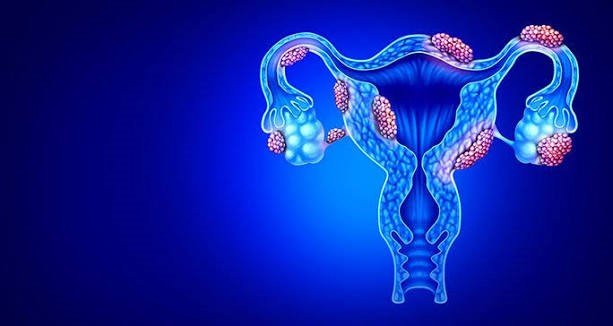
Uterine fibroids are non-cancerous growths that develop in or around the uterus. They are one of the most common gynaecological conditions, affecting many women during their reproductive years. While some fibroids cause no symptoms, others can lead to heavy menstrual bleeding, pelvic pain, fertility problems, and complications during pregnancy.
Health experts say most fibroids are benign, but women experiencing persistent symptoms should seek medical evaluation to determine the most appropriate treatment.
What Are Uterine Fibroids?
Uterine fibroids, also known as leiomyomas or myomas, are growths made of muscle and fibrous tissue that develop in the wall of the uterus.
They can vary greatly in size, from tiny nodules that are difficult to detect to large masses that enlarge the uterus.

A woman may have a single fibroid or multiple fibroids.
What Causes Fibroids?
The exact cause of fibroids is not fully understood, but several factors are believed to play a role.
These include:
- Female hormones, particularly oestrogen and progesterone.
- Genetic factors.
- Family history.
- Growth factors that influence cell development.
Fibroids often grow during the reproductive years and tend to shrink after menopause when hormone levels decline.
Common Symptoms
Many women with fibroids have no symptoms.
When symptoms occur, they may include:
- Heavy or prolonged menstrual bleeding.
- Painful menstrual cramps.
- Pelvic pressure or pain.
- Frequent urination due to pressure on the bladder.
- Difficulty emptying the bladder.
- Constipation caused by pressure on the bowel.
- Lower back pain.
- Pain during sexual intercourse.
- Enlarged abdomen.
- Difficulty becoming pregnant in some cases.
The symptoms often depend on the size, number, and location of the fibroids.
Who Is at Risk?
You may have a higher risk of developing fibroids if you:
- Are between the ages of 30 and 50.
- Have a family history of fibroids.
- Started menstruating at an early age.
- Have obesity.
- Have never given birth.
Fibroids are particularly common among women of African ancestry, although they can affect women of all ethnic backgrounds.
Possible Complications
Although fibroids are usually not dangerous, they can sometimes lead to:
- Iron-deficiency anaemia from heavy menstrual bleeding.
- Pregnancy complications.
- Infertility in some women.
- Chronic pelvic pain.
- Urinary problems caused by pressure on the bladder.
Most fibroids do not become cancerous.
How Are Fibroids Diagnosed?
A healthcare provider may recommend:
- A review of your symptoms and medical history.
- A pelvic examination.
- Pelvic ultrasound, which is the most common imaging test.
- MRI in selected cases.
- Hysteroscopy or other specialised procedures if needed.
These tests help determine the size, number, and location of the fibroids.
Treatment Options
Treatment depends on the severity of symptoms, the size of the fibroids, the woman’s age, and whether she wishes to become pregnant.
Watchful Waiting
Women with small fibroids that cause no symptoms may only require regular monitoring.
Medications
Doctors may prescribe medications to:
- Reduce heavy menstrual bleeding.
- Relieve pain.
- Temporarily shrink fibroids before surgery.
Minimally Invasive Procedures
Some women may benefit from procedures that reduce the blood supply to fibroids or destroy the fibroid tissue without removing the uterus.
Surgery
Surgical options include:
- Myomectomy, which removes fibroids while preserving the uterus.
- Hysterectomy, which removes the uterus and is considered a permanent solution for women who no longer wish to have children.
The choice of treatment depends on individual circumstances.
Can Fibroids Be Prevented?
There is no guaranteed way to prevent fibroids.
However, maintaining a healthy weight, eating a balanced diet rich in fruits and vegetables, and attending regular gynaecological check-ups may support overall reproductive health.
When Should You See a Doctor?
Consult a healthcare professional if you experience:
- Heavy menstrual bleeding that interferes with daily life.
- Pelvic pain or pressure.
- Frequent urination without infection.
- Difficulty becoming pregnant.
- Rapid enlargement of the abdomen.
- Bleeding between menstrual periods.
Early evaluation helps determine whether fibroids or another condition is responsible for your symptoms.
The Bottom Line
Uterine fibroids are common, non-cancerous growths that may cause heavy periods, pelvic pain, urinary symptoms, or fertility problems. While many women require no treatment, others benefit from medication or surgery depending on the severity of their symptoms. Regular medical check-ups and prompt evaluation of abnormal menstrual bleeding can help ensure early diagnosis and appropriate care.
Disclaimer: This article is for informational purposes only and should not replace professional medical advice. Anyone experiencing symptoms suggestive of uterine fibroids should consult a qualified healthcare professional or gynaecologist for proper diagnosis and personalised treatment




