


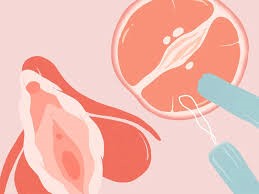
Many people worry that the vagina can become permanently “loose” due to sex, childbirth, or aging. However, medical experts say that several common beliefs about vaginal looseness are myths.
The vagina is a flexible, muscular organ designed to stretch and return to its usual shape. While childbirth, aging, and changes in pelvic floor strength can affect how the vagina feels, these changes are often related to muscle function rather than permanent stretching.
Does Sex Make the Vagina Loose?
One of the most common misconceptions is that frequent sexual activity permanently loosens the vagina. There is no scientific evidence to support this claim.
During sexual arousal, vaginal muscles naturally relax and the tissues become lubricated to allow comfortable penetration. After sexual activity, the vagina gradually returns to its usual state.

Like other muscles in the body, vaginal tissues are designed to stretch and recover. Differences in sensation during sex are more likely to be influenced by factors such as arousal, lubrication, comfort, and individual anatomy rather than the number of sexual partners a person has had.
How Childbirth Can Affect Vaginal Muscles
Pregnancy and vaginal delivery place significant strain on the pelvic floor muscles and surrounding tissues.
During childbirth, the vagina stretches to allow the baby to pass through the birth canal. After delivery, these tissues gradually recover, although some people may notice temporary changes in vaginal sensation, elasticity, or muscle strength.
In some cases, childbirth can cause injury to muscles, connective tissues, or nerves in the pelvic region. These changes may affect how tight or loose the vagina feels, but recovery often improves over time.
The Impact of Aging
As people age, the body’s muscles and tissues naturally lose some strength and elasticity. Hormonal changes, particularly during menopause, can also affect vaginal health.
Lower estrogen levels may lead to:
- Reduced natural lubrication
- Thinner vaginal tissues
- Decreased elasticity
- Changes in vaginal sensation during sex
Some individuals may notice that the vagina feels different after menopause, though these changes vary widely from person to person.
The Role of Pelvic Floor Muscles
The pelvic floor is a group of muscles that support the bladder, uterus, rectum, and vagina. When these muscles weaken, a person may experience:
- A feeling of vaginal looseness
- Urinary leakage
- Reduced pelvic support
- Pelvic organ prolapse in severe cases
Strengthening the pelvic floor can improve muscle tone and overall pelvic health.
Pelvic Floor Exercises
Kegel exercises are among the most effective ways to strengthen pelvic floor muscles.
To perform a Kegel exercise:
- Identify the muscles used to stop the flow of urine.
- Tighten those muscles gently.
- Hold the contraction for a few seconds.
- Relax completely.
- Repeat several times daily.
Consistent practice may improve muscle strength over several weeks or months.
Other Treatment Options
For individuals with significant pelvic floor weakness, healthcare providers may recommend:
- Physical therapy focused on pelvic health
- Electrical stimulation therapies
- Vaginal support devices
- Surgical treatment for severe pelvic organ prolapse
Treatment recommendations depend on the underlying cause and severity of symptoms.
When to Seek Medical Advice
A healthcare professional should be consulted if vaginal changes are accompanied by:
- Urinary incontinence
- Pelvic pressure or heaviness
- Pain during sex
- Vaginal bulging or prolapse symptoms
- Persistent discomfort
Summary
The idea that sexual activity permanently loosens the vagina is a myth. While childbirth, aging, and pelvic floor weakness can influence vaginal sensation and support, the vagina remains a highly elastic organ capable of adapting and recovering.
Maintaining pelvic floor strength through regular exercise and seeking medical advice when symptoms arise can help support long-term vaginal and pelvic health.




