


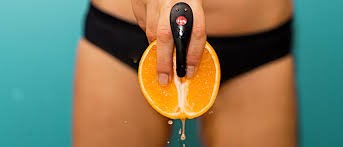
Squirting refers to the release of fluid from the vagina during sexual arousal or orgasm. It is sometimes described as female ejaculation or gushing. While the phenomenon is widely reported, researchers still do not fully agree on what the fluid is or how it is produced.
What Is Squirting?
Squirting typically involves the expulsion of liquid from the urethral area during sexual stimulation. Some studies suggest that the fluid is primarily urine, while others indicate it may also contain secretions from the Skene’s glands, sometimes referred to as the female prostate.
Despite ongoing research, the exact source and composition of the fluid remain uncertain, partly because experiences vary widely between individuals.
Possible Causes
The precise mechanism behind squirting is still under investigation. However, several theories exist:

- Bladder release theory: Some research suggests the fluid may originate in the bladder and be expelled involuntarily during sexual activity
- Skene’s gland theory: Other studies propose that fluid may come from glands located near the urethra
- Sexual stimulation response: Many individuals report squirting in response to stimulation of the vaginal front wall, often associated with the so-called G-spot area
There is still no scientific consensus, and more large-scale studies are needed.
What It Feels Like
Experiences of squirting vary significantly from person to person. Reported sensations include:
- A feeling of intense sexual release
- A sensation similar to needing to urinate before fluid release
- Stronger or different orgasmic sensations in some individuals
- In some cases, little emotional or physical impact
Some individuals describe it as pleasurable and empowering, while others report it as neutral or unexpected.
Tips for Those Interested
While there is no guaranteed method, some people explore squirting through self-stimulation or partnered sexual activity.
Solo Exploration
Many individuals find it easier to experiment alone, where they can control pressure and stimulation. Common approaches include:
- Stimulating the front wall of the vagina using fingers or sex toys
- Combining internal stimulation with clitoral stimulation
- Paying attention to sensations of pressure or fullness
Using Sex Toys
Certain toys may help enhance stimulation, such as:
- G-spot vibrators or curved dildos for internal stimulation
- External vibrators for clitoral stimulation
- Dual-action toys that target both areas simultaneously
Partnered Sex Positions
Some positions may increase stimulation of the front vaginal wall, including:
- Rear-entry positions
- Modified positions where the angle allows deeper front-wall contact
- Positions that allow simultaneous clitoral stimulation
Comfort, communication, and relaxation are often key factors.
Frequently Asked Questions
Is squirting common?
Research estimates vary widely, but studies suggest that a portion of individuals may experience it occasionally. Exact prevalence is not clearly known.
Is squirting urine?
Some studies indicate the fluid may come from the bladder, while others suggest it may include glandular secretions. The scientific community has not reached a final conclusion.
Can everyone squirt?
There is no clear evidence that all individuals with vaginas are able to squirt, and sexual response varies greatly from person to person.
Summary
Squirting is a sexual phenomenon involving fluid release from the vagina during arousal or orgasm. While research suggests the fluid may originate from the bladder or nearby glands, its exact nature remains under debate.
Experiences differ widely, and there is no single method or guaranteed outcome. Scientific understanding is still evolving, and further research is needed to fully explain the process.




