Walmart’s Muse integration brings product search and checkout into Meta’s AI agent, with Agent Profiles for spending limits and purchase approvals.
Walmart now lets customers shop its Black Friday offers through Meta’s Muse AI agent. Announced Nov. 24, the feature supports product search, cart building and checkout inside a Muse conversation. The system uses Walmart’s Agent Gateway and an Agent Profile linked to the shopper’s account. The launch offers a new route to Walmart’s store as retailers test how software might shop for consumers.
## How to shop with Muse at Walmart
A shopper tells Muse what they need, such as a product or a deal under a chosen price. Muse sends the request through the Gateway, and Walmart returns matching items from its assortment. Walmart says the products include current offers and the same prices shown on Walmart.com.
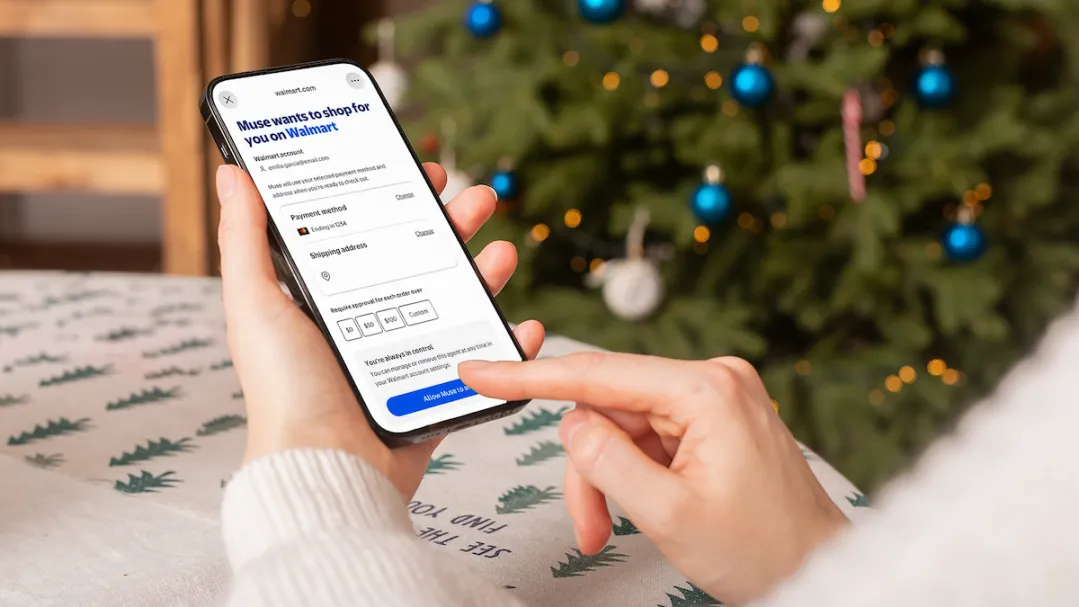
For a first cart item, Muse sends shoppers to Walmart to sign in and create an Agent Profile. They choose an approval rule or spending cap, then return to the conversation to complete checkout. Payment uses a card saved in the Walmart account, and eligible Walmart+ benefits remain available. Walmart says a Walmart+ membership is not required to use the Gateway.
## Walmart’s Agent Gateway connects outside agents
The Gateway gives approved assistants a direct route to Walmart’s shopping systems. Instead of mimicking human browsing, it passes a customer’s request to Walmart and returns matching products. The retailer says it plans to support more shopping apps and agents.
Meta had named Walmart among Muse’s shopping partners at its September Connect event. This November launch put that planned connection into use for Black Friday. The Gateway could extend to additional retail apps and agents over time.
## Agent Profiles set purchase and privacy limits
Agent Profiles separate an agent’s purchases and let customers review them. Shoppers may require approval for each order or set a spending cap. Walmart’s published rules place a limit on how agents may act. “Agents must not take actions beyond what the shopper intends.” — Walmart, terms for AI agents. Its return policy still applies if an agent makes a mistake. Customers can authorize each assistant through its own profile.
Walmart says agents do not receive card details or change payment methods. They access only task-related information allowed by the shopper. The Gateway does not expose customers’ broader Walmart purchase history to Muse.
Meta’s privacy policy governs information customers share in Muse. Walmart handles information it receives under its own privacy notice. The distinction matters because both companies process parts of the shopping flow.
## Muse joins Walmart’s wider AI shopping plans
Walmart is also expanding Sparky, its own shopping assistant. Recent updates let Sparky turn handwritten lists into carts and use voice or images to find products. It can also help shoppers locate items inside stores.
Together, the efforts give Walmart both an in-house assistant and connections for outside agents. Meta’s Muse adds product discovery and checkout in a separate AI service. Walmart says its Gateway will make more integrations possible.
## Walmart’s approach contrasts with Amazon’s
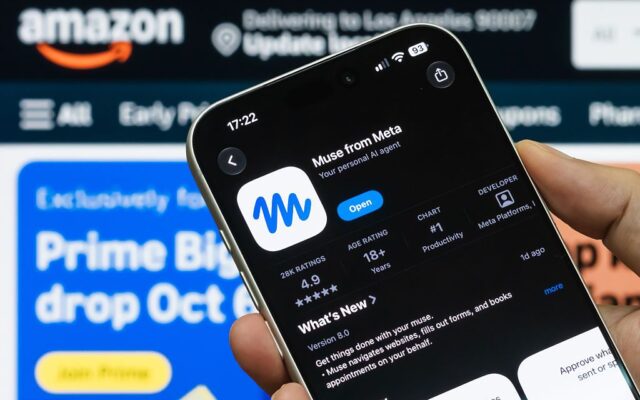
Amazon blocked Muse from shopping on Amazon.com in September, after users saw an unauthorized-agent notice. Walmart instead created a retailer-controlled gateway for outside assistants. The approaches show that retailers are setting different access rules.
TechCrunch reported Nov. 25 that Amazon and Meta were discussing a potential deal. Fortune, citing people familiar with the talks, said search presentation and advertising remained open issues. The report did not announce an agreement.
## What AI shopping changes for buyers and retailers
Chat-based shopping may reduce browsing, but it places an agent between customers and product listings. Walmart controls which products it returns, what prices apply and how orders are handled. Its safeguards cannot guarantee that an agent understands an ambiguous request.
Retailers gain a discovery channel while keeping checkout within their systems. Meta gains a Walmart shopping connection, while Walmart sets permissions for the agent. Actual shopper adoption and sales impact remain unknown.
Ultimately, the Walmart–Muse link turns AI shopping into a checkout option, not just product recommendations. The Agent Gateway and profiles put Walmart’s rules around those transactions. The partnership does not show whether shoppers will trust agents with routine purchases or whether sales will rise. Its next test is whether convenience outweighs the value people place on browsing and choosing for themselves.