


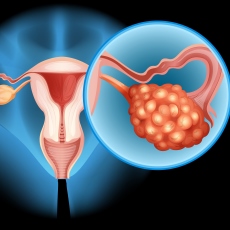
Health experts are raising concerns about the growing number of women who are diagnosed with Ovarian Cancer at advanced stages, largely because the early warning signs are subtle and often mistaken for common digestive or hormonal issues.
Often referred to as a “silent disease,” ovarian cancer develops in the ovaries, the reproductive organs responsible for producing eggs and female hormones. Because its symptoms can be mild or easily confused with everyday health problems, many women do not seek medical attention until the disease has progressed.
Medical specialists say early detection remains one of the most important factors in improving survival rates. Recognizing certain persistent symptoms and seeking prompt medical evaluation could make a critical difference.
Persistent Bloating
One of the most commonly overlooked signs of ovarian cancer is ongoing abdominal bloating. Many women assume bloating is related to diet, menstrual cycles, or digestive discomfort. However, doctors warn that bloating that occurs frequently and does not go away may be an early indicator of ovarian problems.
Health professionals advise women to monitor their symptoms, especially if the bloating occurs almost daily and lasts for several weeks.
Pelvic or Abdominal Pain
Persistent pain or pressure in the lower abdomen or pelvic region may also signal a potential issue. While occasional pelvic discomfort is common, doctors caution that continuous or worsening pain should not be ignored.
Pain linked to ovarian cancer may feel like pressure, aching, or cramps in the pelvic area.
Difficulty Eating or Feeling Full Quickly
Another warning sign is a sudden change in appetite. Women may find it difficult to eat normal portions or feel unusually full after consuming small amounts of food. This symptom often occurs because a growing tumor can affect the abdominal cavity.
When this symptom appears together with bloating or abdominal discomfort, medical evaluation is strongly recommended.
Frequent Urination
Some women with ovarian cancer report an increased urge to urinate or the need to urinate more frequently. Because these symptoms resemble common urinary tract issues, they are often overlooked or treated as minor infections.
However, persistent urinary changes without clear explanation should be checked by a healthcare professional.
Unexplained Fatigue
Ongoing tiredness that does not improve with rest may also be a warning sign. While fatigue can result from stress or lack of sleep, unexplained and persistent exhaustion may indicate an underlying health problem.
Doctors note that when fatigue occurs alongside other symptoms such as abdominal swelling or pelvic pain, it may require further investigation.
Changes in Menstrual Cycle
Irregular bleeding, unusual discharge, or significant changes in menstrual patterns may also signal reproductive health concerns. Although these symptoms can have several causes, experts advise women to seek medical attention if the changes are sudden or persistent.
Importance of Early Medical Attention
Specialists in Oncology emphasize that these symptoms do not automatically mean a woman has ovarian cancer. However, when they occur frequently or last for several weeks, medical evaluation is essential.
Health professionals encourage women to listen to their bodies and not dismiss unusual or persistent symptoms. Regular medical checkups, awareness of family medical history, and prompt consultation with healthcare providers can help improve early detection.
As awareness grows, experts hope more women will recognize these warning signs early and seek timely medical care, potentially saving thousands of lives each year.

