


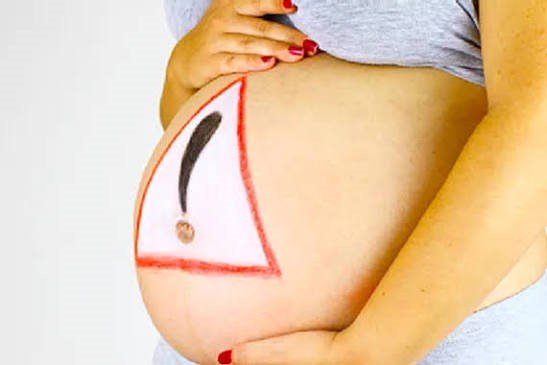
Pregnancy is usually a healthy and natural process, but in some cases, complications can arise that require urgent medical care. Recognising early warning signs can help protect both the mother and the baby and improve outcomes.
Health experts emphasize that pregnant women should never ignore unusual symptoms, especially if they are severe, persistent, or sudden.
Severe Abdominal or Pelvic Pain
Mild discomfort can be normal during pregnancy, but intense or persistent pain in the abdomen or pelvis may signal a serious problem.
Possible causes include:

- Ectopic pregnancy (early pregnancy outside the uterus).
- Miscarriage.
- Placental problems.
Any severe pain should be evaluated immediately.
Heavy Vaginal Bleeding
Light spotting can sometimes occur in early pregnancy, but heavy bleeding is not normal.
Warning signs include:
- Soaking through pads quickly.
- Passing large blood clots.
- Bleeding accompanied by cramps or pain.
These symptoms may indicate miscarriage, placental issues, or other complications.
Severe Headaches or Vision Changes
Persistent or severe headaches, especially when combined with blurred vision or flashing lights, may be a sign of preeclampsia, a dangerous pregnancy condition involving high blood pressure.
This condition requires urgent medical attention.
Swelling of the Face, Hands, or Legs
Some swelling is normal during pregnancy, but sudden or severe swelling—especially in the face and hands—may also indicate preeclampsia or other complications.
Reduced or No Baby Movement
After about 18–24 weeks of pregnancy, most women begin to feel regular fetal movements.
A noticeable decrease or absence of movement should be reported immediately to a healthcare provider.
High Fever or Infection Symptoms
A high temperature during pregnancy may indicate infection, which can be harmful if untreated.
Other signs include:
- Chills.
- Pain during urination.
- Unusual vaginal discharge.
Difficulty Breathing or Chest Pain
Shortness of breath that is severe or accompanied by chest pain, dizziness, or fainting may indicate serious conditions such as blood clots or heart-related complications.
Persistent Vomiting
Severe nausea and vomiting that prevent eating or drinking may lead to dehydration and nutrient deficiency. This condition, known as hyperemesis gravidarum, requires medical treatment.
Leaking Fluid from the Vagina
A sudden gush or continuous leakage of fluid may indicate that the amniotic sac has ruptured early (water breaking too soon), which requires immediate medical evaluation.
When Should You Go to the Hospital?
Pregnant women should seek urgent care if they experience:
- Heavy bleeding.
- Severe abdominal pain.
- Reduced fetal movement.
- Severe headaches or vision changes.
- Difficulty breathing.
- Signs of infection.
When in doubt, it is always safer to seek medical attention.
How to Reduce Pregnancy Risks
While not all complications can be prevented, regular antenatal care can reduce risks significantly.
Health experts recommend:
- Attending all prenatal check-ups.
- Eating a balanced diet.
- Avoiding alcohol and smoking.
- Taking prescribed prenatal vitamins.
- Monitoring fetal movement in later pregnancy.
The Bottom Line
Pregnancy complications can develop quickly, and early warning signs should never be ignored. Severe pain, heavy bleeding, reduced fetal movement, headaches with vision changes, and other unusual symptoms require immediate medical attention. Regular prenatal care and awareness of warning signs are key to ensuring a safe pregnancy for both mother and baby.
Disclaimer: This article is for informational purposes only and should not replace professional medical advice. Pregnant women experiencing any concerning symptoms should seek immediate care from a qualified healthcare provider or emergency services.




