


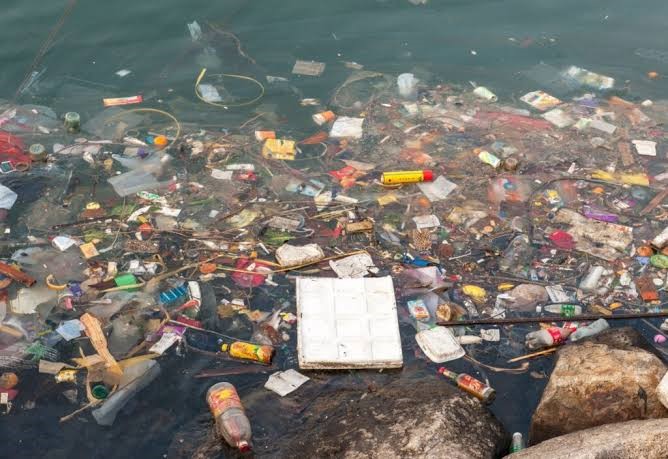
Water pollution remains one of the world’s most pressing environmental and public health challenges, affecting billions of people and increasing the risk of infectious diseases, chronic illnesses, and environmental damage.
Clean water is essential for drinking, sanitation, agriculture, and economic development. However, contamination from industrial activities, agriculture, waste disposal, and climate-related factors continues to threaten water quality in many regions.
Global Access to Safe Water Remains a Challenge
Despite progress in water infrastructure, millions of people worldwide still lack reliable access to safe drinking water. Contaminated water sources continue to expose communities to harmful chemicals, disease-causing microorganisms, and other pollutants that can undermine public health.
As populations grow and water demand increases, concerns about water quality and availability are becoming more urgent across many parts of the world.

Major Sources of Water Pollution
Water can easily become contaminated because it dissolves and carries a wide range of substances. Pollution often enters rivers, lakes, oceans, and groundwater through several pathways.
Sewage and Wastewater
Untreated or poorly treated wastewater is a major source of contamination. Household sewage, industrial discharge, and stormwater runoff can introduce harmful bacteria, viruses, chemicals, and waste materials into water systems.
Heavy rainfall can also wash oil, grease, road debris, and toxic substances into nearby waterways.
Agricultural Runoff
Agriculture is one of the largest users of freshwater globally and a significant contributor to water pollution.
Rainfall can carry fertilizers, pesticides, and animal waste from farms into rivers and lakes. Excess nutrients such as nitrogen and phosphorus encourage the growth of harmful algal blooms, which can release toxins into the water and reduce oxygen levels needed by aquatic life.
These oxygen-depleted areas, often referred to as “dead zones,” can severely damage ecosystems and fisheries.
Plastic Waste
Plastic pollution has become a major environmental concern. Discarded plastic items frequently find their way into rivers and oceans through littering, overflowing landfills, and stormwater systems.
Over time, larger plastic products break down into tiny particles known as microplastics. These particles can be consumed by marine organisms and may eventually enter the human food chain through seafood and drinking water.
Oil Contamination
Oil pollution can occur through tanker accidents, industrial activities, shipping operations, and runoff from urban areas. Oil spills can cause extensive environmental damage and threaten marine life for years.
Radioactive Waste
Improper disposal of radioactive materials can contaminate water supplies and create long-term environmental hazards. Because radioactive substances can remain dangerous for extended periods, their management requires strict safety measures.
Industrial Extraction Activities
Certain industrial processes, including oil and gas extraction, may generate wastewater containing chemicals and pollutants. If not properly managed, these substances can contaminate underground water reserves and surrounding ecosystems.
Climate Change
Scientists are increasingly examining how climate change affects water quality. Rising sea levels, flooding, droughts, and changing weather patterns can increase contamination risks and place additional pressure on freshwater supplies.
Health Risks Associated With Water Pollution
Contaminated water can expose people to a wide range of health hazards, depending on the type of pollutant involved.
Exposure to Microplastics
Microplastics have been detected in drinking water, seafood, and other food sources. While researchers are still studying their long-term effects, concerns remain about their potential impact on human health.
Early studies suggest microplastic exposure may contribute to inflammation, oxidative stress, and disruptions to normal biological processes.
Waterborne Diseases
Water contaminated with human or animal waste can spread dangerous diseases.
Pathogens found in polluted water may cause illnesses such as:
- Cholera
- Dysentery
- Typhoid fever
- Hepatitis A
- Polio
- Severe diarrheal diseases
Unsafe drinking water and inadequate sanitation continue to contribute to significant numbers of preventable illnesses and deaths worldwide.
Chemical Contamination
Industrial chemicals, pesticides, fertilizers, and heavy metals can enter drinking water supplies and pose serious health risks.
Long-term exposure to contaminated water has been linked to:
- Certain cancers
- Hormonal imbalances
- Neurological disorders
- Reproductive health problems
- Kidney damage
- Cardiovascular disease
- Immune system dysfunction
Health Effects From Recreational Water Exposure
Swimming or bathing in contaminated water can also cause health problems, including:
- Skin rashes
- Eye infections
- Respiratory illnesses
- Viral infections such as hepatitis
Steps to Reduce Water Pollution
While governments and industries play a major role in protecting water resources, individuals can also help reduce pollution through everyday actions.
Practical measures include:
- Reducing single-use plastic consumption
- Recycling whenever possible
- Properly disposing of household chemicals and hazardous waste
- Limiting the use of pesticides and chemical fertilizers
- Cleaning up pet waste responsibly
- Maintaining vehicles to prevent leaks of oil and other fluids
- Supporting sustainable food and lifestyle choices
- Conserving water and protecting local waterways
Protecting Water for Future Generations
Water pollution affects not only ecosystems but also human health, economic development, and food security. As pollution levels rise in many parts of the world, experts stress the importance of stronger environmental protections, responsible waste management, and public awareness.
Reducing contamination at its source and promoting sustainable water practices can help safeguard clean water supplies and improve health outcomes for communities worldwide.




