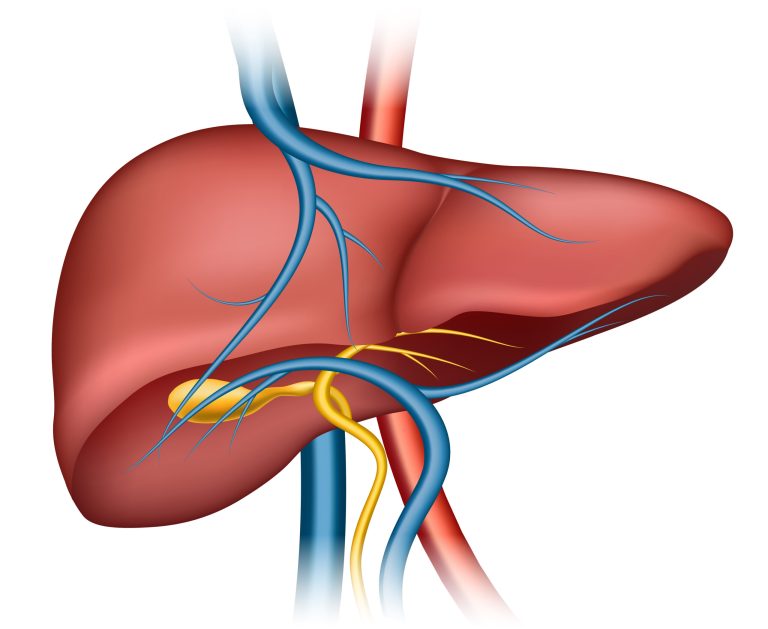
Primary biliary cholangitis (PBC) is a chronic liver disease that can progress over time to severe damage. In advanced stages, when the liver can no longer function properly, a liver transplant may become the only effective treatment option.
When is a transplant needed?
A liver transplant is typically considered when PBC leads to liver failure or when treatments no longer control the disease. Doctors may recommend a transplant if:
- Medications fail to slow disease progression
- Severe scarring of the liver (cirrhosis) develops
- Complications such as internal bleeding or liver cancer occur
In some cases, referral for transplant evaluation begins even before symptoms become severe, especially in late-stage disease.
Signs the disease is advancing
Doctors monitor patients closely for signs that the liver is failing. These may include:

- Fluid buildup in the abdomen
- Persistent fatigue and muscle weakness
- Confusion or memory problems
- Recurrent bile duct infections
- Declining ability to carry out daily activities
These indicators help determine when a transplant evaluation is necessary.

How eligibility is determined
Doctors use clinical assessments and laboratory tests to evaluate the severity of liver disease. One key tool is the MELD-Na scoring system, which measures how urgently a transplant is needed based on factors such as liver and kidney function and electrolyte balance. Higher scores indicate more severe disease and greater priority on the transplant waiting list.
Waiting for a transplant
The time it takes to receive a donor liver varies widely. It depends on factors such as blood type, body size, severity of illness, and organ availability. Some patients may wait weeks, while others may wait months or longer. In certain cases, a living donor may provide part of a liver, which can shorten waiting time.
Outcomes after transplant
A successful liver transplant can significantly improve symptoms and quality of life. Many patients live for years after the procedure. However, PBC can return in some cases, requiring continued medical follow-up.
Ongoing care is essential
Even after transplantation, patients require long-term monitoring and treatment to maintain liver health. Early evaluation, regular testing, and timely referral remain critical in managing PBC and improving outcomes.