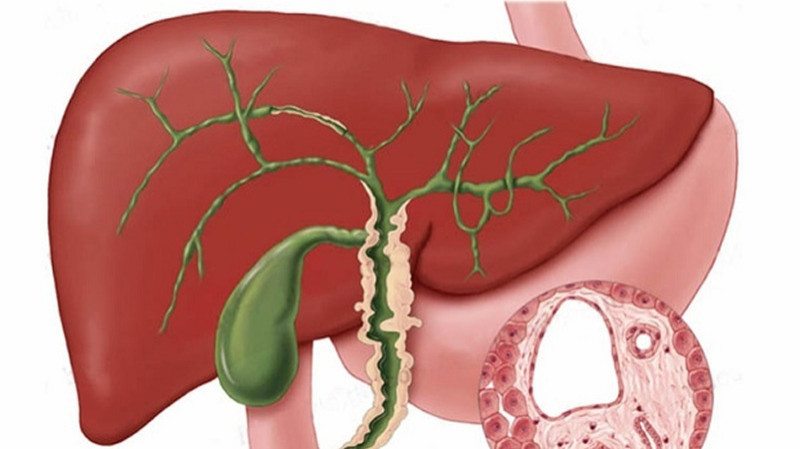
Primary biliary cholangitis (PBC) is a chronic liver condition that damages the small bile ducts, leading to a buildup of bile and progressive liver injury. Although early stages may present without symptoms, untreated or poorly managed PBC can lead to cirrhosis and, in severe cases, liver failure.
First-line treatment and its limitations
The standard initial treatment for PBC is Ursodeoxycholic acid (UDCA), which helps improve bile flow and slow disease progression. While effective for many, up to 40% of patients do not respond adequately, and some may experience side effects such as abdominal discomfort or diarrhoea.
Doctors typically monitor response through regular blood tests, checking liver enzymes and other markers. Persistent abnormalities may indicate that the treatment is not working effectively.
Signs treatment may not be working
When PBC is not well controlled, symptoms may include:

- Ongoing fatigue
- Persistent itching
- Yellowing of the skin or eyes (jaundice)
- Dry eyes and mouth
- Abdominal discomfort
- Swelling in the legs or abdomen
These signs, along with worsening blood test results, may signal disease progression.

Alternative and second-line treatments
For patients who do not respond to initial therapy, doctors may adjust treatment or introduce additional medications, including:
- Budesonide to reduce liver inflammation
- Fenofibrate and other fibrates, which may improve liver function
- Elafibranor and Seladelpar, newer therapies that target disease pathways and may reduce symptoms
Treatment is often tailored based on individual response and disease severity.
Managing symptoms and complications
In addition to disease-specific treatments, supportive care is important. Medications may be prescribed to manage itching, fatigue, dry eyes, or cholesterol levels. Bone health is also monitored, as PBC can increase the risk of osteoporosis.
In advanced cases, where liver function declines significantly, a liver transplant may be considered.
Lifestyle and self-care measures
Patients are advised to adopt habits that support liver health, including:
- Avoiding alcohol
- Maintaining a balanced diet
- Engaging in regular physical activity
- Consulting a doctor before taking new medications or supplements
Importance of ongoing monitoring
Regular medical follow-up is essential in managing PBC. Even without symptoms, the disease can progress silently, making routine testing and early adjustments to treatment critical.
Health experts stress that patients should report any new symptoms or changes promptly, ensuring timely intervention and better long-term outcomes.