


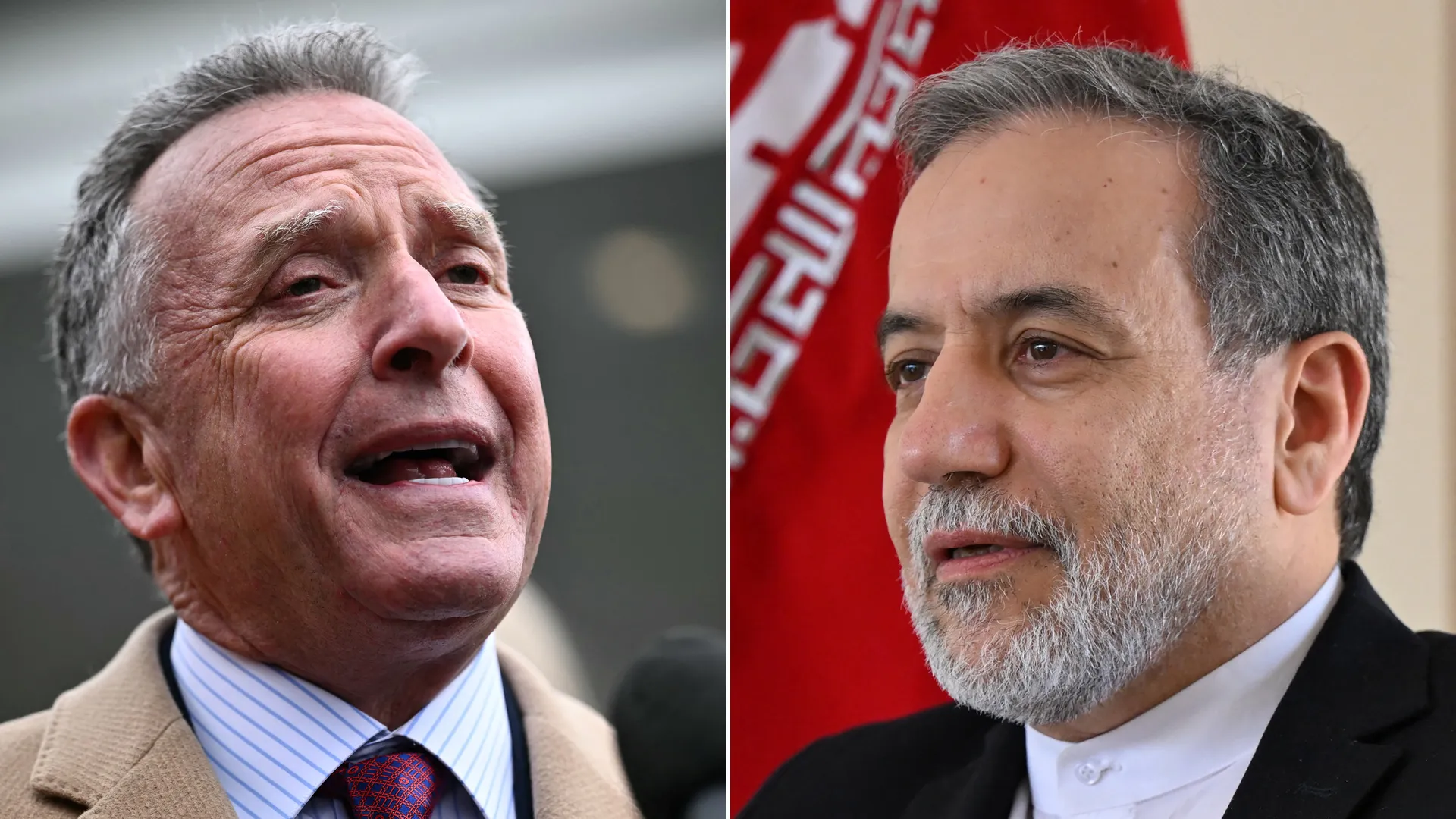
Iran has warned that any new military strike by the United States could trigger a conflict that spreads far beyond the Middle East, as tensions between Washington and Tehran remain dangerously high despite ongoing diplomatic efforts.
The warning came after United States President Donald Trump disclosed that he was close to ordering fresh attacks on Iran before stepping back to allow negotiations to continue.
Speaking at the White House on Tuesday, Trump said he had been “an hour away” from making the decision to restart military action but chose to hold off in hopes of reaching a deal.
Iran’s Revolutionary Guards responded with a strong warning, saying any repeat attack would not remain limited to the region.

“If aggression against Iran is repeated, the promised regional war will extend beyond the region this time,” the Guards said in a statement carried by state media.
The latest exchange comes six weeks after Trump suspended Operation Epic Fury under a fragile ceasefire agreement. Since then, talks aimed at ending the conflict have made little progress.
Iran has reportedly submitted a fresh proposal to Washington, but the demands remain largely unchanged.
Tehran is still calling for the lifting of sanctions, access to frozen assets, the withdrawal of U.S. troops from nearby regions, and broader control over the Strait of Hormuz.
The strategic waterway has remained at the centre of the crisis.
Iran has heavily restricted movement through the Strait of Hormuz since the conflict began earlier this year, disrupting global oil shipments and rattling energy markets worldwide.
There were signs of slight easing on Wednesday after two Chinese supertankers carrying nearly four million barrels of crude successfully passed through the strait.
Iran had recently agreed to relax restrictions for Chinese vessels, while South Korea also confirmed one of its oil tankers was crossing with Iranian cooperation.
Although shipping traffic has improved slightly, activity remains far below normal levels before the war.
Back in the United States, Trump is facing growing pressure to prevent another escalation, especially as rising fuel prices continue to affect American consumers ahead of key congressional elections.
Vice President JD Vance suggested there had been some progress in negotiations, telling reporters the talks were now in “a pretty good spot.”
Still, uncertainty over the conflict continues to shake global markets. Oil prices have fluctuated sharply in recent weeks as investors react to shifting signals from both Washington and Tehran.
The conflict, sparked earlier this year by a major U.S.-Israeli bombing campaign, has already claimed thousands of lives across Iran and neighbouring countries.
While the ceasefire has mostly held, sporadic drone and missile attacks continue across the region, keeping fears of a wider war alive.




