


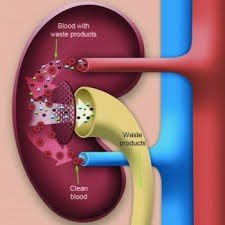
The kidneys play a vital role in filtering waste products, balancing fluids, regulating blood pressure, and maintaining healthy levels of minerals in the body. While no single food can prevent kidney disease, a balanced diet rich in nutrient-dense foods can help support normal kidney function and reduce the risk of chronic health conditions that affect the kidneys.
Health experts say healthy eating, combined with regular exercise and proper management of conditions such as diabetes and high blood pressure, is essential for protecting kidney health.
Why Diet Matters for Kidney Health
The kidneys process everything you eat and drink. A nutritious diet helps reduce the workload on these organs while supporting overall health.
Eating foods that are naturally low in sodium and rich in vitamins, minerals, antioxidants, and fibre may help lower the risk of kidney disease.

1. Blueberries
Blueberries are packed with antioxidants, particularly anthocyanins, which help protect cells from damage caused by oxidative stress.
They are also:
- Low in sodium.
- Low in phosphorus.
- Rich in vitamin C and fibre.
These nutrients make blueberries a healthy choice for overall kidney and heart health.
2. Cauliflower
Cauliflower is a nutritious vegetable that provides:
- Vitamin C.
- Folate.
- Fibre.
- Plant compounds that support overall health.
It is naturally low in potassium compared with many other vegetables, making it a suitable option for some people with kidney disease when recommended by a healthcare professional.
3. Fatty Fish
Fish such as salmon, sardines, and mackerel are rich in omega-3 fatty acids.
These healthy fats may help:
- Reduce inflammation.
- Support heart health.
- Improve blood vessel function.
Since heart disease and kidney disease are closely linked, eating fish regularly may benefit both organs.
4. Apples
Apples are rich in fibre, antioxidants, and vitamin C.
Regular consumption may help:
- Support healthy digestion.
- Improve blood sugar control.
- Reduce inflammation.
- Promote heart health.
Their fibre content also contributes to overall metabolic health.
5. Olive Oil
Olive oil is a healthy source of unsaturated fats and antioxidants.
Using olive oil instead of saturated fats such as butter may help improve heart health, which in turn supports healthy kidney function.
Foods to Limit
To help protect your kidneys, health experts recommend limiting:
- Highly processed foods.
- Foods high in salt.
- Sugary drinks.
- Excessive processed meats.
- Foods high in saturated and trans fats.
People with chronic kidney disease may also need to limit foods high in potassium or phosphorus under medical supervision.
Other Ways to Protect Your Kidneys
Healthy eating works best when combined with other healthy habits, including:
- Drinking enough water.
- Exercising regularly.
- Maintaining a healthy weight.
- Controlling blood pressure and blood sugar.
- Avoiding smoking.
- Using medications only as directed.
These lifestyle measures can significantly reduce the risk of kidney disease.
When Should You See a Doctor?
Consult a healthcare professional if you:
- Have diabetes or high blood pressure.
- Notice swelling in your feet or ankles.
- Experience changes in urination.
- Have persistent fatigue.
- Have been diagnosed with kidney disease and need dietary guidance.
A registered dietitian can also provide personalised nutrition advice for kidney health.
The Bottom Line
A healthy diet plays an important role in supporting kidney function. Foods such as blueberries, cauliflower, fatty fish, apples, and olive oil provide valuable nutrients that support overall health and may help reduce the risk of kidney disease. Combined with regular exercise, good hydration, and proper management of chronic conditions, healthy eating is one of the best ways to protect your kidneys.
Disclaimer: This article is for informational purposes only and should not replace professional medical advice. Individuals with chronic kidney disease should consult a qualified healthcare professional or registered dietitian before making significant dietary changes, as nutritional needs vary depending on the stage of kidney disease.




