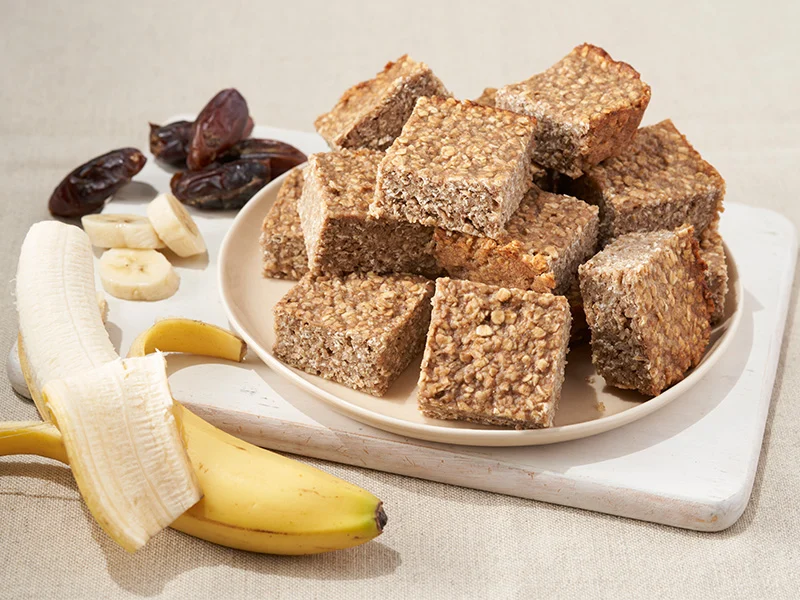
Snacking is often promoted as a smart way to maintain energy levels and prevent overeating. However, not all snacks labeled as healthy live up to their reputation. Some popular options may, in fact, work against the body’s metabolic processes particularly when consumed in excess or in highly processed forms.
Metabolism, the process by which the body converts food into energy, is influenced by the quality, composition, and timing of what we eat. Certain snack choices can lead to blood sugar spikes, hormonal imbalances, and reduced calorie burning efficiency over time.
Here are five commonly consumed healthy snacks that may be slowing down your metabolism.
1. Flavored Yogurt
Yogurt is often associated with gut health and high protein content. However, many flavored varieties contain significant amounts of added sugars. These sugars can trigger rapid spikes in blood glucose, followed by crashes that may leave you feeling tired and hungry again.

Frequent sugar spikes can also interfere with insulin sensitivity, a key factor in maintaining a healthy metabolism.
2. Granola Bars
Granola bars are marketed as convenient and nutritious, but many are highly processed and loaded with sweeteners such as honey, syrups, or refined sugar. Despite containing oats or nuts, the overall sugar content can outweigh the benefits.
This combination may promote fat storage and reduce the body’s ability to efficiently burn calories.
3. Fruit Juices and Smoothies
While fruits are naturally rich in vitamins and fiber, many packaged juices and even homemade smoothies lack adequate fiber and contain concentrated sugars. Without fiber to slow digestion, sugar enters the bloodstream rapidly.
This can lead to repeated insulin spikes, which over time may negatively affect metabolic function and energy balance.
4. Low-Fat or Fat-Free Snacks
Low-fat products are often perceived as healthier alternatives, but they frequently compensate for reduced fat by adding sugars, starches, or artificial ingredients to enhance taste.
Fat plays an important role in satiety and hormone regulation. Removing it can lead to increased hunger and overeating, both of which can slow metabolic efficiency.
5. Dried Fruits
Dried fruits are nutrient-dense but also highly concentrated in natural sugars. Because the water content is removed, it is easy to consume large quantities quickly, leading to excessive calorie and sugar intake.
This can contribute to energy imbalances and may place additional strain on the body’s metabolic processes.
The Bigger Picture: Balance Over Labels
The issue is not necessarily the foods themselves, but how they are processed and consumed. Portion size, added ingredients, and overall dietary patterns all play a role in metabolic health.
Whole, minimally processed snacks such as fresh fruits, nuts, seeds, and plain yogurt tend to support more stable blood sugar levels and sustained energy.
Supporting a Healthy Metabolism
To promote optimal metabolic function, consider the following strategies:
- Focus on whole, unprocessed foods
- Combine protein, healthy fats, and fiber in snacks
- Limit added sugars and refined carbohydrates
- Stay hydrated throughout the day
- Maintain regular physical activity
Conclusion
Foods labeled as healthy are not always beneficial in practice. Understanding how certain snacks affect the body’s metabolism can help individuals make more informed choices. Rather than relying on marketing claims, a balanced approach to nutrition remains the most effective way to support long-term health and sustained energy levels.