


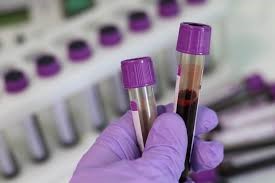
Blood tests are a fundamental part of evaluating infertility, helping doctors identify underlying health or hormonal issues that may affect a couple’s ability to conceive. These tests are often recommended after a period of unsuccessful attempts at pregnancy or when symptoms such as irregular menstrual cycles are present.
Medical experts advise consulting a fertility specialist if pregnancy has not occurred after one year of trying (or six months for individuals aged 35 and older).
Why blood tests matter
Infertility can stem from a range of causes, many of which are linked to hormone imbalances. Blood tests provide insight into how the reproductive system is functioning in both women and men, guiding diagnosis and treatment plans.
Key fertility blood tests
Anti-Müllerian Hormone (AMH)
AMH is one of the most important indicators of ovarian reserve the number of eggs remaining in the ovaries. It can be tested at any point in the menstrual cycle. Lower levels may suggest reduced egg supply, which can affect fertility treatments such as IVF, though natural conception is still possible.

Follicle-Stimulating Hormone (FSH)
FSH plays a central role in regulating the menstrual cycle and stimulating egg development. Measured early in the cycle, high levels may indicate diminished ovarian reserve or approaching menopause. It is also used in assessing sperm production in men.
Estradiol
A form of estrogen, estradiol helps evaluate ovarian function and egg quality. It is typically tested alongside FSH to provide a clearer picture of reproductive health.
Luteinizing Hormone (LH)
LH is essential for ovulation. Testing early in the cycle can help detect hormonal imbalances such as Polycystic Ovary Syndrome, while mid-cycle testing helps determine when ovulation occurs. In men, LH also supports testosterone production and sperm development.
Progesterone
This hormone prepares the uterus for pregnancy after ovulation. Measuring progesterone levels later in the cycle helps confirm whether ovulation has occurred.
Prolactin
Produced by the pituitary gland, prolactin regulates milk production. Elevated levels can interfere with ovulation and lead to infertility. Testing may also be recommended for symptoms such as nipple discharge or low sexual function.
Androgens (including testosterone)
Androgens influence sexual health in both men and women. Abnormal levels may point to conditions like PCOS or contribute to low libido and male infertility.
When to consider testing
Fertility blood tests are often recommended if:
- Pregnancy has not occurred after consistent attempts
- Menstrual cycles are irregular
- There are symptoms of hormonal imbalance
- There are concerns about sperm production or sexual health
A step toward answers
While no single test can diagnose infertility on its own, these blood tests provide valuable clues that help doctors build a complete picture of reproductive health.
With the right diagnosis, many causes of infertility can be treated or managed, offering individuals and couples a clearer path toward conception.




