


Regular health checkups play a critical role in preventing serious illnesses and detecting diseases early, often before symptoms appear. Medical experts emphasize that routine screenings can significantly reduce the risk of complications and improve treatment outcomes for many health conditions.
Despite their importance, many people only visit healthcare facilities when they are already sick, missing opportunities for early diagnosis and prevention. Preventive screenings can help identify conditions such as Hypertension, Diabetes, and Cancer before they progress into life-threatening stages.
Below are some essential health checkups that individuals should never skip.
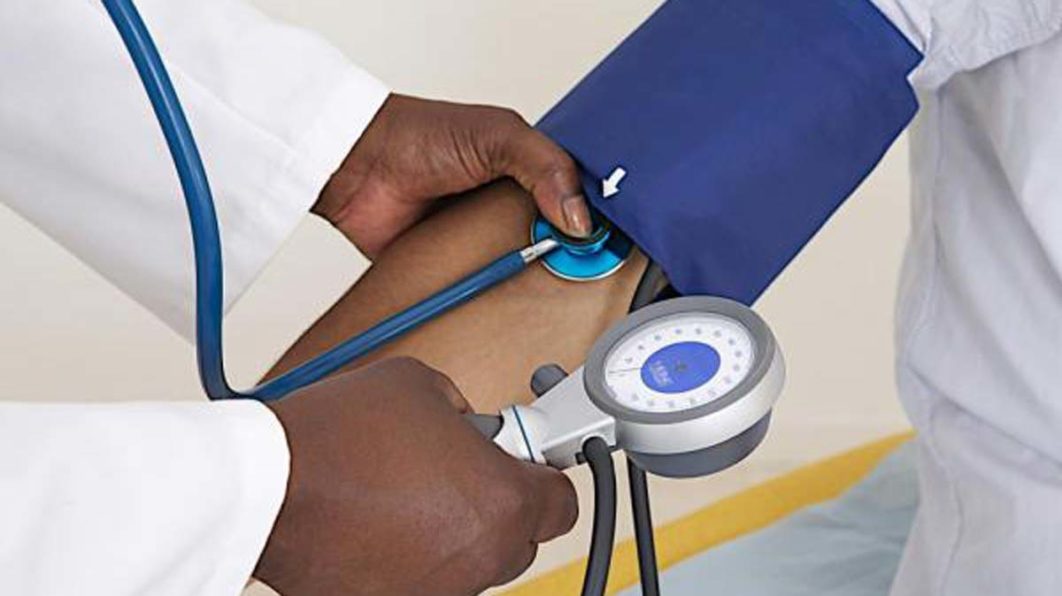
1. Blood Pressure Check

Monitoring blood pressure is one of the most important routine health checks. High blood pressure, also known as Hypertension, is often called a “silent killer” because it may not cause noticeable symptoms while damaging the heart, brain, and kidneys.
Regular checks can help detect the condition early and reduce the risk of complications such as Stroke and Heart Attack.
2. Blood Sugar Test
Testing blood glucose levels is essential for detecting Diabetes and prediabetes. Early detection allows individuals to adopt lifestyle changes or begin treatment before serious complications such as nerve damage, kidney disease, or vision problems develop.
Adults with risk factors such as obesity, family history, or sedentary lifestyle should pay particular attention to this screening.
3. Cholesterol Screening
A cholesterol test measures the levels of fats in the blood that can contribute to heart disease. High cholesterol can lead to plaque buildup in blood vessels, increasing the risk of Coronary Artery Disease and other cardiovascular problems.
Routine screening helps doctors recommend lifestyle changes or medications to manage cholesterol levels.
4. Cancer Screening
Cancer screenings are essential for detecting certain cancers at early and more treatable stages. These tests vary depending on age, gender, and risk factors.
For example, women are encouraged to undergo regular screenings for Breast Cancer and Cervical Cancer, while men may need screenings for Prostate Cancer.
5. Eye Examination
Routine eye exams are important not only for maintaining good vision but also for detecting conditions such as Glaucoma and Cataract. In some cases, eye examinations can also reveal early signs of systemic diseases like diabetes and hypertension.
Regular visits to an eye specialist can help prevent vision loss.
6. Dental Checkup
Oral health is closely linked to overall health. Regular dental examinations help detect cavities, gum disease, and infections that could lead to more serious health issues.
Poor oral health has also been associated with conditions such as Heart Disease, making dental care an important part of preventive healthcare.
7. Body Weight and Body Mass Index (BMI) Check
Maintaining a healthy body weight is essential for preventing chronic diseases. Monitoring body weight and calculating body mass index can help identify risks associated with Obesity, which is linked to diabetes, heart disease, and other health complications.
The Importance of Preventive Healthcare
Health experts stress that preventive care remains one of the most effective ways to maintain long-term wellbeing. Regular screenings allow healthcare professionals to identify potential problems early and recommend lifestyle adjustments or treatments before conditions worsen.
By prioritizing routine health checkups, individuals can take proactive steps to protect their health, reduce the risk of serious diseases, and improve their overall quality of life.

