


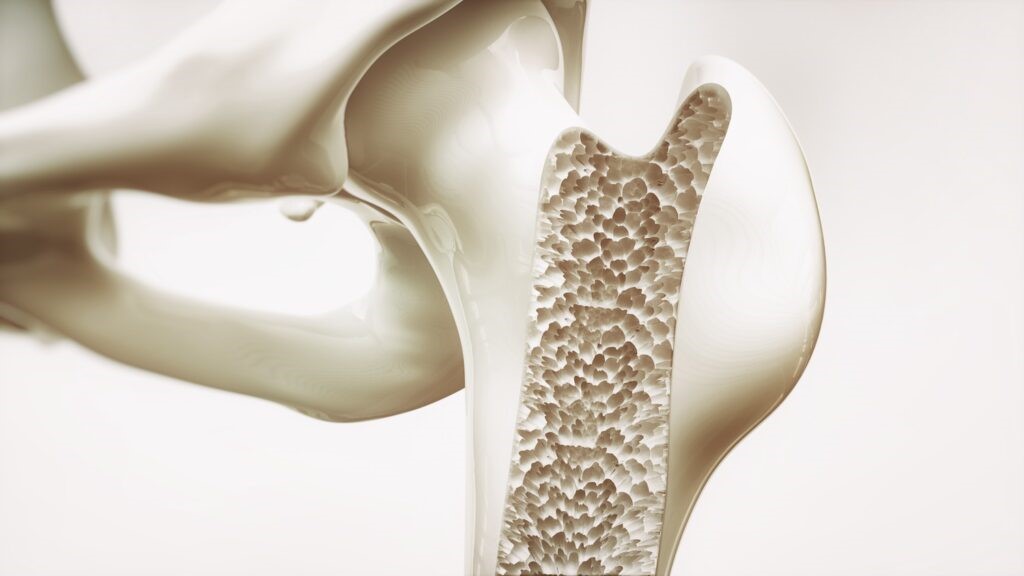
A diagnosis of Osteoporosis can be alarming, but medical experts emphasize that bones remain living, adaptable tissue. With the right strategies, it is possible to strengthen bones, slow progression, and reduce fracture risk at any age.
1. Engage in weight-bearing and resistance exercise
Physical activity is one of the most effective ways to improve bone strength. Weight-bearing exercises such as walking, dancing, and climbing stairs force bones to work against gravity, stimulating growth.
Resistance training, including lifting weights or using resistance bands, provides an even stronger signal for bone formation. Combining both types of exercise several times a week can significantly improve bone density over time.
2. Increase calcium intake through diet
Calcium is essential for building and maintaining bone structure. Adults with osteoporosis are generally advised to meet daily calcium requirements through food sources whenever possible.

Dairy products, fortified plant-based milks, leafy greens, tofu, and fish like sardines are excellent sources. Spreading calcium intake throughout the day improves absorption and supports steady bone remodeling.

3. Maintain healthy vitamin D levels
Vitamin D plays a crucial role in helping the body absorb calcium. Without it, even a calcium-rich diet may not be effective.
Sunlight exposure helps the body produce vitamin D, but many people require supplements to reach optimal levels. Blood tests can help determine whether supplementation is needed.
4. Consider medical treatment options
Medications can play an important role in managing osteoporosis, especially in moderate to severe cases. Some drugs slow bone breakdown, while others actively stimulate new bone formation.
Treatment decisions should be made in consultation with a healthcare provider, taking into account individual risk factors and overall health.
5. Avoid habits that weaken bones
Certain lifestyle habits can accelerate bone loss. Smoking, excessive alcohol consumption, and poor nutrition all negatively impact bone health.
Reducing or eliminating these factors can help preserve bone density and improve the effectiveness of other treatments.
6. Reduce fall risk
Preventing falls is critical for people with osteoporosis. Even minor falls can lead to serious fractures.
Simple measures such as improving home lighting, removing tripping hazards, wearing supportive footwear, and practicing balance exercises can significantly lower the risk.
7. Track progress with regular testing
Bone density scans, commonly known as DEXA scans, allow doctors to monitor changes in bone strength over time. These tests help determine whether current treatments are effective or need adjustment.
Regular monitoring provides a clearer picture of progress and helps guide long-term care decisions.
A proactive approach to bone health
While osteoporosis cannot always be reversed, it can be managed effectively. A combination of exercise, proper nutrition, medical care, and lifestyle adjustments can help maintain strength, mobility, and independence.
Taking small, consistent steps toward better bone health can make a meaningful difference in both quality of life and long-term outcomes.

