


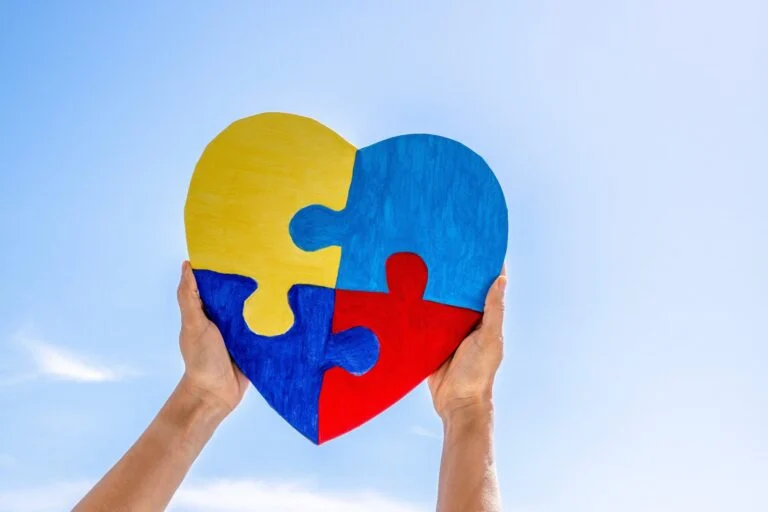
Observed annually on April 2, World Autism Awareness Day serves as a global reminder of the need to improve understanding, acceptance, and inclusion for people living with autism. The day brings together families, educators, healthcare professionals, and advocacy groups to highlight both progress and ongoing challenges.
A global call to action
This year, the World Health Organization joined voices worldwide in emphasizing the importance of building neuroinclusive systems across healthcare, education, and workplaces. The goal is not only awareness but meaningful change that supports autistic individuals in everyday life.
Autism, or Autism spectrum disorder, affects how people communicate, interact socially, and experience the world. Current estimates suggest that about 1 in 127 people globally are on the spectrum, underscoring the scale of the issue.
Persistent barriers remain
Despite growing awareness, many autistic individuals continue to face stigma, discrimination, and limited access to essential services. In many regions, timely diagnosis and quality care remain difficult to obtain, contributing to inequality that can last a lifetime.

Experts stress that addressing these gaps requires long-term investment in inclusive policies ensuring that support systems are built into society rather than added as an afterthought.
The importance of early support
Research consistently shows that early identification and intervention can significantly improve outcomes. Children who receive structured support at a young age often develop stronger communication skills, better social interaction, and greater independence.
Inclusive education also plays a key role. When properly supported, learning environments that integrate autistic and non-autistic students can benefit both groups, promoting understanding and development.
The role of caregivers
Families and caregivers remain central to the support system. Raising a child on the spectrum often requires patience, adaptability, and emotional resilience. Recognizing this, global health organizations are expanding resources and training programs designed to equip caregivers with practical tools and support.
Shifting the narrative
A growing movement is challenging outdated perceptions of autism as a deficit. Advocates emphasize neurodiversity the idea that differences in how people think and process the world are natural variations, not flaws.
Examples from specialized centers and inclusive programs worldwide show that, with the right support, autistic individuals can build meaningful skills, relationships, and independence. Even small milestones can represent significant progress.
Beyond awareness
The message of the day is clear: awareness alone is not enough. Creating a truly inclusive society requires coordinated action from policymakers and institutions to communities and individuals.
As global attention focuses on autism each year, the broader goal remains unchanged: ensuring that autistic people are supported, respected, and fully included in every aspect of life.




