


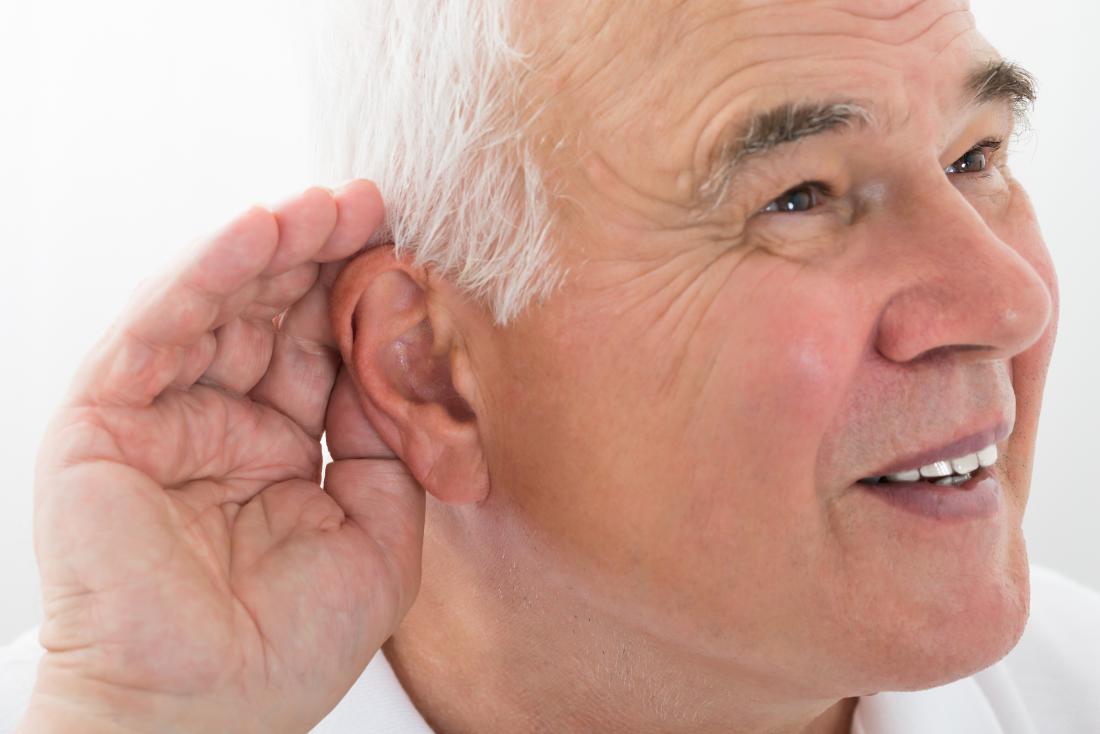
Many people assume hearing loss is simply a normal part of aging. While some changes in hearing may occur over time, health experts warn that hearing decline can sometimes point to more serious underlying health concerns.
Medical researchers say untreated hearing loss in older adults has been linked to cognitive problems, balance issues, emotional health challenges, and even cardiovascular disease. Recognizing hearing changes early may help identify broader health risks before they worsen.
1. Increased Risk of Cognitive Decline and Dementia
One of the strongest concerns surrounding hearing loss is its connection to brain health. Experts explain that when hearing becomes more difficult, the brain must work harder to process sounds and conversations.

Over time, this added strain may affect memory, concentration, and thinking abilities. Studies have linked untreated hearing loss to a higher risk of cognitive decline and dementia in older adults.
Doctors say early intervention, including hearing aids and other hearing support devices, may help reduce mental strain and support cognitive function.
2. Greater Risk of Falls and Injuries
Hearing plays an important role in balance and spatial awareness. The inner ear helps the brain understand movement and body position, meaning hearing problems may also affect stability.
Older adults with hearing loss may have a higher chance of falling due to reduced awareness of their surroundings and impaired balance signals. Falls remain one of the leading causes of injury among seniors.
Health specialists recommend regular hearing evaluations as part of overall fall prevention and healthy aging care.
3. Depression and Social Isolation
Difficulty hearing conversations can make social situations frustrating and exhausting. As a result, some older adults begin avoiding gatherings, phone calls, or public settings altogether.
Experts say this social withdrawal can increase feelings of loneliness, anxiety, and depression over time.
Improving hearing through medical treatment or assistive devices may help older adults remain socially active, maintain relationships, and support emotional well-being.
4. Possible Connection to Heart and Circulatory Problems
The inner ear depends on healthy blood circulation to function properly. Medical professionals say conditions affecting blood flow such as high blood pressure, heart disease, or narrowed arteries may also impact hearing.
Research has found links between hearing loss and cardiovascular disease, suggesting that hearing changes could sometimes serve as an early warning sign of circulation-related health issues.
Doctors encourage individuals experiencing unexplained hearing decline to discuss broader health screenings with their healthcare providers.
5. Higher Overall Health Risks
While hearing loss itself is not usually life-threatening, experts note that it is often associated with other chronic health conditions, including diabetes, heart disease, and reduced physical independence.
Hearing difficulties may also increase the likelihood of accidents, communication challenges, and delayed medical care, all of which can affect long-term health outcomes.
Why Early Attention Matters
Healthcare professionals stress that hearing loss should not automatically be dismissed as “just aging.” Prompt evaluation and treatment may improve quality of life while also helping detect underlying medical conditions earlier.
Regular hearing tests, healthy lifestyle habits, and proper medical care can support hearing health and help older adults maintain independence, safety, and overall well-being.
Experts say paying attention to hearing changes is not only about protecting the ears it may also be an important step toward protecting long-term health.




