


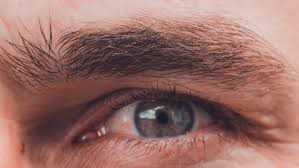
Changes in vision are often considered a normal part of aging, but eye specialists warn that some symptoms may signal serious conditions that can lead to permanent vision loss if left untreated.
Medical experts say several age-related eye diseases become more common after the age of 40, including cataracts, glaucoma, macular degeneration, diabetic retinopathy, and presbyopia. Many of these conditions develop gradually and may not show obvious symptoms in their early stages, making routine eye examinations increasingly important with age.
Common Warning Signs to Watch For
According to vision specialists, early symptoms of age-related eye problems can vary depending on the condition. Some of the most frequently reported signs include:

- Blurred or cloudy vision
- Difficulty reading small print
- Increased sensitivity to light
- Eye discomfort, burning, or dryness
- Trouble seeing clearly at night
- Flashes of light or floating spots in vision
- Reduced peripheral vision
- Difficulty distinguishing certain colors
These changes can interfere with daily activities such as reading, driving, recognizing faces, and judging distances accurately.
How Aging Affects the Eyes
Experts explain that the eyes naturally undergo physical changes over time. Tear production often decreases after age 40, increasing the likelihood of dry eyes and irritation.
The eye’s lens can gradually lose flexibility, making it harder to focus on nearby objects a condition commonly known as presbyopia. In other cases, proteins inside the lens may break down and form cataracts, leading to cloudy vision.
The gel-like substance inside the eye, called the vitreous, may also shrink with age, causing floaters or, in more serious cases, retinal detachment.
Serious Conditions Linked to Aging
Health professionals warn that some eye diseases can progress silently without noticeable symptoms until significant damage has occurred.
Glaucoma
Glaucoma damages the optic nerve and may gradually reduce peripheral vision. If untreated, it can eventually lead to blindness.
Macular Degeneration
This condition affects the central part of the retina responsible for detailed vision, making activities such as reading and recognizing faces increasingly difficult.
Diabetic Retinopathy
People living with diabetes face an increased risk of damage to the blood vessels in the retina, which may result in vision impairment or blindness if not managed properly.
Cataracts
Cataracts cause the eye’s lens to become cloudy, leading to blurred vision, glare sensitivity, and difficulty seeing at night.
The Importance of Eye Examinations
Eye specialists stress that comprehensive eye exams are one of the most effective ways to detect problems early. Routine screenings may also help identify other health conditions such as diabetes, high blood pressure, cardiovascular disease, and certain neurological disorders.
During a complete eye examination, doctors may use dilating eye drops to examine the retina and optic nerve more closely for signs of disease.
Treatment and Management Options
Treatment depends on the specific condition and its severity. Mild vision changes may be managed with prescription glasses, contact lenses, improved lighting, or lubricating eye drops.
More advanced conditions may require medications, injections, nutritional supplements, laser procedures, or surgery. Cataract surgery, glaucoma treatment, and retinal repair procedures are among the most common interventions used to preserve vision.
Although some vision damage cannot be reversed, early treatment can often slow disease progression and improve quality of life.
Steps to Protect Eye Health
Experts recommend several lifestyle habits to help support long-term vision health, including:
- Scheduling regular eye examinations
- Eating a balanced diet rich in fruits, vegetables, fish, and omega-3 fatty acids
- Managing diabetes and high blood pressure
- Wearing sunglasses to protect against UV rays
- Avoiding smoking
- Learning about family history of eye disease
When to Seek Immediate Medical Attention
Doctors advise seeking urgent medical care if symptoms such as sudden vision loss, severe eye pain, double vision, flashes of light, new floaters, or eye injuries occur.
Specialists emphasize that early detection remains one of the strongest defenses against permanent vision loss and age-related blindness.




