


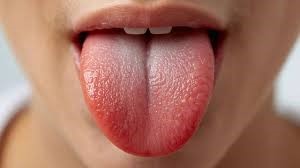
Medical experts say the tongue can provide important clues about a person’s overall health, with changes in color, texture, and coating sometimes signaling underlying medical conditions.
Although many people only notice their tongue when discomfort develops, specialists explain that subtle changes may appear long before more serious symptoms begin. Paying attention to these signs could help detect health issues earlier.
What a Healthy Tongue Looks Like
According to healthcare professionals, a healthy tongue is typically pink with a light white coating and a slightly textured surface. Significant changes in appearance or sensation may indicate that the body is responding to illness, nutritional deficiencies, infection, or other medical concerns.

Because the tongue contains many blood vessels and sensitive tissues, it often reflects internal health conditions quickly and visibly.
Color Changes and What They May Mean
Bright Red Tongue
An unusually red tongue may be linked to vitamin B12 deficiency, which affects nerve function and red blood cell production. Experts say it can also cause soreness, fatigue, and tingling sensations in the hands or feet.
Pale or Whitish Tongue
A pale tongue may suggest anemia, poor blood circulation, or oral thrush — a fungal infection that commonly causes a white coating inside the mouth.
Yellow Coating
A yellowish tongue coating may sometimes indicate digestive problems, infection, inflammation, or liver-related issues.
Purple or Dark-Colored Tongue
Doctors warn that a dark or purple-toned tongue could signal poor oxygen circulation or cardiovascular problems and should be medically evaluated, especially if accompanied by other symptoms.
Texture Changes Can Also Signal Health Problems
Smooth or Glossy Tongue
A tongue that appears unusually smooth and lacks its normal tiny bumps may point to deficiencies in iron, folate, or vitamin B12. In some cases, it may also be associated with autoimmune conditions or chronic illness.
Swollen Tongue
Tongue swelling, medically known as macroglossia, may result from allergic reactions, infections, or thyroid-related conditions. Severe swelling can interfere with breathing and requires immediate medical attention.
Cracks or Deep Grooves
Cracked or deeply grooved tongues may be linked to dehydration, nutritional deficiencies, or certain inflammatory conditions affecting the mouth.
Coating on the Tongue Matters Too
Thick White Coating
A thick white coating is commonly associated with oral thrush, poor oral hygiene, or irritation within the mouth.
Yellow or Brown Coating
Healthcare professionals say yellow or brown coatings may appear when the body is responding to infection, inflammation, or digestive stress.
Hairy or Furry Appearance
A condition known as “black hairy tongue” occurs when bacteria or fungi build up on the tongue’s surface, causing a dark, furry appearance. While often harmless, it may be linked to smoking, poor oral hygiene, or certain medications.
When to See a Doctor
Medical experts advise seeking professional care if tongue changes persist for more than two weeks or are accompanied by symptoms such as pain, swelling, difficulty swallowing, numbness, or breathing problems.
Doctors emphasize that many tongue changes are harmless, but some may be early warning signs of nutritional deficiencies, infections, or more serious health conditions.
Why Regular Self-Checks Matter
Health specialists encourage people to pay attention to changes in their mouths as part of routine self-care. Monitoring the tongue’s appearance can provide useful insight into overall health and may help identify problems before they worsen.




