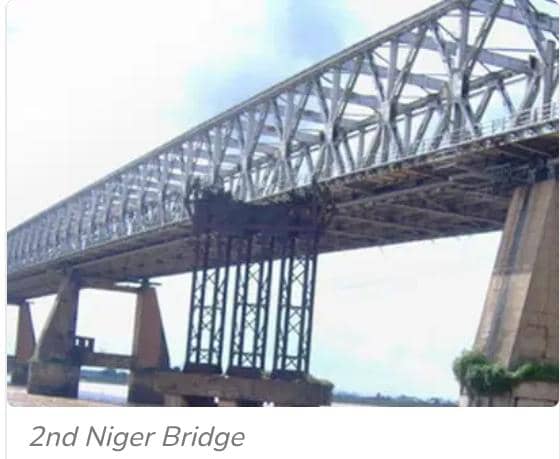
(DDM) – The Federal Government has officially commissioned a solar‑powered CCTV monitoring centre on the Second Niger Bridge in Asaba, Delta State.
DDM gathered that the commissioning ceremony took place on Friday, January 16, 2026, at the bridge’s control facility, with officials highlighting the centre’s role in enhancing security and real-time surveillance for commuters.
Minister of Works, David Umahi, stated that the solar CCTV facility is designed to strengthen security measures along the bridge corridor, improve response times to accidents, and ensure uninterrupted monitoring even during power outages.
He emphasized that the facility forms part of the government’s broader plan to modernize critical national infrastructure, reduce road incidents, and boost public confidence in the safety of transport networks.

The new system includes multiple high-definition cameras strategically positioned across the bridge to capture activities, monitor traffic flow, and detect emergencies in real time, providing law enforcement and traffic authorities with immediate intelligence.
Officials explained that continuous surveillance will allow for prompt interventions in accidents, breakdowns, or potential criminal activity, reducing response delays that have historically plagued major bridges in Nigeria.
The Federal Government described the project as a milestone in the integration of technology into national infrastructure, noting that solar power ensures resilience in areas with unreliable electricity supply.
Security analysts say the centre could serve as a model for other bridges and transport corridors in Nigeria, highlighting the importance of combining renewable energy with smart monitoring systems.
Motorists and commuters welcomed the project, noting that the installation would improve road safety, reduce traffic congestion caused by accidents, and deter criminal activity on one of Nigeria’s busiest river crossings.
Some critics, however, questioned the timing and cost of the project, suggesting that similar technology could have been deployed earlier to prevent avoidable road accidents and ensure consistent traffic management.
Historical records show that the Second Niger Bridge has been a key economic and transport link between Delta and Anambra states, handling thousands of vehicles daily, and the absence of robust monitoring has contributed to traffic accidents and congestion over the years.
The solar CCTV monitoring system is expected to collect and store data that could inform future traffic planning, emergency response strategies, and infrastructure improvements on other national highways.
Experts also noted that the centre could provide vital support for law enforcement investigations, helping identify reckless driving, theft, and other criminal activity along the bridge corridor.
The Federal Government pledged continuous upgrades and maintenance of the system, assuring the public that the project will remain operational and effective in the long term.
Once fully operational, the centre is expected to enhance commuter safety, improve traffic management, and serve as a benchmark for the application of renewable energy technology in critical infrastructure nationwide.
👇👇👇
_Become a Tech Pro! DDM Cohort 7 training starts on January 26th 2025, Secure your Spot Now! Join the registration group below:_
https://chat.whatsapp.com/El5j2EJgt3q84sWbsLhdsH