


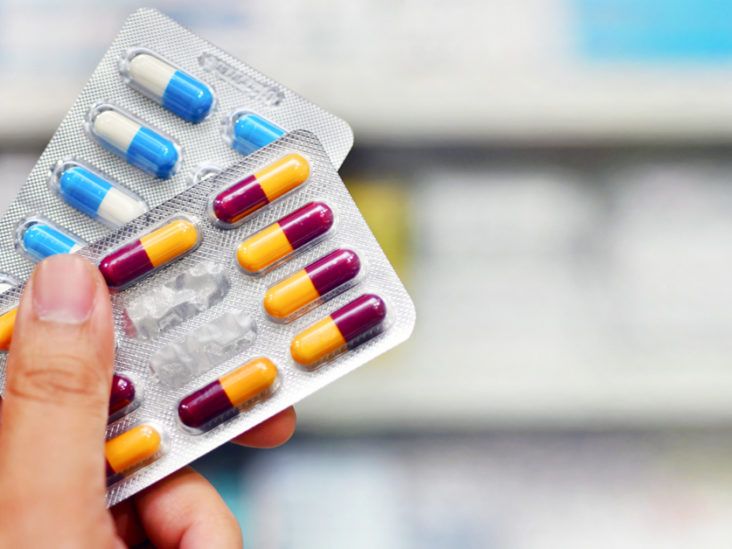
In Nigeria, self-medication has become a deeply ingrained habit. For many people, the first response to illness is not a hospital visit but a quick stop at the pharmacy or chemist. Long queues, waiting times, stress, and the cost of care often discourage people from seeking professional medical help. Instead, many Nigerians turn to past experiences, online searches, or advice from friends to diagnose and treat themselves.
This pattern has become so familiar that common symptoms are quickly labelled. A headache is assumed to be malaria. Weakness is treated with antibiotics. A fever triggers the reuse of a drug that “worked last time.” While this approach may feel convenient, it is also dangerous.
Medical experts warn that not every headache is malaria, and not every fever is caused by an infection. Some symptoms may point to more serious underlying conditions. When individuals guess their illness and treat themselves without proper diagnosis, they risk addressing the wrong problem while the real issue remains unresolved.
Many Nigerians have also experienced a situation where a drug that once worked effectively later seemed to lose its power. In such cases, the immediate assumption is often that the medication is fake. However, in many instances, the real problem is drug resistance.

Drug resistance occurs when antibiotics are used improperly or too frequently without medical guidance. Over time, bacteria adapt and learn how to survive these drugs. As a result, when antibiotics are genuinely needed to treat a serious infection, they may no longer be effective. This growing resistance is one of the most serious consequences of self-medication.
Another widespread misconception is that antibiotics can cure all illnesses. This is false. Antibiotics do not treat malaria and are ineffective against viral infections such as the flu or common cold. Using them for conditions they cannot treat only exposes the body to unnecessary medication and accelerates resistance.
There is also the dangerous habit of stopping antibiotics as soon as symptoms improve. Failing to complete a prescribed course may kill only the weaker bacteria, leaving stronger ones behind. These surviving bacteria can multiply, leading to infections that are more difficult and more expensive to treat.
Self-medication can also mask symptoms. Temporary relief may create the false impression that a problem has been resolved, while the underlying condition continues to worsen. By the time professional medical help is finally sought, the illness may have progressed to a more severe stage.
Beyond resistance and misdiagnosis, antibiotics carry potential side effects. When abused, some can damage the liver, kidneys, or digestive system. Because these drugs are easily accessible, their risks are often underestimated.
While hospital visits can be stressful and the healthcare system can be demanding, the long-term consequences of misusing antibiotics are far more costly. These consequences may include prolonged illness, higher medical bills, and in severe cases, loss of life.
Health professionals advise Nigerians to think twice before purchasing antibiotics without a prescription. Seeking proper medical advice and using antibiotics responsibly is not a sign of weakness—it is a sign of wisdom. Protecting your health today ensures a safer and healthier future.




