


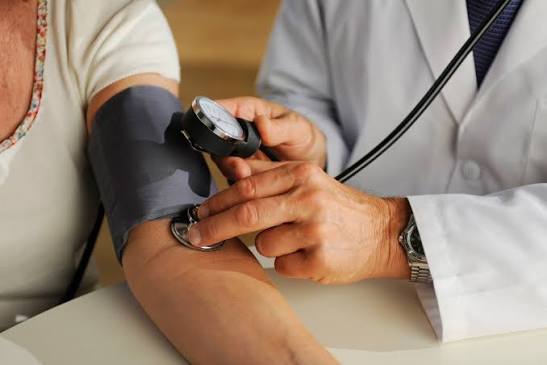
High Blood Pressure (HBP), medically known as hypertension, is fast becoming one of Nigeria’s most serious but least discussed public health threats. Health experts warn that the condition is especially dangerous because it often shows no symptoms until it has already caused severe, sometimes irreversible, damage to the body.
Across the country, thousands of Nigerians are living with high blood pressure without knowing it—going about their daily lives while the condition quietly attacks vital organs.
What Is High Blood Pressure?
High blood pressure occurs when the force of blood flowing through the arteries remains consistently higher than normal. Over time, this constant pressure damages blood vessels and places excessive strain on critical organs such as the heart, brain, kidneys, and eyes.

Medical professionals describe hypertension as a “silent killer” because many patients feel perfectly fine, even while serious internal damage is ongoing.
Why It Should Not Be Ignored
When left untreated, high blood pressure can lead to life-threatening complications, including:
Stroke
Heart failure
Kidney disease
Loss of vision
Sudden death
Doctors warn that many cases of sudden collapse or unexplained death are often linked to undiagnosed or poorly managed hypertension.
Common Causes in Nigeria
Several lifestyle and genetic factors contribute to the rising cases of high blood pressure in Nigeria. These include:
Excessive salt consumption, common in many local diets
Chronic stress
Poor sleep habits
Alcohol intake and smoking
Overweight and obesity
Family history of hypertension
Physical inactivity
Warning Signs Often Overlooked
Although most people experience no symptoms, some individuals may notice:
Frequent or persistent headaches
Chest pain
Dizziness
Blurred vision
Shortness of breath
Health experts caution that waiting for symptoms before seeking medical attention can be dangerous.
How to Prevent and Control High Blood Pressure
Medical practitioners advise Nigerians to take proactive steps to prevent or manage hypertension:
Reduce salt intake
Check blood pressure regularly
Engage in physical activity at least three to four times a week
Eat more fruits and vegetables
Manage stress effectively
Avoid smoking and limit alcohol consumption
Take prescribed medications consistently,
High blood pressure is no longer a disease of old age. Increasingly, young adults in their 20s and 30s are being diagnosed with hypertension. Health experts emphasize that knowing your blood pressure numbers and taking early action can save lives.
In a country where many deaths are preventable, regular blood pressure checks could make the difference between life and death.




