


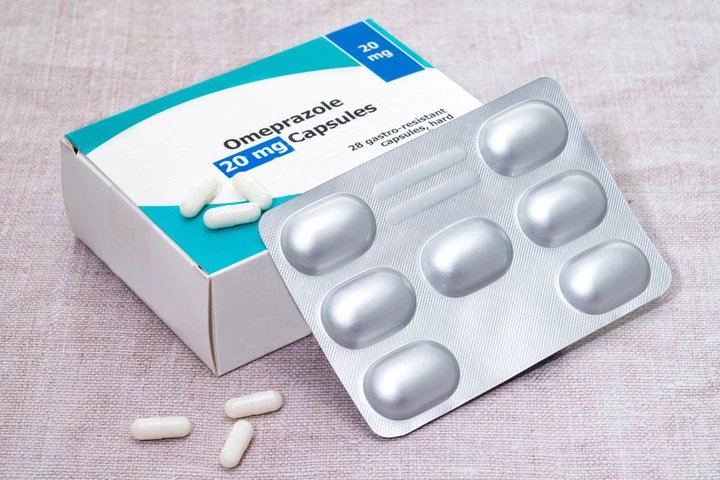
(DDM) – Health professionals have raised concerns about common mistakes people make when taking acid reflux medication, noting that incorrect timing can reduce effectiveness and lead to complications.
Pharmacist Anum explained that proton pump inhibitors (PPIs), such as omeprazole, lansoprazole, and pantoprazole, are designed to block acid pumps in the stomach, which are most active during meals.
As a result, taking these medications at the wrong time, such as after food or randomly throughout the day, can make them far less effective.
To maximise the benefits, PPIs should be taken 30 to 60 minutes before a meal, ideally before breakfast if only taken once daily. For twice-daily dosing, the second dose should be 30 to 60 minutes before dinner.

Timing is considered critical because medication must be active when acid production peaks in the stomach, ensuring proper relief from reflux symptoms.
In addition, antacids, another common treatment for acid reflux, work best about an hour after meals or at bedtime, rather than before eating.
Pharmacists advise that PPIs should be taken consistently at the same time each day to maintain therapeutic effectiveness.
Patients are warned against abruptly stopping reflux medications, as doing so can trigger a “rebound” effect, where heartburn symptoms increase sharply.
Another key caution is to avoid taking other medicines within two to four hours of an antacid, as this can interfere with drug absorption and reduce effectiveness.
Pharmacist Anum emphasised the importance of following medical guidance when adjusting dosage, timing, or medication type.
Individuals experiencing ongoing symptoms or complications are encouraged to consult their GP or pharmacist for professional advice before making any changes.
Proper adherence to timing rules, she noted, can dramatically improve the efficacy of reflux treatment and prevent unnecessary discomfort or health risks.
Health authorities continue to stress that patient education on medication timing is essential to managing gastroesophageal reflux disease (GERD) and related conditions safely and effectively.
Following these guidelines helps ensure that acid reflux medications provide maximum relief, improve quality of life, and reduce the likelihood of long-term complications from unmanaged stomach acid.
This guidance is particularly important as millions of patients rely on PPIs and antacids worldwide to manage heartburn, indigestion, and other gastrointestinal issues.
Correct use of these medications, paired with lifestyle modifications, remains a cornerstone of effective acid reflux management.




