


(DDM) – Dubai’s image as a glittering sanctuary for the world’s ultra-wealthy is facing one of its most severe tests in decades, as escalating regional conflict pushes affluent residents to pay staggering sums for emergency exits from the Gulf hub.
The crisis follows intensified military exchanges involving Iran, the United States and Israel, which have triggered widespread disruption to Middle East airspace and shaken confidence in the region’s security architecture.
The Dubai, part of the United Arab Emirates, has long marketed itself as a haven of stability in an often volatile neighborhood.
Low taxation, luxury real estate, high-end tourism and business-friendly regulations have drawn billionaires, celebrities and investors from across Europe, Asia and Africa.

But that aura of predictability is now under strain.
Since the weekend, the UAE has reportedly been targeted by more than 800 drones and 200 missiles in what officials describe as retaliatory strikes linked to escalating hostilities with Iran.
Airports and oil installations have been among the sites affected.
At least three people have been reported killed.
Partial airspace closures have led to thousands of delayed and cancelled flights, marking one of the most serious disruptions to global aviation since the COVID-19 pandemic.
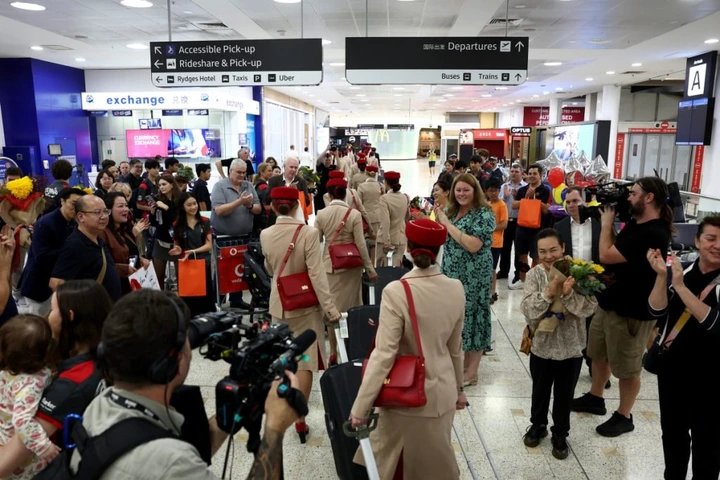
At Sydney Kingsford Smith International Airport, passengers arriving from Dubai described chaotic scenes and emotional reunions as families scrambled to relocate.
Among those fleeing is a Turkish mother of two identified as Evrim, who said her family decided to leave after missile debris sparked a fire near their home on Palm Jumeirah.
Palm Jumeirah, the man-made island synonymous with Dubai’s opulence, has become a symbol of both ambition and vulnerability.
Evrim and her family reportedly paid $200,000 to charter a private flight from Muscat to Geneva.
To reach Muscat, they drove six hours across desert highways after crossing into Oman.
Private jet brokers say demand has surged sharply.
Glenn Phillips of Air Charter Service confirmed that evacuation flights are being arranged primarily from Oman, as commercial routes shrink and aircraft availability tightens.
He noted that costs are rising due to grounded fleets and security concerns among operators.
Congestion at border crossings has compounded the urgency.
Travelers report waiting several hours to exit the UAE by road.
Luxury chauffeur services in Dubai also report increased bookings for cross-border journeys into Saudi Arabia, where airports remain operational.
However, visa requirements pose an additional hurdle for some evacuees.
While the super-rich can afford six-figure evacuation packages, expatriates on modest incomes face steeper obstacles.
One British expatriate told reporters he struggled to secure commercial seats from Muscat for his pregnant wife and young child, citing soaring prices and vanishing availability.
They eventually booked onward travel via India before planning to relocate temporarily to Thailand.
Dubai’s skyline, crowned by the Burj Khalifa, has for years symbolized resilience and ambition.
The city hosts sprawling malls, indoor ski slopes and vast theme parks, reinforcing its brand as a secure global crossroads.
Yet analysts say the current exodus underscores how quickly geopolitical tensions can unsettle even the most fortified economic hubs.
Foreign governments including Britain and Germany have begun organizing evacuation flights from Oman to assist their nationals.
The unfolding crisis highlights broader questions about the sustainability of Gulf cities’ security-dependent growth models.
For now, many evacuees insist their departure is temporary.
Some describe Dubai as home and express intentions to return once hostilities subside.
But as missiles streak across Gulf skies and airspace remains uncertain, the world’s playground for the ultra-wealthy is confronting a stark new reality — safety, once assumed, now comes at a premium.




