


(DDM) – After years of living in and traveling through some of the largest metropolitan areas in the United States, one seasoned traveler says it is America’s small towns, not its sprawling cities, that have left the most lasting impression.
From California wine country to alpine-themed villages in the Pacific Northwest, these destinations offer what major cities often cannot: slower rhythms, intimate communities and distinctive local character.
In Paso Robles, located along California’s Central Coast, visitors are greeted with rolling vineyards, farm-to-table cuisine and a relaxed atmosphere that contrasts sharply with the fast pace of Los Angeles or San Francisco.
Paso Robles has quietly built a reputation as a serious wine destination.

The region boasts more than 200 wineries and is known for Rhône-style blends and bold Zinfandels.
Beyond wine tasting, the town’s downtown square features locally owned restaurants, artisan shops and historic architecture.
Travelers often describe it as offering the sophistication of Napa Valley without the same level of crowds or pricing pressures.
On the opposite side of the country, Ephrata provides a different type of escape.
Located in Lancaster County, about an hour and a half from Philadelphia, Ephrata embodies small-town Pennsylvania charm.
The area is steeped in colonial and Amish heritage, with covered bridges, farmland vistas and quiet streets replacing the urban noise of nearby cities.
Visitors say the calm atmosphere can feel like stepping into a simpler era.
Local bakeries, markets and community events reinforce a sense of tradition that feels increasingly rare in larger metropolitan areas.
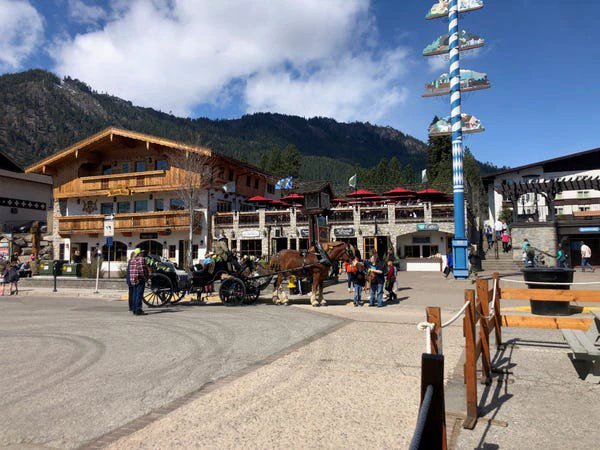
Meanwhile, in the Pacific Northwest, Leavenworth offers what many describe as a European-style retreat tucked into the Cascade Mountains.
With a population of roughly 3,000 residents, Leavenworth has fully embraced a Bavarian alpine theme.
The transformation began in the 1960s as a tourism revitalization strategy, reshaping building facades and branding the town around German heritage.
Today, its downtown features beer gardens, bratwurst restaurants and even a nutcracker museum.
The architecture mirrors that of a Bavarian village, with timber-framed buildings and decorative balconies.
Visitors arriving from Seattle, just a three-hour drive away, often remark on how dramatically the landscape shifts from urban waterfront to farmland and alpine scenery.
Snow-capped peaks and open meadows frame the town, enhancing its storybook appeal.
Accommodation options, such as the quaint Abendblume Inn, reinforce the European aesthetic, offering mountain views and continental-style breakfasts.
Leavenworth is widely known for its Christmas festivals, but off-season visits reveal a quieter charm.
One popular attraction is a local reindeer farm, where guests can interact with and feed the animals.
Travel writers say visiting outside peak tourist months provides a more intimate experience while preserving the town’s distinctive character.
The broader appeal of these small towns lies in contrast.
While major American cities offer cultural institutions, nightlife and economic opportunity, smaller communities often deliver authenticity, accessibility and scenic beauty.
In an era when remote work allows greater geographic flexibility, some travelers and residents alike are reconsidering what they value in a place to live or visit.
For many, these six small towns demonstrate that charm, culture and quality of life are not confined to skyscrapers and crowded streets.
Instead, they are found in vineyard-lined backroads, quiet main streets and alpine villages that feel worlds away, even when they are just a short drive from America’s biggest cities.




