


Two foreign fuel tankers have been hit by explosions in the Persian Gulf, raising fresh fears about global energy supplies as the war involving Iran, United States, and Israel intensifies.
Authorities say the incident occurred near the Iraqi port of Umm Qasr in Iraq, where one person was killed while 38 others were rescued after the vessels were damaged by explosions.
According to reports from Reuters and CNN, the attack appeared to involve Iranian explosive-laden boats targeting the fuel tankers.
Images and ship-tracking data showed several rescue vessels surrounding the burning ships as emergency teams worked to control the situation.

Following the blasts, Iraqi authorities temporarily halted operations at nearby oil ports, raising further concern about disruptions to global oil supply.
The attack comes amid growing instability in the Strait of Hormuz, a critical maritime corridor through which about 20% of the world’s oil shipments normally pass.
Maritime authorities earlier reported that three cargo vessels were struck by “unknown projectiles” in the strait.
One of the ships, a Thai-flagged vessel, caught fire after being hit about 11 nautical miles north of Oman, but all 23 crew members were rescued by the Royal Thai Navy.
Another Japanese-flagged container ship was damaged roughly 25 nautical miles off the coast of the United Arab Emirates, while a third vessel was struck about 50 nautical miles northwest of Dubai.
Separately, the United Kingdom Maritime Trade Operations reported that a projectile hit a container ship about 35 nautical miles off the coast of Jebel Ali in the United Arab Emirates, though all crew members were safe.
Iran claimed responsibility for one of the incidents, saying the vessel ignored warnings issued by its forces.
Global Oil Supply at Risk
The attacks highlight growing risks to the world’s energy supply as fighting spreads across the Middle East.
In response to the escalating crisis, the International Energy Agency announced that 32 countries agreed to release 400 million barrels of oil from strategic reserves to stabilise markets.
IEA Executive Director Fatih Birol said the move was necessary due to the “effective closure” of the Strait of Hormuz following the conflict.
Oil prices have surged sharply since hostilities began after U.S. and Israeli strikes on Iran last month.
Iran Warns Oil Could Hit $200 Per Barrel
Iranian military spokesperson Ebrahim Zolfaqari warned that the instability could send oil prices soaring.
“Get ready for the oil barrel to be at $200,” he said, blaming regional instability on the actions of the United States and its allies.
Iran has previously vowed it would block oil shipments heading to the U.S., Israel and their partners through the Strait of Hormuz.
The conflict is spreading beyond the Gulf.
Iran’s Islamic Revolutionary Guard Corps said it launched a new wave of retaliatory attacks targeting U.S. military bases in Qatar, Kuwait and Iraq.
Meanwhile:
-
Saudi Arabia reported intercepting seven ballistic missiles heading toward the Prince Sultan Air Base.
-
Two drones were intercepted near Dubai International Airport, injuring four people.
-
Drone strikes hit fuel storage tanks in Salalah, Oman.
-
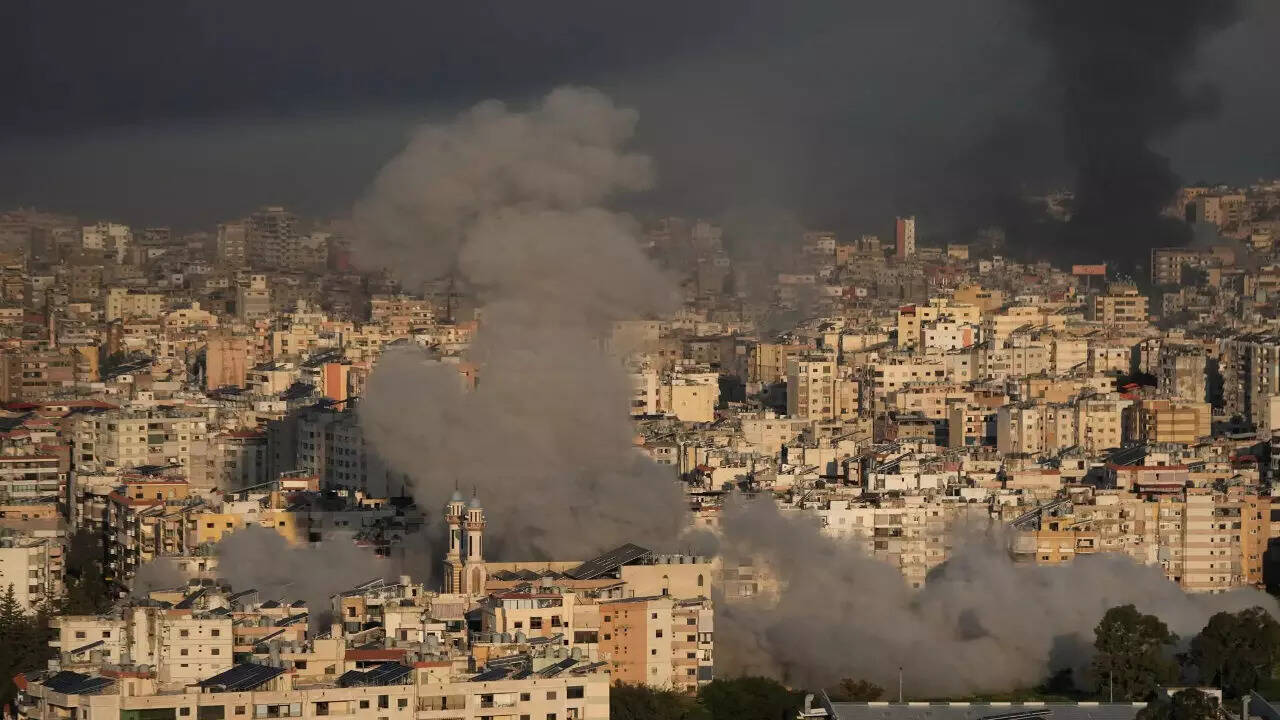
Israel Defense Forces carried out airstrikes on Hezbollah targets in Beirut, Lebanon.
Lebanon’s health ministry reported seven deaths and 23 injuries after strikes in the Bekaa Valley.
The crisis also comes amid uncertainty over the condition of Iran’s newly appointed supreme leader, Mojtaba Khamenei, who reportedly succeeded his father after he was killed in the initial U.S.–Israeli strikes.
Israeli officials say he may have been lightly wounded during recent attacks, though Iranian sources claim he is safe.
Leaders of the Group of Seven countries said they are considering naval escorts for commercial vessels once security conditions allow.
Meanwhile, the United States Central Command warned civilians to stay away from Iranian ports along the Strait of Hormuz, accusing Tehran of using them for military operations.
With tanker attacks, missile strikes, and threats to close the world’s most important oil shipping lane, the conflict is now directly threatening global energy supply and international shipping routes, raising fears of a wider regional war.




