



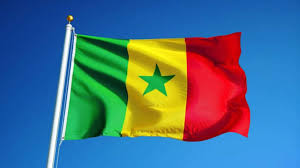
Lawmakers in Senegal have passed a new law increasing penalties for same-sex relations, doubling the maximum prison sentence to 10 years amid a wider crackdown on the country’s LGBTQ community.
The legislation was approved by the National Assembly of Senegal with 135 votes in favour, none against and three abstentions after hours of debate.
Under the new measure, what the law describes as “acts against nature” a term used to refer to same-sex relations will now carry prison sentences ranging from five to 10 years, compared with the previous one to five years.
The bill will take effect once it is signed into law by President Bassirou Diomaye Faye.
In addition to tougher prison terms, the legislation introduces new offences targeting individuals who promote, advocate for, or financially support same-sex relationships, with penalties of three to seven years in prison.
The law also significantly increases fines linked to such offences. Financial penalties will now range between two million and 10 million CFA francs (approximately $3,500 to $17,600), compared with earlier fines of 100,000 to 1.5 million CFA francs.
However, the law also includes a provision penalising individuals who falsely accuse others of same-sex activity without evidence.
The legislation comes amid a series of arrests across the country.
Media reports indicate that dozens of men have been detained under Senegal’s anti-LGBTQ laws since February.
In one widely reported incident, police arrested 12 men, including two local celebrities.
During parliamentary debate, lawmaker Diaraye Ba declared that homosexuals would no longer have freedom of expression in the country, remarks that were met with applause from some lawmakers.
The bill was presented to parliament by Prime Minister Ousmane Sonko, who had previously pledged to strengthen laws against homosexuality.
However, the legislation maintains the offence as a misdemeanour, prompting criticism from some opposition figures who say the government did not go far enough.
In recent weeks, social media in Senegal has been flooded with hostile messages targeting individuals suspected of same-sex relationships, with some calling for people to publicly expose those accused.
Advocacy groups say arrests have sometimes followed accusations or searches of personal mobile phones.
The debate over LGBTQ rights remains highly sensitive in the Muslim-majority West African country, where religious organisations have staged demonstrations calling for stricter punishments.
Across the continent, laws criminalising same-sex relations remain widespread.
According to rights groups, more than 30 African countries maintain legal penalties for same-sex relationships, with some states imposing extremely harsh punishments.
In Uganda, Mauritania and Somalia, the death penalty can be applied in certain cases.

