The impact of the Middle East conflict is now being felt far beyond the battlefield, with disruptions to energy shipments through the Strait of Hormuz beginning to affect everyday life in India.
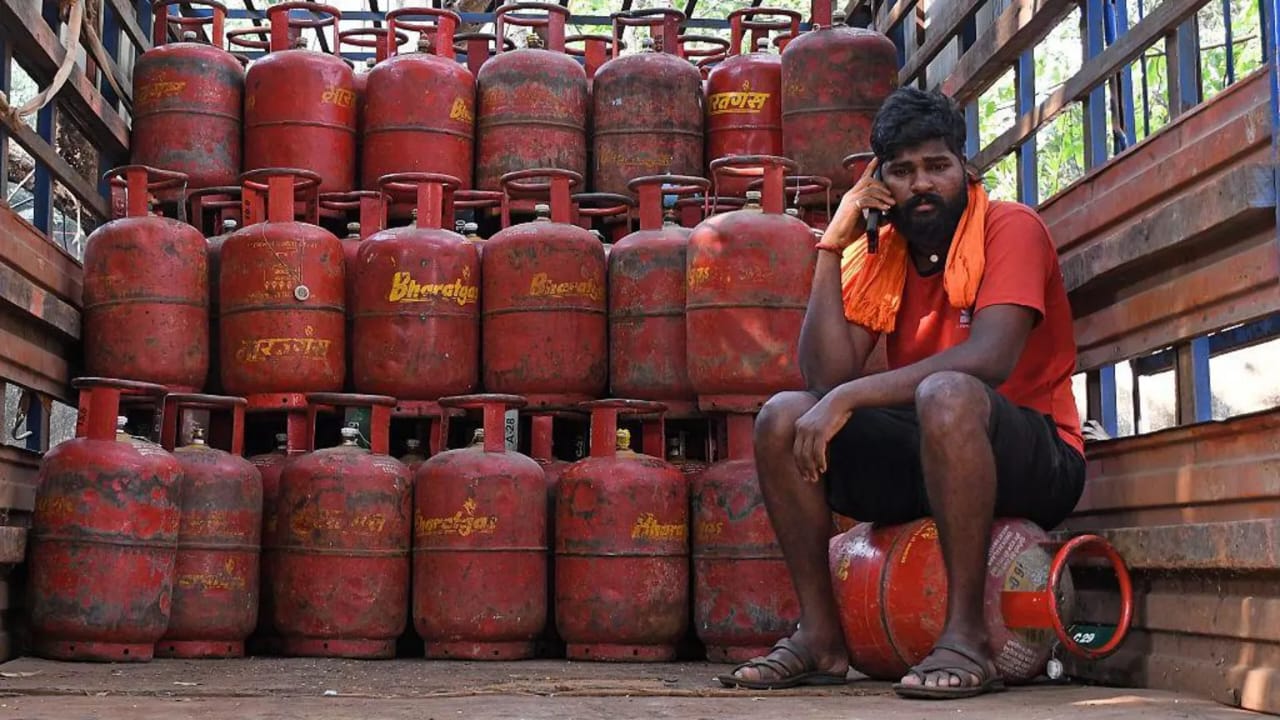
As fighting between United States, Israel and Iran continues, supplies of liquefied petroleum gas (LPG) used for cooking are tightening across India, forcing restaurants to cut services, shorten operating hours and in some cases shut down entirely.
Restaurants Hit Hardest
Restaurant operators say the shortage of commercial cooking gas is already disrupting the food service industry.
Manpreet Singh of the National Restaurant Association of India said many restaurants rely on commercial LPG cylinders or piped gas to run their kitchens.

“The situation is dire. Cooking gas simply isn’t available,” Singh said, noting that several eateries across the country have temporarily closed.
He said some restaurants have switched to alternatives such as coal, firewood and electric cookers in order to keep their businesses running.
Reports from Mumbai indicate that up to 20 percent of hotels and restaurants have either fully or partially shut down as LPG supplies tighten.
In southern cities including Bengaluru and Chennai, restaurant owners say their remaining gas supplies are nearly exhausted.
Haroon Sait, who runs a bakery and restaurant chain in Bengaluru, said the situation had forced some establishments to drastically limit their services.
“We can only make coffee and nothing else,” he said. “Businesses are going to suffer.”
Operators across the country are adjusting by shortening opening hours, limiting menu options or operating only during dinner hours.
The shortages have also triggered anxiety among consumers.
Videos circulating online show long queues outside cooking gas distribution centres in several cities as households rush to secure supplies.
India has more than 300 million domestic LPG users, making cooking gas one of the most widely used household fuels in the country.
However, government officials insist there is no nationwide shortage.
According to the Ministry of Petroleum and Natural Gas, supplies are being redirected to ensure households continue receiving cooking gas despite the international crisis.
Officials said refineries were ordered on March 8 to maximise LPG production, increasing domestic output by about 25 percent.
Priority is currently being given to domestic users and essential sectors such as hospitals and educational institutions.
Sujata Sharma said panic buying and misinformation were contributing to public concern.
“The normal delivery cycle for domestic LPG remains about two-and-a-half days,” she said.
India remains highly exposed to disruptions in global energy markets.
The country imports around 90 percent of the oil it consumes, and roughly half of its crude imports pass through the Strait of Hormuz, a strategic shipping corridor connecting the Gulf to global markets.
Most of these imports come from Iraq, Saudi Arabia, United Arab Emirates and Kuwait.
Despite the risk to crude supplies, analysts say India may be able to cushion some of the impact by increasing imports from Russia, which has been selling discounted oil to the country.
According to analyst Sumit Ritolia of Kpler, additional Russian shipments could help offset part of the supply gap caused by disruptions in the Gulf.
However, experts warn that cooking gas remains the most vulnerable fuel.
India consumes about one million barrels of LPG daily, but domestic production meets only 40 to 45 percent of that demand.
The remaining supply must be imported — and up to 90 percent of those imports pass through the Strait of Hormuz.
Even if refineries increase LPG production, analysts say domestic output could only rise to around 50 percent of demand, leaving the country still heavily reliant on overseas supplies.
Industry groups have also raised concerns about black-market trading of LPG cylinders.
Singh accused some retailers of hoarding supplies and selling them at inflated prices.
“Retailers are misusing the situation,” he said, adding that reports have emerged of cylinders being stockpiled and sold at premium rates in some towns.
For now, officials say India’s broader fuel supplies remain stable, but analysts warn that prolonged disruption in the Strait of Hormuz could intensify shortages and push energy prices higher in the weeks ahead.