


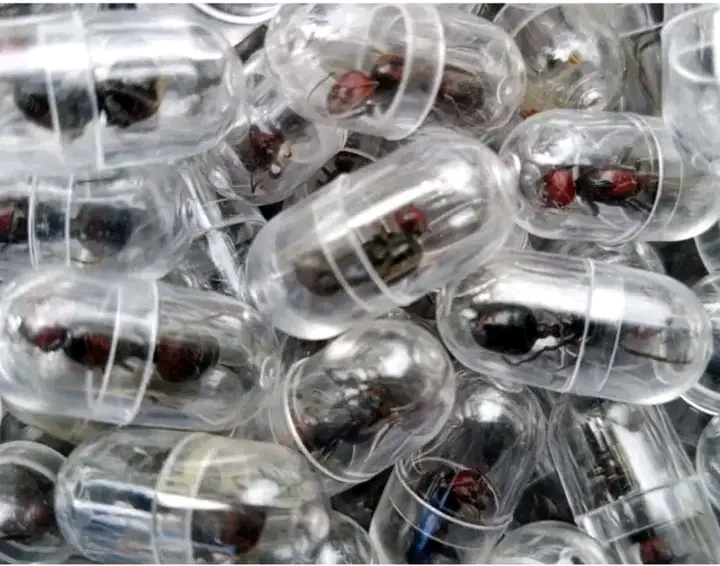
(DDM) – Kenyan authorities arrested a Chinese national at Jomo Kenyatta International Airport in Nairobi for attempting to smuggle over 2,000 queen garden ants out of the country.
Officials say the individual was intercepted during a routine security check before departure, with the queen ants found concealed in luggage.
Why this matters
Queen ants are critical for sustaining ant colonies, and their illegal export can disrupt local ecosystems and agricultural environments.

Authorities warn that smuggling of live insects poses risks to biodiversity, as non-native species can threaten native flora and fauna if introduced elsewhere.
Legal implications
Under Kenyan law, the export of protected or regulated species without authorization is a criminal offense, subject to fines and imprisonment.
Officials confirmed that the suspect is now in custody and will face prosecution in line with Kenya’s wildlife and biosecurity regulations.
Government response
The Kenya Wildlife Service (KWS) emphasized that this seizure reflects ongoing efforts to protect the country’s biological resources and prevent illegal wildlife trafficking.
KWS spokesperson noted that the operation underscores the importance of airport inspections and cooperation between customs, aviation security, and wildlife authorities.
Global context
Wildlife smuggling is a global issue, often driven by demand for exotic pets, scientific research, or commercial trade. Authorities worldwide have increased scrutiny on live animal shipments to protect ecosystems and prevent biosecurity risks.
Experts highlight that even small organisms, such as queen ants, can have far-reaching ecological consequences if released into non-native environments.
The case continues to be investigated, and authorities are reviewing how the attempt was coordinated to strengthen measures against future smuggling attempts.




