


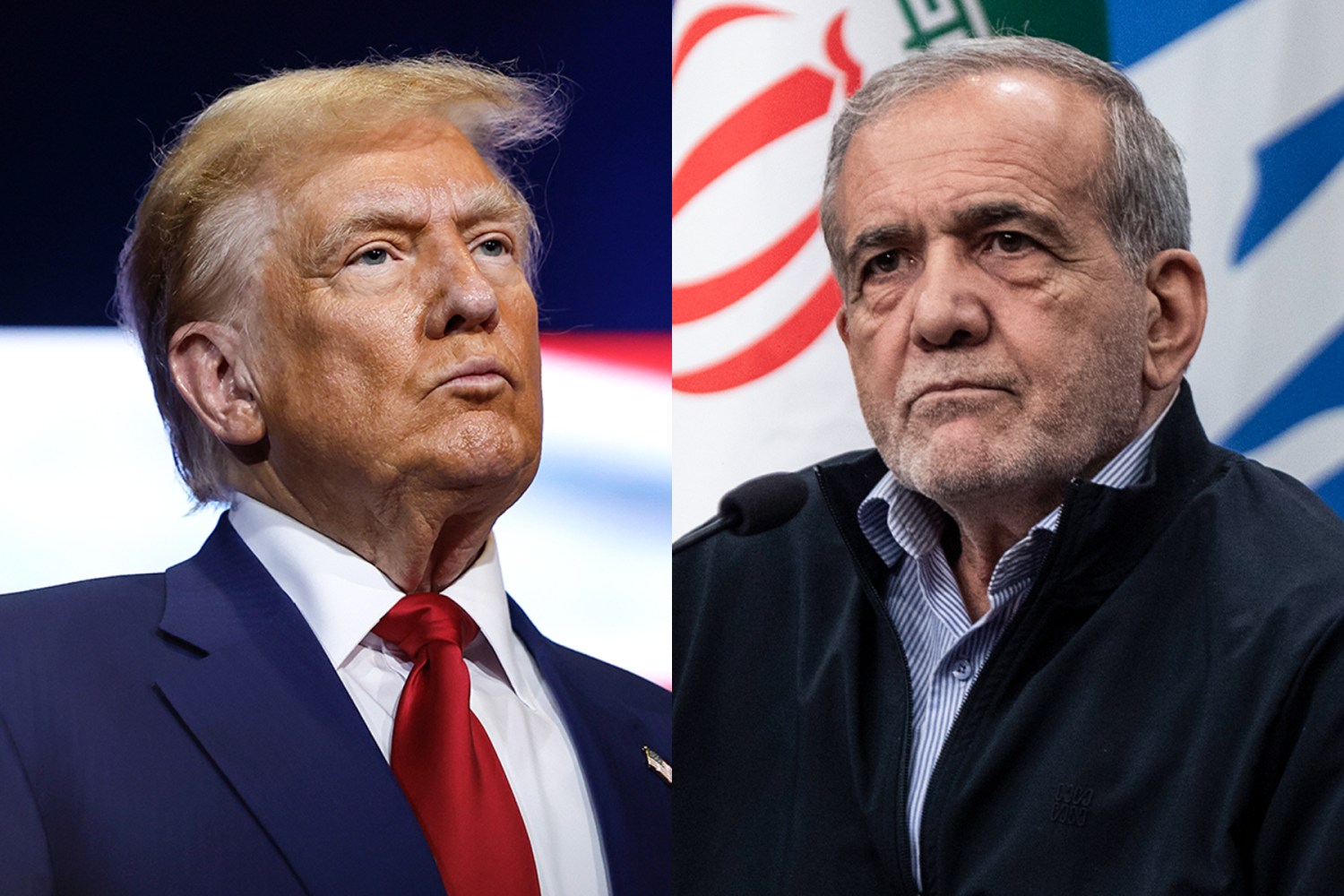
Iran has warned other nations against becoming involved in its ongoing conflict with the United States and Israel, cautioning that further participation by foreign powers could escalate the war across the Middle East.
The warning came on Sunday as reports emerged that a military base in Kuwait hosting American and Italian troops had been targeted in a drone attack.
Iran’s Foreign Minister, Abbas Araghchi, said Tehran had evidence that US bases located in neighbouring countries were being used to launch attacks against Iran.
Writing on social media platform X, Araghchi urged regional governments to expel foreign forces from their territories, arguing that the presence of external troops was increasing tensions rather than providing security.

“This war will end when we are certain that it will not be repeated and that reparations will be paid,” Araghchi said in an interview with Arabic-language news platform Al-Araby Al-Jadeed.
The warning came as Italy confirmed that a drone strike targeted the Ali Al Salem Air Base in Kuwait.
According to the Italian military, the attack destroyed an unmanned aircraft belonging to Italy but caused no casualties.
Italy’s Foreign Minister, Antonio Tajani, downplayed the incident, saying the country was not directly involved in the war.
“We are not at war with anyone,” Tajani said.
This marked the second reported attack on an Italian military facility in the Middle East within a week.
Meanwhile, authorities in Baghdad said rockets struck the city’s international airport, injuring five people.
The airport complex houses a US diplomatic facility, making it a potential target amid escalating regional tensions.
The conflict has intensified global concerns about energy supplies after Iran threatened shipping through the Strait of Hormuz, a strategic waterway through which roughly 20 per cent of the world’s oil and gas exports normally pass.
The disruption has already pushed global oil prices sharply higher.
US President Donald Trump has called on several countries including China, France, Japan, South Korea and the United Kingdom to deploy naval forces to help protect oil tankers passing through the strait.
However, the governments mentioned have so far responded cautiously.
Britain’s government said it was discussing possible measures with allies to safeguard maritime shipping, while Energy Security Minister Ed Miliband told the BBC that efforts should focus on reducing tensions.
“The plan now has to be to de-escalate the conflict,” Miliband said.
Japan and South Korea also indicated that they were carefully reviewing the situation, noting that sending naval forces to the region would require meeting strict legal conditions.
Global oil prices have surged by about 40 per cent since the conflict escalated, following Iran’s threats against shipping routes and attacks on energy facilities in Gulf countries.
In response, the International Energy Agency said its member states had agreed to release 400 million barrels of oil from strategic reserves to stabilise markets.
The war began on February 28 following joint US-Israeli strikes that killed Iran’s supreme leader, Ali Khamenei, triggering retaliatory actions by Tehran.
According to figures released by Iran’s health ministry, more than 1,200 people have been killed in US and Israeli strikes since the conflict began, although the numbers have not been independently verified.
The United Nations High Commissioner for Refugees estimates that up to 3.2 million people have been displaced by the fighting.
The Pentagon says US and Israeli forces have struck more than 15,000 targets inside Iran during the campaign.
Despite the continued tensions, daily life in Tehran appeared to be gradually returning to normal.
Traffic increased across the capital and some cafés and restaurants reopened. More than a third of stalls in the Tajrish Bazaar, a popular shopping district, resumed operations ahead of the upcoming Persian New Year celebrations.
Residents were also seen queuing at automated teller machines to withdraw cash following disruptions to online banking services in recent days.




