


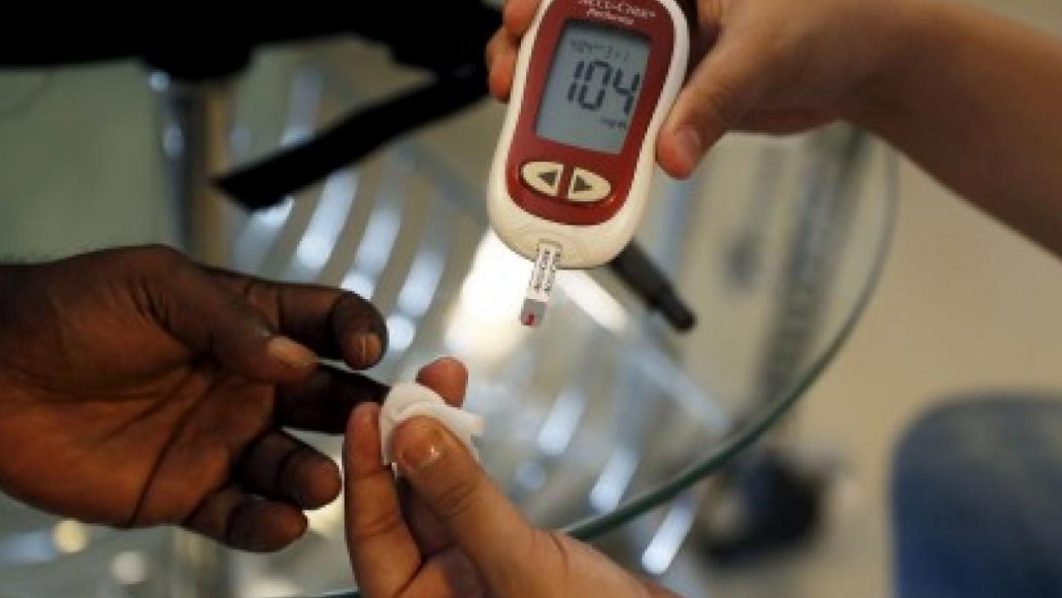
Diabetes is a growing global health concern affecting millions of people. Health experts warn that many individuals live with the condition for years without knowing it, allowing the disease to quietly damage important organs such as the heart, kidneys, eyes, and nerves.
According to the World Health Organization, diabetes is one of the most common chronic diseases worldwide and continues to rise due to unhealthy diets, physical inactivity, and increasing obesity rates.
Doctors emphasize that recognizing early warning signs can help people seek medical care sooner and prevent serious complications. Here are six early symptoms of diabetes that should never be ignored.
1. Frequent Urination
One of the most common early signs of diabetes is the need to urinate more often than usual, especially at night. This happens because the body tries to remove excess sugar from the bloodstream through urine.

2. Excessive Thirst
People with diabetes often feel unusually thirsty. As the body loses more fluids through frequent urination, it tries to replace the lost fluids, leading to constant thirst.
3. Unexplained Weight Loss
Sudden weight loss without dieting or increased physical activity may also be a warning sign. When the body cannot properly use glucose for energy, it begins to break down fat and muscle for fuel.
4. Extreme Hunger
Despite eating regularly, people with diabetes may feel constantly hungry. This occurs because the body’s cells are unable to absorb enough glucose for energy.
5. Blurred Vision
High blood sugar levels can affect the eyes by causing swelling in the eye lenses, leading to blurry or distorted vision.
6. Slow-Healing Wounds
Cuts, bruises, or infections that take longer than usual to heal may be another sign of diabetes. High blood sugar can weaken the immune system and reduce the body’s ability to fight infections.
Why Early Detection Matters
Health professionals stress that early diagnosis plays a critical role in managing diabetes. Untreated diabetes can lead to serious health problems, including heart disease, kidney damage, nerve damage, and vision loss.
Steps to Reduce Your Risk
Doctors recommend maintaining a healthy lifestyle to help prevent or manage diabetes. This includes eating a balanced diet, staying physically active, maintaining a healthy weight, and having regular medical checkups.
Anyone experiencing several of these symptoms is encouraged to consult a healthcare professional for testing. Early treatment and proper lifestyle changes can help people live healthy and active lives while managing diabetes effectively.




