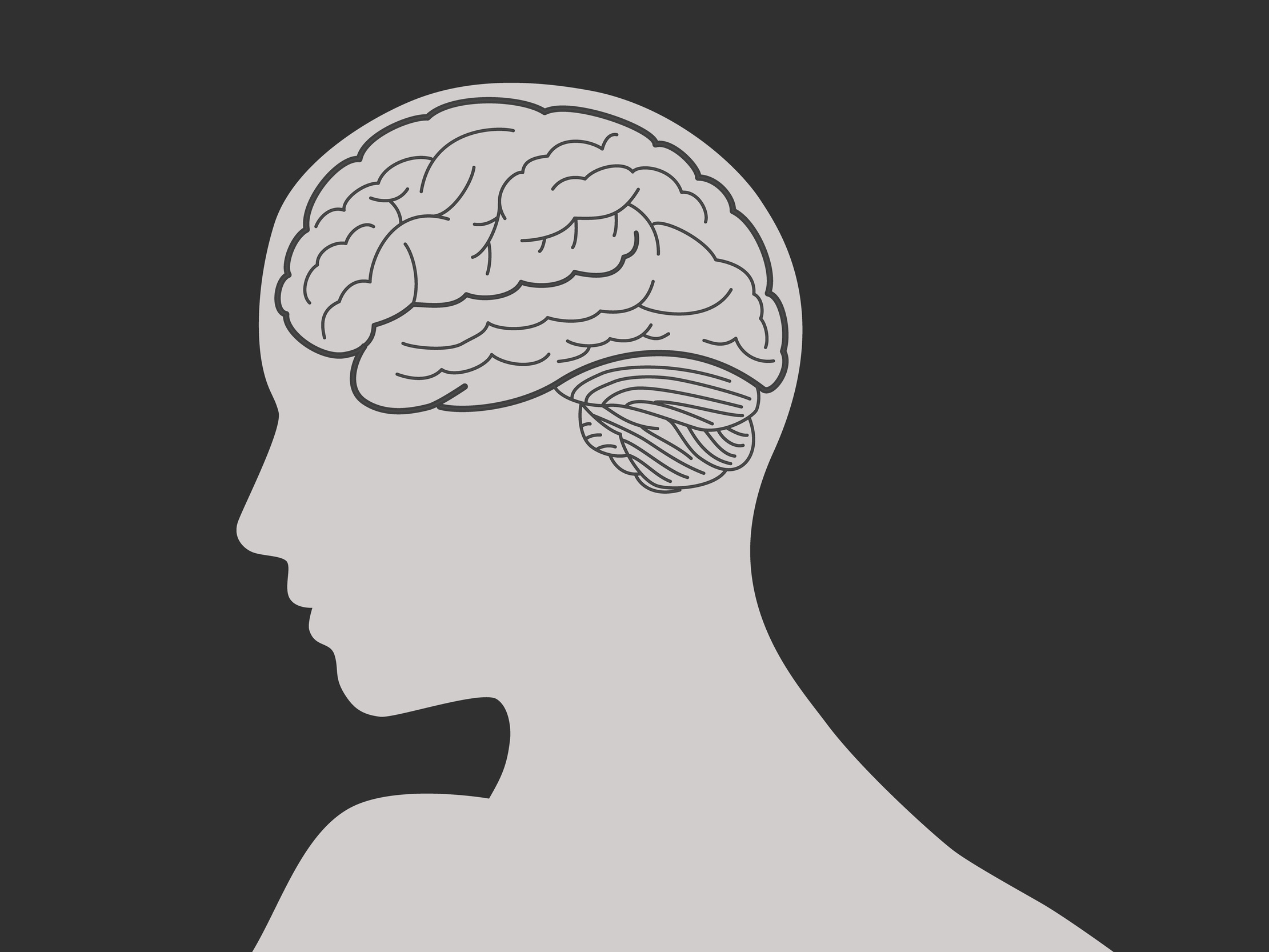
Mental health disorders are a leading cause of disability worldwide, affecting millions of individuals across all age groups and backgrounds. Conditions such as Depression, Anxiety disorders, and Schizophrenia are complex in nature and rarely arise from a single cause.
Health experts emphasize that mental disorders are typically the result of a combination of biological, psychological, and environmental factors.
Biological Factors
Biological influences play a significant role in the development of mental health conditions.
Genetics: A family history of mental illness can increase the likelihood of developing similar conditions. Certain genes may make individuals more vulnerable to disorders such as depression or schizophrenia.
Brain Chemistry: Imbalances in neurotransmitters chemicals that regulate mood and behavior can contribute to mental disorders. Disruptions in these chemicals may affect how the brain processes emotions and stress.
Hormonal Changes: Fluctuations in hormones, particularly during puberty, pregnancy, or menopause, can influence mental health and trigger symptoms in some individuals.
Psychological Factors
Psychological experiences and emotional patterns also contribute significantly.
Trauma and Abuse: Exposure to traumatic events, including physical or emotional abuse, can have long-term effects on mental well-being.
Chronic Stress: Prolonged stress from work, relationships, or financial difficulties can overwhelm coping mechanisms and increase the risk of mental illness.
Negative Thought Patterns: Persistent pessimism, low self-esteem, and difficulty managing emotions may predispose individuals to conditions such as anxiety and depression.
Environmental and Social Factors
External conditions and life circumstances are critical in shaping mental health outcomes.
Socioeconomic Challenges: Poverty, unemployment, and lack of access to education or healthcare can increase vulnerability to mental disorders.
Substance Abuse: The use of alcohol or drugs can alter brain function and trigger or worsen mental health conditions.
Social Isolation: Limited social support or feelings of loneliness can contribute to the onset or progression of mental illness.
Cultural and Community Influences: Stigma, discrimination, and lack of awareness in some communities may prevent individuals from seeking help, worsening their condition.
Early Life Experiences
Experiences during childhood can have lasting effects on mental health.
Adverse childhood experiences, such as neglect, loss of a parent, or unstable home environments, are strongly linked to a higher risk of developing mental disorders later in life.
Medical Conditions and Physical Health
Certain physical health conditions can also impact mental well-being.
Chronic illnesses, brain injuries, and neurological disorders may contribute to changes in mood, behavior, and cognitive function. Additionally, some medications can have side effects that affect mental health.
The Interplay of Multiple Factors
Experts stress that mental disorders rarely result from a single cause. Instead, they emerge from the interaction of multiple risk factors. For example, a person with a genetic predisposition may develop a disorder only after experiencing significant stress or trauma.
Importance of Early Intervention
Understanding the causes of mental disorders is essential for prevention and treatment. Early identification of risk factors can help individuals seek timely support and reduce the severity of symptoms.
Conclusion
Mental disorders are complex conditions influenced by a wide range of factors, including biology, psychology, environment, and life experiences. Recognizing these causes is a crucial step toward reducing stigma, improving access to care, and promoting mental well-being.
Health experts continue to emphasize that mental health is just as important as physical health, and addressing its root causes is key to building healthier individuals and communities.