


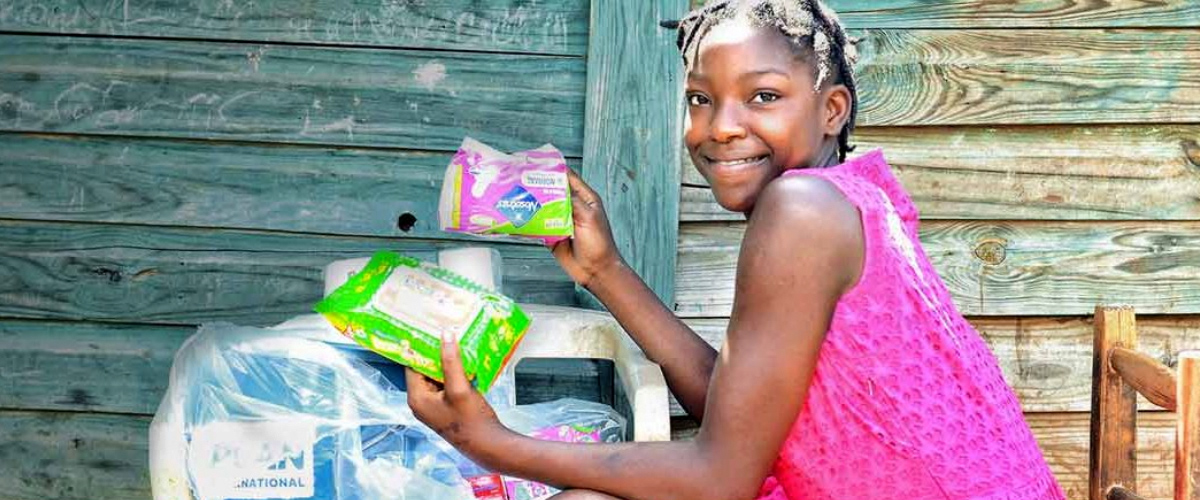
The onset of menstruation commonly known as a girl’s first period marks a significant stage in adolescent development, signaling the beginning of puberty and reproductive maturity. While most girls experience this transition between the ages of 12 and 14, others may begin later, often due to hormonal differences or delayed development.
Beyond its biological significance, health experts describe the first menstrual cycle as a critical emotional and psychological milestone. For many adolescents, the experience can be confusing or overwhelming, particularly in the absence of prior education or guidance.
In numerous communities, menstruation remains a sensitive or stigmatized topic, leaving many girls unprepared when their first period occurs. The unexpected sight of blood can trigger fear and anxiety, especially when there has been little or no discussion about what to expect. Experts warn that when menstruation is treated as a taboo rather than a natural process, it can lead to feelings of shame, isolation, and emotional distress.
Physically, the beginning of menstruation may be accompanied by a range of symptoms, including abdominal cramps, headaches, back pain, fatigue, and general discomfort. While some girls experience mild symptoms, others may face more intense pain. The inability to distinguish between normal and abnormal symptoms can further heighten anxiety among first-time menstruators.
Hormonal changes during this period can also affect emotional well-being. Mood swings, irritability, sadness, and unusual cravings are commonly reported, often leaving adolescents unsure of how to manage these changes.

Health professionals emphasize that parental support particularly from mothers and female guardians plays a vital role in shaping a girl’s first experience of menstruation. Open, age-appropriate conversations before the onset of menstruation can significantly reduce fear and confusion. Providing clear explanations about the process, its purpose, and what to expect helps build confidence and preparedness.
Practical guidance is equally important. Teaching proper hygiene practices, the use of sanitary products, and ways to manage discomfort can help girls navigate the experience more comfortably. Creating a safe and supportive environment where questions can be asked freely is also essential in fostering trust and self-assurance.
However, not all girls receive adequate guidance at home. In some cases, cultural beliefs or discomfort around the subject prevent open discussions, leaving adolescents to face the experience alone. Experts caution that such gaps in support can negatively impact a girl’s self-esteem and emotional health.
In the absence of parental guidance, alternative support systems including teachers, healthcare providers, school counselors, and trusted relatives can play a crucial role in providing accurate information and reassurance.
Specialists stress that menstruation should be approached as a normal and healthy part of development. With proper education, awareness, and support, a girl’s first period can be a positive and empowering experience. Without it, however, it risks becoming a source of unnecessary fear and confusion.
They conclude that parents, educators, and communities all share a responsibility to ensure that every girl is informed, supported, and confident as she navigates this important stage of life.



 and then