


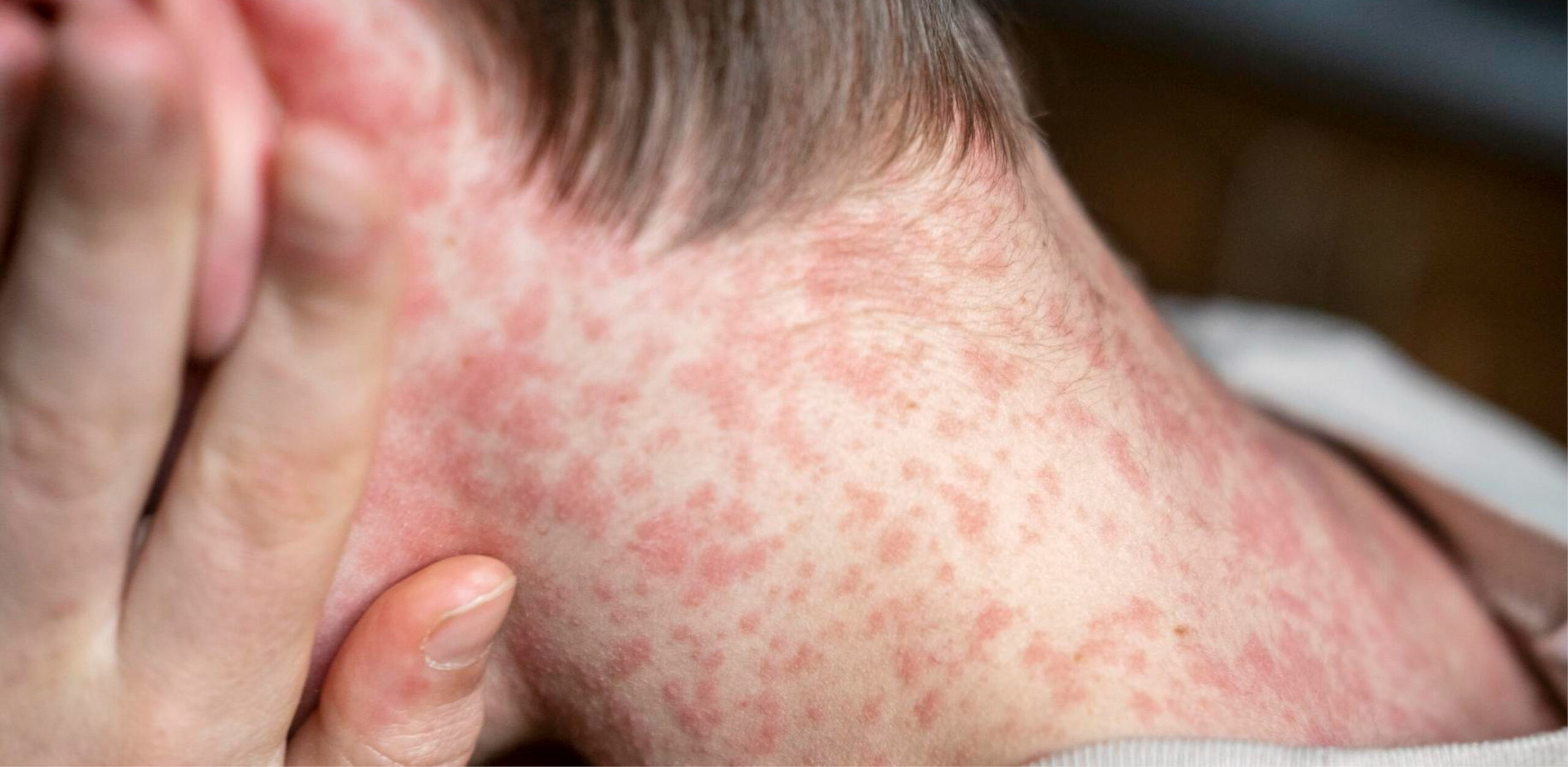
Nigeria commenced one of its largest immunisation drives in October 2025, targeting approximately 106 million children in a nationwide effort to curb the spread of vaccine-preventable diseases, including measles, rubella, and polio.
The campaign integrates multiple vaccines with essential child health services to ensure efficient and widespread delivery. Children aged 0 to 14 years are being vaccinated against Measles and Rubella, while those under five are receiving protection against Polio.
The rollout is being implemented in two phases. The first phase began on October 6, 2025, covering 19 northern states and Oyo State in the southwest. The second phase commenced in January 2026, extending the campaign to the remaining southern states.
To maximise coverage, health workers are deploying a combination of fixed vaccination posts, outreach centres, and house-to-house teams, ensuring that even hard-to-reach and underserved communities are included.
The initiative is part of a broader response to ongoing outbreaks, including variant poliovirus type 2, as well as persistent cases of measles and rubella. Nigerian authorities are also coordinating efforts with neighbouring countries such as Cameroon, Central African Republic, Chad, and Niger through a cross-border strategy aimed at halting transmission by 2025 and eliminating risks by 2026.
Health officials stress the urgency of the campaign, noting that measles remains one of the most contagious viral diseases, capable of causing severe complications such as pneumonia, brain inflammation, and death. Rubella, while often mild in children, poses serious risks to pregnant women, potentially leading to Congenital Rubella Syndrome in newborns, which can result in blindness, deafness, and heart abnormalities.
Authorities have outlined several key components of the campaign aimed at improving child health outcomes. In addition to mass vaccination, the programme is providing routine immunisation services for children aged 0–23 months to ensure they receive all recommended vaccines. Adolescent girls aged nine are also being offered the Human Papillomavirus Vaccine to protect against cervical cancer.
Community engagement remains central to the campaign’s strategy. Traditional and religious leaders, alongside local organisations, are actively involved in mobilising caregivers and addressing vaccine hesitancy and misinformation.
The federal government is working in partnership with global health organisations, including the World Health Organization, UNICEF, and Gavi, to ensure the success and sustainability of the initiative.
Vaccination services are being delivered through multiple channels, including health facilities, schools, religious centres, and other public locations. Officials have also assured that children who miss the campaign can still access vaccines at designated health centres.
Beyond immunisation, the programme incorporates additional health interventions such as treatment for neglected tropical diseases and seasonal malaria prevention, aligning with Nigeria’s broader primary healthcare strengthening strategy.
Public health experts emphasise that widespread participation is critical to achieving the campaign’s goals. They reiterate that vaccines used in the programme are safe, effective, and provided free of charge, with only mild and temporary side effects such as fever or rash in some cases.
As Nigeria intensifies efforts to protect its children, authorities are urging parents and guardians to take full advantage of the initiative, noting that preventing diseases like measles, rubella, and polio is essential to reducing child mortality and securing a healthier future for the next generation.

