


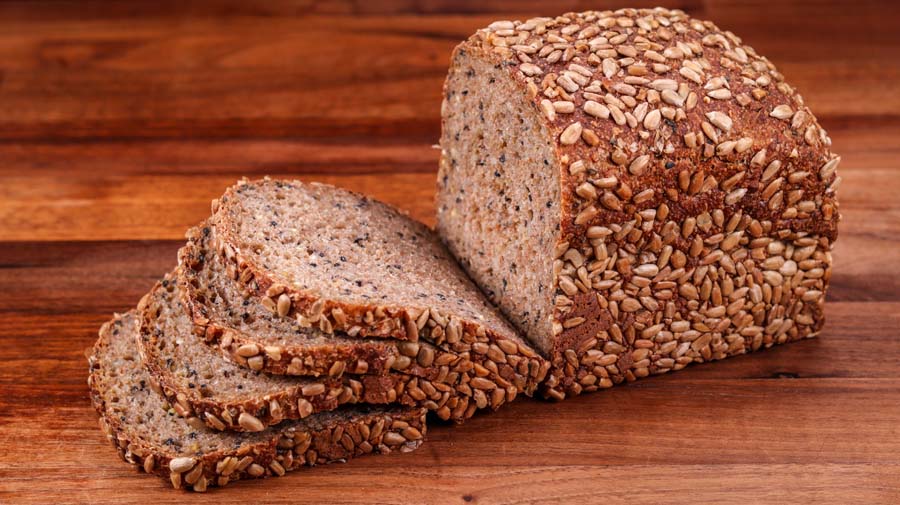
Whole grain bread has long been promoted as a healthier alternative to white bread, with marketing campaigns highlighting its fiber content and nutritional value. However, emerging discussions among nutrition experts suggest that some of these claims may be overstated, particularly when it comes to blood sugar response and overall health benefits.
While whole grain products are generally associated with better dietary outcomes, the extent of their advantage especially in highly processed forms like commercial bread remains a subject of ongoing debate.
Blood sugar response under review
One of the key concerns raised by analysts is the effect of whole grain bread on blood glucose levels. Due to the milling process, whole grain flour often consists of finely ground particles with a large surface area. This can allow the body to break down starches quickly, leading to rapid glucose absorption.

Some studies indicate that certain whole grain breads may produce blood sugar responses comparable to, or in some cases higher than, white bread. However, experts caution that results can vary depending on factors such as ingredient composition, processing methods, and individual metabolism.
Fiber content and digestive benefits
Whole grain bread is frequently marketed as a rich source of dietary fiber, which supports digestion and overall health. Yet, nutritionists note that the actual fiber content in many commercially produced loaves may be lower than consumers expect.
Processing methods can fragment the grain’s bran component the primary source of fiber potentially reducing its effectiveness. As a result, while whole grain bread can contribute to daily fiber intake, it may not provide sufficient quantities on its own to meet recommended dietary needs.
Nutrient retention and processing challenges
The industrial production of bread involves milling and high-temperature baking, processes that may reduce levels of certain heat-sensitive nutrients found in whole grains. Although some products are enriched with added vitamins and minerals, these may not fully replicate the nutritional complexity of naturally occurring compounds.
Experts emphasize that not all whole grain products are equal, and the degree of processing plays a significant role in determining their final nutritional value.
Hidden sugars and ingredient transparency
Another area of concern is the presence of added sugars in some whole grain bread products. Manufacturers may include sweeteners to improve taste, particularly in loaves made with higher grain content.
This can contribute to increased calorie intake and may influence blood sugar levels, potentially offsetting some of the perceived health benefits. Nutrition professionals advise consumers to carefully review ingredient labels to better understand what they are consuming.
Market influence and consumer perception
Industry marketing has played a major role in shaping public perception of whole grain bread as a superior option. While many products do offer benefits compared to refined alternatives, experts warn that branding and health claims can sometimes overshadow important nutritional nuances.
They recommend a more informed approach to food choices, encouraging consumers to look beyond labels and consider overall dietary patterns.
Alternative approaches to whole grains
For those seeking the full benefits of whole grains, nutritionists suggest incorporating less processed options such as brown rice, oats, and other intact grains into meals. These foods retain more of their natural structure and nutrients, and may have a more moderate impact on blood sugar levels.
Additionally, certain preparation methods such as fermentation or sprouting can enhance nutrient availability and improve digestibility. For example, sourdough bread made through traditional fermentation processes may offer a different metabolic response compared to standard commercial loaves.
A balanced perspective
Health experts stress that whole grain bread can still be part of a balanced diet, but should not be relied upon as a sole indicator of healthy eating. Instead, a varied diet rich in minimally processed foods is recommended for optimal nutrition and long-term wellbeing.
As research continues, consumers are encouraged to remain mindful of both the benefits and limitations of widely marketed “healthy” food products.




