



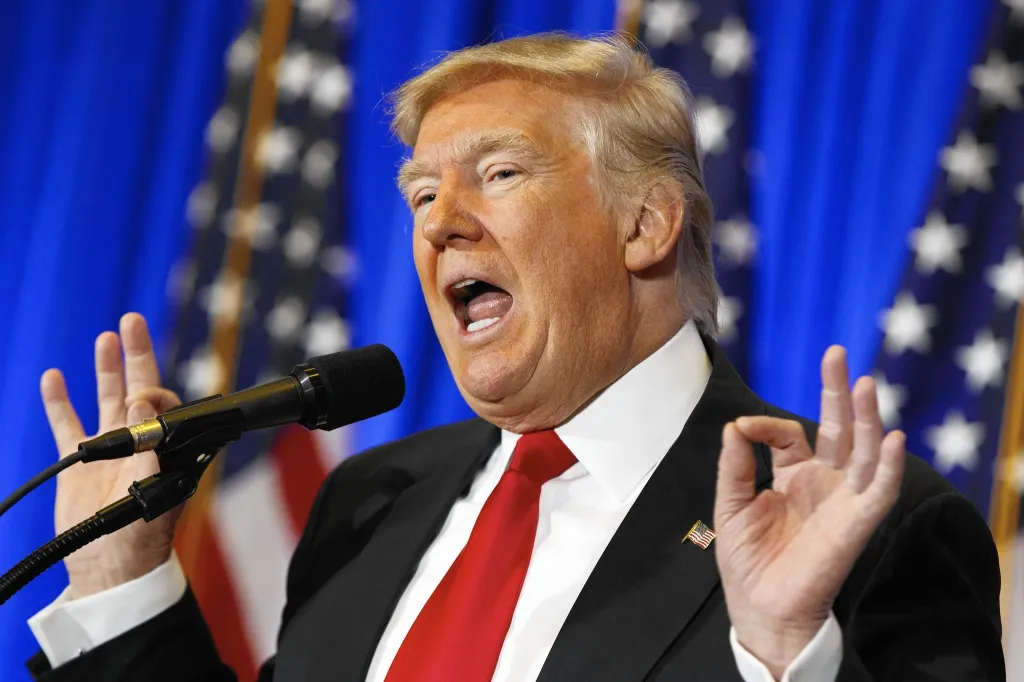
A new Reuters/Ipsos poll shows most Americans are holding President Donald Trump responsible for the recent spike in gas prices a development that could create serious political pressure for his party ahead of the November midterm elections.
According to the survey, about 77% of registered voters say Trump bears at least some responsibility for the rising cost of fuel. The sentiment cuts across party lines, with more than half of Republican voters, along with a large majority of independents and Democrats, pointing fingers at the president.
The surge in fuel prices is largely tied to the ongoing conflict with Iran, which has disrupted global oil supplies. Since the fighting began, gasoline prices in the U.S. have climbed to around $4 per gallon roughly a dollar higher than before the war.
The rising costs are not just hitting wallets; they are also shaping political attitudes.

Nearly six in ten voters say they would be less likely to support candidates who back Trump’s approach to the Iran conflict. Even among Republicans, some voters are beginning to show concern.
Behind the numbers is a broader sense of frustration. Many Americans say the cost of living is becoming harder to manage, with fuel prices standing out as a major worry.
More than three-quarters of those surveyed described it as a serious concern, and most expect prices to keep rising over the next year.
That growing anxiety is starting to chip away at one of the Republican Party’s traditional strengths the economy.
The poll shows the gap between Republicans and Democrats on economic trust has narrowed significantly, compared to the early days of Trump’s second term.
Despite the White House maintaining that the economy is performing well, many voters are not convinced. A strong majority disagrees with claims that the economy is “booming,” while concerns about inflation remain widespread.
For Republicans, the timing is far from ideal. With midterm elections approaching, the combination of rising costs and voter dissatisfaction could make it harder to hold on to their current advantage in Congress.




