


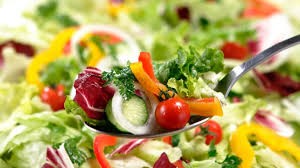
A large salad often seen as the symbol of clean eating may not be as beneficial for digestion as many believe. In some cases, nutrition experts suggest that heavy consumption of raw vegetables could be contributing to bloating, gas, and digestive discomfort especially in individuals with sensitive gut systems.
While salads are widely promoted as a cornerstone of healthy eating, emerging dietary insights indicate that the way raw vegetables are consumed and in what quantity can significantly influence digestive comfort.
Raw fiber and digestive strain
Raw vegetables contain high levels of insoluble fiber, which is significantly more difficult for the body to break down compared to cooked alternatives. For some individuals, particularly those with sensitive digestion or conditions such as IBS, this can place additional strain on the digestive system.

During digestion, undigested fiber is fermented by gut bacteria, a process that naturally produces gas. This can lead to bloating and abdominal discomfort, which is often mistakenly attributed to salad dressings or other meal components.
Cooking vegetables softens their structure by breaking down cell walls, making nutrients more accessible and easier for the digestive system to process. As a result, cooked vegetables are often better tolerated than large servings of raw produce.
Portion size and digestive overload
A typical restaurant or meal-prep salad can contain several cups of raw vegetables—an amount far greater than what many people would consume if those vegetables were cooked.
Experts note that this sudden, high-volume intake of fiber can overwhelm the digestive system. When the gut is unable to efficiently break down the load, fermentation increases, leading to gas production and bloating.
FODMAP sensitivity and common salad ingredients
Many ingredients commonly found in salads such as onions, garlic, mushrooms, and certain vegetables are high in FODMAPs, a group of fermentable carbohydrates known to trigger digestive symptoms in sensitive individuals.
When multiple high-FODMAP foods are combined in a single meal, the likelihood of bloating and discomfort increases, even in otherwise healthy diets.
Meal balance and digestion efficiency
Nutrition specialists also emphasize the importance of balanced meals. Large salads that lack adequate protein or healthy fats may slow digestion further, allowing more time for fermentation in the gut.
Including moderate amounts of protein or fat can help stabilize digestion, but extremely large raw-vegetable portions may still cause discomfort in some individuals.
Age-related changes in digestion
Digestive efficiency naturally declines with age, including reductions in stomach acid production and enzyme activity. This means foods that were once well tolerated may later cause bloating or discomfort, even if dietary habits remain unchanged.
Rethinking vegetable intake
Rather than relying heavily on large raw salads, experts suggest a more balanced approach that includes both cooked and raw vegetables in moderate portions. Cooking methods such as steaming or roasting can improve digestibility while still preserving nutritional value.
Simple adjustments may also help improve comfort, including eating more slowly, chewing thoroughly, and observing how the body responds to different vegetable preparations.
Ultimately, nutrition experts advise individuals to pay attention to their own digestive responses. If large raw salads consistently lead to bloating or discomfort, alternative preparation methods may offer a more suitable and sustainable approach to healthy eating.




