


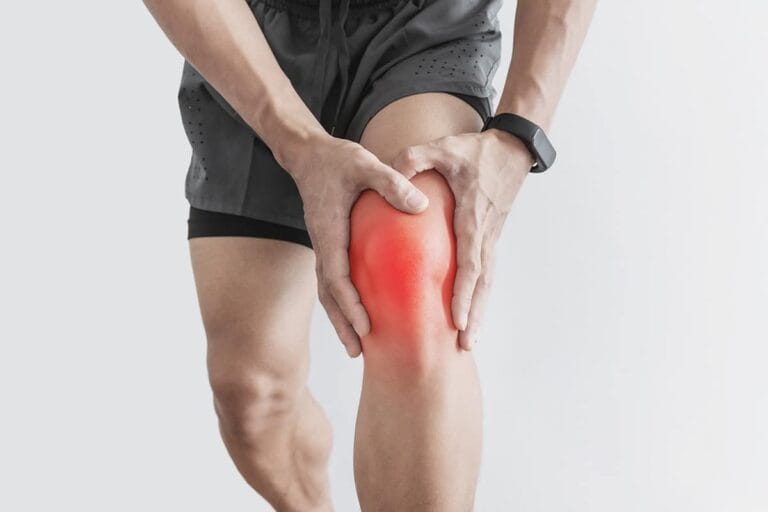
Knee pain is common, but not all discomfort should be considered normal. Some patterns of pain indicate serious underlying issues that worsen if left untreated. Recognizing warning signs early is crucial to prevent permanent damage.
Pain That Worsens Despite Rest
Typical knee pain from overuse or minor injury usually improves with rest, ice, elevation, and compression. If pain persists for weeks or intensifies despite these measures, it may indicate damage beyond simple inflammation. Professional evaluation and imaging are necessary to identify the underlying problem.
Persistent or Unexplained Swelling
Swelling after an injury is normal, but it should gradually decrease. Swelling that persists, increases, or appears unpredictably may signal internal damage, ongoing inflammation, or joint instability, requiring medical assessment.
Radiating Pain Suggests Nerve Involvement
Pain that spreads from the knee down the leg or up into the thigh may indicate nerve compression or irritation. Symptoms like sharp, burning, or electrical sensations suggest the problem extends beyond the knee joint and warrants specialist evaluation.

Instability and Giving Way
A knee that buckles or feels unstable during normal movement can indicate ligament injury or cartilage damage. Repeated instability increases the risk of further injury and may signal structural damage needing urgent care.
Signs of Infection
Knee pain accompanied by redness, warmth, fever, or drainage may indicate infection. Joint infections require immediate medical attention to prevent permanent damage.
Sudden Severe Pain After Trauma
Intense pain immediately following an injury often points to ligament tears, meniscus damage, or fractures. These injuries do not resolve on their own and require prompt evaluation and treatment.
Key Takeaway
Persistent, worsening, radiating, or sudden knee pain especially with swelling, instability, or signs of infection should never be ignored. Early diagnosis and treatment can prevent long-term complications and improve recovery outcomes. Seeking medical care promptly can mean the difference between manageable injury and chronic knee problems.

